

Hello, I’m Lila Jiang, a China travel professional with over 5 years of experience. During these five years, I’ve traveled extensively around the world. Next, we’ll explore the history and cultural heritage of Shichahai. From ancient hutongs to imperial gardens, from traditional folk customs to modern leisure vibes, we’ll help you understand the hundreds-of-years story of this iconic water town in the heart of Beijing.
Introduction
Quick Facts: Shichahai (Xihai, Qianhai, Houhai)
Location: Xicheng District, Beijing, China (near the Forbidden City)
Built: Dating back to the Liao Dynasty (916–1125), flourished in the Ming and Qing Dynasties
Size: 34 hectares (water area), 146 hutongs around
Peak Season: April–October (spring and autumn); winter (ice activities)
Key Tip: No entrance ticket for the lake area | Book tickets in advance for Prince Gong’s Mansion
Best Time to Visit: 9:00 am (avoid crowds) or 6:00 pm (night view with lights)
Shichahai, meaning “Ten Temple Sea”, is a historic water town located in the northwest of the Forbidden City, central Beijing. Its history dates back over 1,000 years to the Liao Dynasty, serving as a royal garden in the Ming and Qing dynasties and a popular leisure place for emperors and nobles. Unlike the grandeur of the Forbidden City, Shichahai is a blend of natural scenery and folk culture, consisting of three connected lakes: Xihai (West Sea), Qianhai (Front Sea), and Houhai (Back Sea), surrounded by 146 ancient hutongs.
Over the centuries, Shichahai has witnessed the changes of Beijing, from imperial gardens to civilian residences, from quiet water towns to a vibrant cultural and leisure center. It is not only a witness to Beijing’s history but also a window to experience authentic old Beijing life—local elders practice tai chi by the lake, vendors sell traditional snacks in hutongs, and ancient courtyards hide stories of the past. As one of the best-preserved historic districts in Beijing, Shichahai is a must-visit for travelers who want to feel the real Beijing beyond the imperial palaces. It even attracts as many visitors as the Forbidden City on weekends and holidays, thanks to its unique charm of integrating history, culture and daily life.
Tickets & Opening Hours
Shichahai travel in 2026 is easy to plan—here’s all you need to know about tickets and opening hours for Shichahai and its surrounding attractions.
Tickets: The Shichahai lake area and hutongs are free of charge. Prince Gong’s Mansion (a key attraction in Shichahai): 40 RMB (~5.5 USD) peak season (April–October); 30 RMB (~4.2 USD) off-season (November–March). Free for kids under 1.4m. Must book tickets online 3 days in advance via the official WeChat mini-program “Prince Gong’s Mansion” or authorized platforms. No on-site ticket sales for Prince Gong’s Mansion.
Payment for tickets: Alipay, WeChat Pay, or international credit cards (Visa, Mastercard) on the official booking platform.
Opening Hours: Shichahai lake area and hutongs: 24 hours a day (free to visit at any time); Prince Gong’s Mansion: 8:30 am–5 pm (last entry 4 pm) April–October; 8:30 am–4:30 pm (last entry 3:30 pm) November–March. Closed every Monday (except public holidays and July–August). Ice rinks (Qianhai and Houhai) open from late December to late February: 8:00 am–17:00 pm (Qianhai ice rink extends to 21:00 pm with night view).
Note for international travelers: The official WeChat mini-program for Prince Gong’s Mansion supports English language—scan the QR code at the entrance if you need help with your booking. You can also change or cancel your ticket 24 hours before your visit via the official platform, with no cancellation fee. For audio guides of Shichahai’s attractions, you can search for “Ma Weidu” on Amap to listen to interesting cultural stories behind the scenery.
Main Attractions
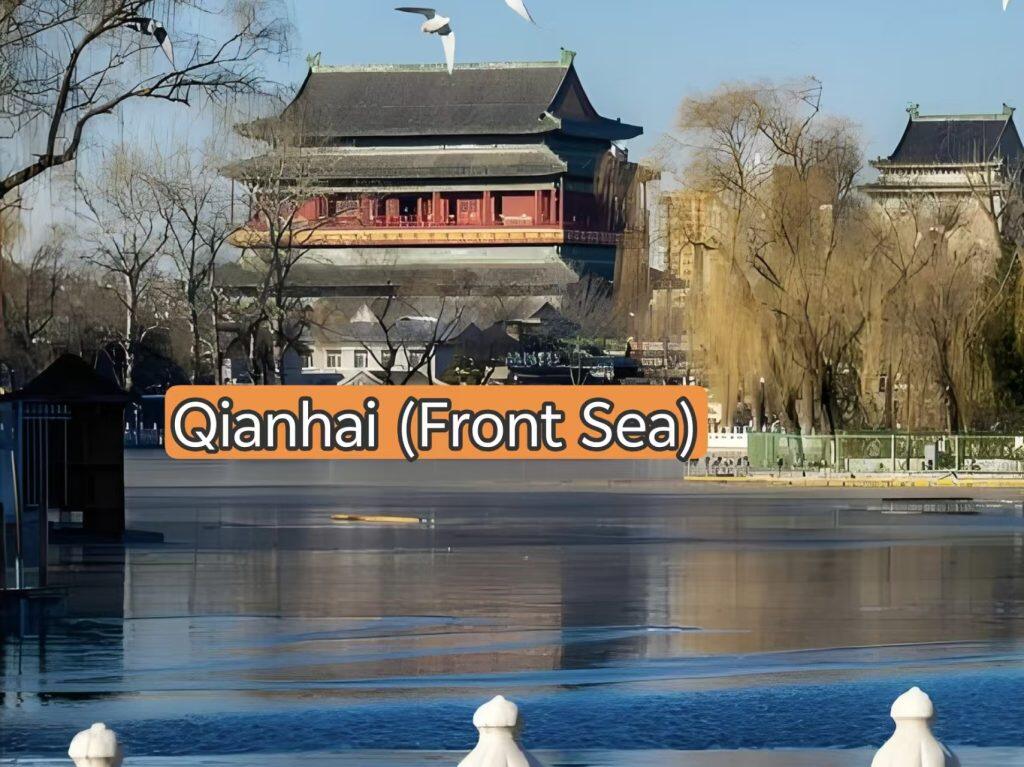
Qianhai (Front Sea)
The most lively part of Shichahai. Surrounded by bars, cafes, and traditional snack shops, it is a perfect blend of old and new Beijing. In summer, you can take a boat tour on the lake (pedal boats or rowing boats) to enjoy the cool breeze; in winter, it turns into a large ice rink, offering ice skating, ice bikes, and other fun winter activities, which is part of the immersive winter feast in Shichahai alongside the Spring Festival Lotus Market. The lake is lined with willow trees, and the nearby hutongs are full of life, making it a great place to take photos and experience local customs.
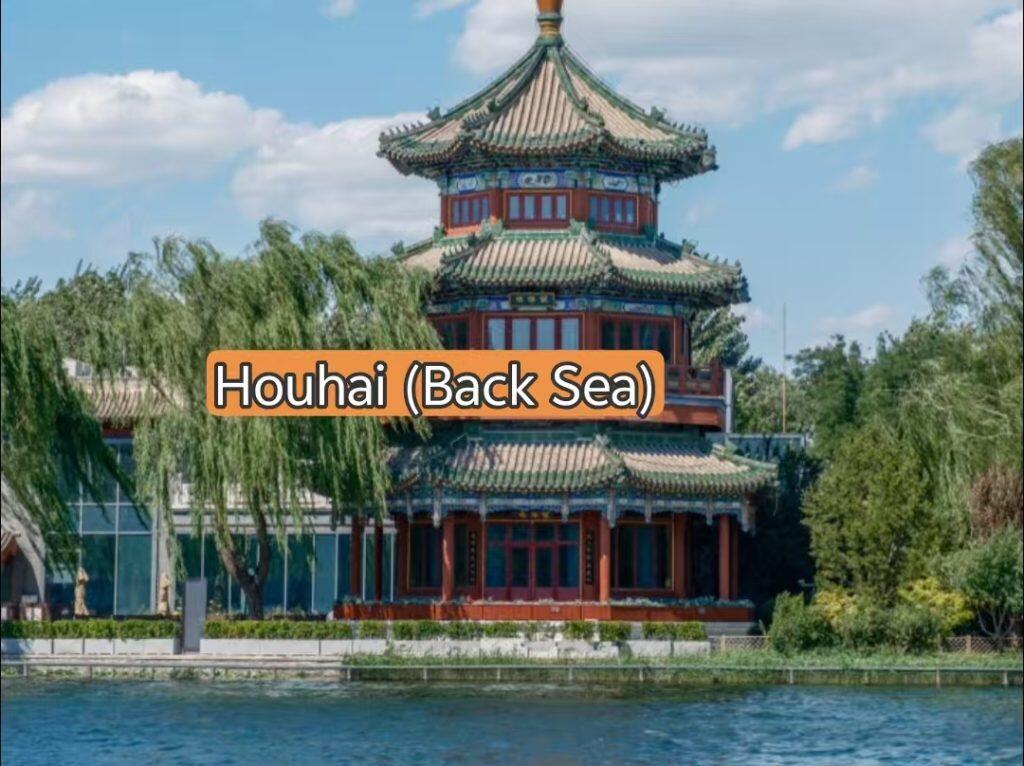
Houhai (Back Sea)
Quieter than Qianhai, Houhai is more suitable for a leisurely walk. It is surrounded by ancient courtyards, many of which were once residences of nobles and literati in the Qing Dynasty. The lake is clear, and you can see local people fishing by the bank in the morning. In the evening, the lights along the lake turn on, creating a romantic atmosphere—many visitors come here to enjoy the night view, listen to folk music in bars, and feel the relaxed vibe of Beijing.
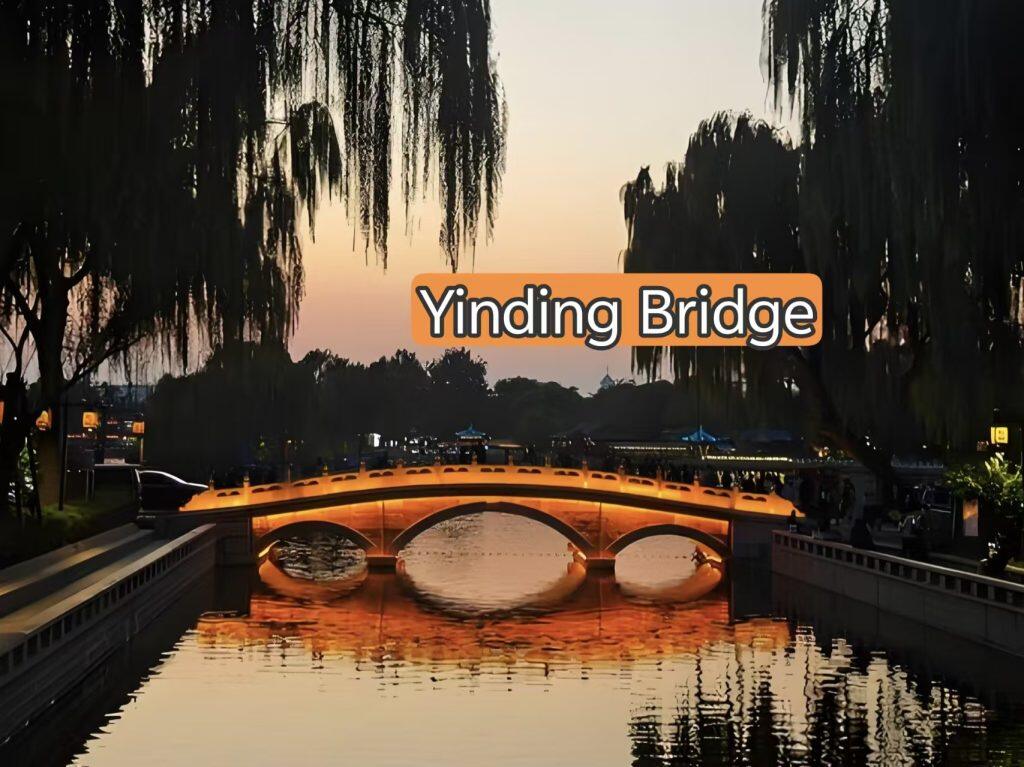
Yinding Bridge
The landmark of Shichahai, connecting Qianhai and Houhai. Built in the Ming Dynasty, the bridge is a stone arch bridge with a unique shape, resembling a silver ingot (hence the name “Yinding”, meaning silver ingot). Standing on the bridge, you can have a panoramic view of Qianhai and Houhai, and it is also a popular photo spot for visitors. In the past, it was a famous scenic spot where people could see the Western Hills from the bridge, known as “Yinding View of Hills”.
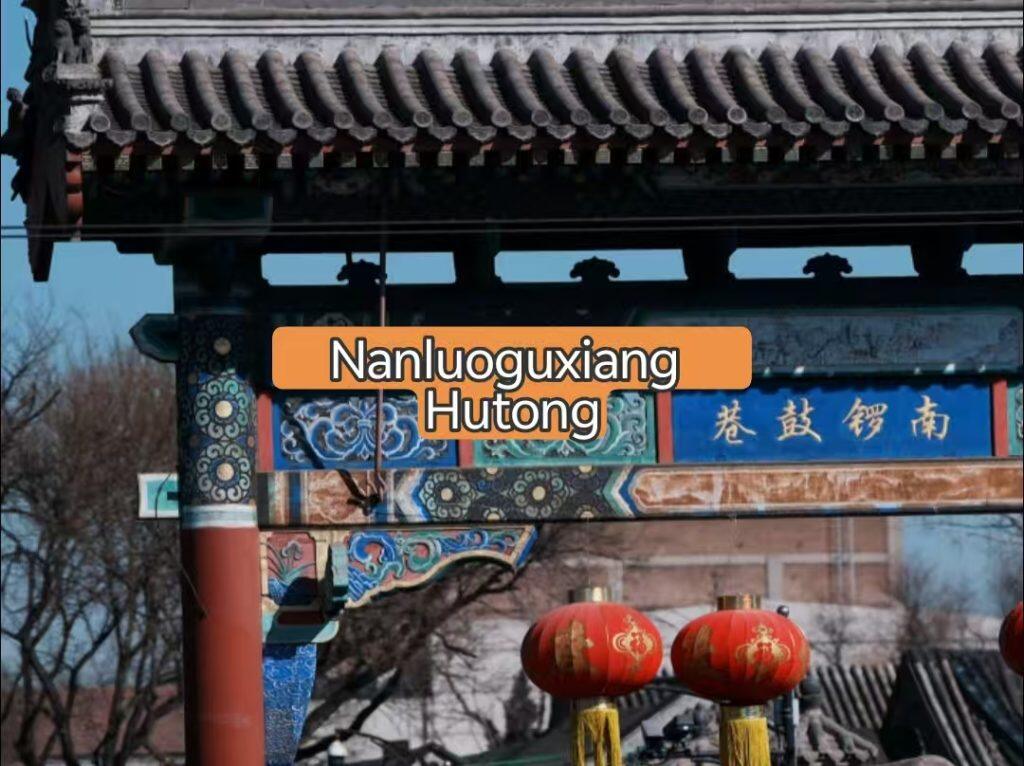
Nanluoguxiang Hutong
A famous hutong near Shichahai, stretching 800 meters long. It is lined with traditional courtyard houses, boutique shops, and snack stalls, selling everything from traditional handicrafts to modern cultural and creative products. It is a great place to experience old Beijing hutong culture—you can walk along the narrow lanes, visit small shops, and taste local snacks. The hutong also has many unique cafes and bars, attracting young people and foreign visitors.
Prince Gong’s Mansion
One of the best-preserved imperial mansions in Beijing, once the residence of He Shen (a famous minister in the Qing Dynasty) and later Prince Gong. The mansion covers an area of 60,000 square meters, with grand courtyards, beautiful gardens, and exquisite architectures. Inside the mansion, you can see ancient furniture, calligraphy and painting works, and cultural relics, which show the luxury of the Qing Dynasty nobles. The garden of the mansion, named “Jadeite Garden”, is a masterpiece of Chinese classical garden art, with rockeries, ponds, and pavilions.
Transportation
Figuring out how to get to Shichahai Beijing is easy with our guide—we break down the best Shichahai subway route, bus and taxi options.
🚇Subway: Take Line 6 to Beihai North Station (Exit B) or Line 8 to Shichahai Station (Exit A). Walk 5–10 minutes to the Qianhai area. This is the most convenient way to get to Shichahai.
🚌Bus: Buses 13, 42, 107, 111, 118 stop at Shichahai Station or Beihai North Station. Walk 3–5 minutes to the lake area.
🚕Taxi: Ask to go to “Shichahai Qianhai” or “Yinding Bridge”. It’s a well-known spot, so drivers in Beijing know it. Cost from downtown Beijing is around 20–40 RMB (~2.8–5.5 USD).
How to buy tickets on arrival: No entrance ticket for Shichahai lake area and hutongs. For Prince Gong’s Mansion, no on-site tickets—buy online before your trip via the official channels mentioned above.
If you take a taxi from Beijing Capital International Airport to Shichahai, the cost is around 80–100 RMB (≈11.1–13.9 USD) and takes 30–40 minutes. For Beijing Daxing International Airport, the taxi cost is about 160–180 RMB (≈22.2–25 USD) with a 1.2-hour drive.
Experience & Activities
Guided Tours:
English-speaking tours are available. Book online via travel platforms (e.g., Ctrip, Fliggy) 1–3 days in advance. The tour covers the main attractions of Shichahai, including Yinding Bridge, Prince Gong’s Mansion, and Nanluoguxiang Hutong, with professional guides telling stories of Shichahai’s history and culture.
Cost: 150–250 RMB (~20.8–34.7 USD) per group (1–6 people).
Audio Guides:
Rent at the entrance of Prince Gong’s Mansion for 30 RMB (~4.2 USD) with a passport. They have 30+ languages, including English. You can also listen to celebrity-guided audio tours on Amap, such as the one by Ma Weidu, which tells interesting anecdotes about Shichahai and other Beijing scenic spots in a vivid style.
Boat Tour & Ice Activities:
Boat tours are available from April to October. Pedal boats (6 people) cost 80 RMB per hour; rowing boats (4 people) cost 60 RMB per hour. From late December to late February, ice rinks in Qianhai and Houhai are open, offering ice skating (30 RMB per person) and ice bikes (50 RMB per hour). The Qianhai ice rink also has a night session with beautiful lake lights, creating a unique winter experience.
Traditional Folk Performances:
Held on weekends in the Qianhai area, including Peking Opera excerpts, folk music performances, and traditional dance shows. Free to watch; no need to book, but arrive early for a good seat. During the Spring Festival, the Qianhai Lotus Market is held with themed stalls selling New Year snacks, cultural and creative products, and intangible cultural heritage handicrafts, adding a strong festive atmosphere.
Practical Tips & Etiquette
No smoking, eating, or drinking in the ancient courtyards and cultural relic areas (only in designated areas). Don’t litter by the lake or in hutongs—keep the environment clean.
Respect local residents: Many hutongs in Shichahai are still residential areas. Keep quiet when walking through hutongs, don’t take photos of local residents without permission, and don’t disturb their daily life.
Wear comfortable shoes:you’ll walk 2–3 hours in hutongs and around the lake. In summer, bring sun protection and a small fan; in winter, keep warm, especially if you plan to go ice skating.
Beware of overpriced souvenirs and unofficial guides:Watch out for street vendors selling overpriced souvenirs—bargain if needed. Avoid “unofficial guides” at the site, as they may charge high fees or lead you to uninteresting spots.
Luggage and water convenience:Free lockers are available at the entrance of Prince Gong’s Mansion for large luggage (not allowed inside the mansion). Free drinking water stations are located near the lake and in the hutongs, so bring a reusable water bottle to save money.
Following these Shichahai etiquette rules is key to a smooth visit—these visiting Shichahai tips will make your trip more enjoyable.
Food
Inside Shichahai:
Small snack stalls and cafes around the lake sell traditional Beijing snacks and Western food. Try “Lao She Teahouse” near Yinding Bridge—you can drink Chinese tea and taste dim sum (30–50 RMB/~4.2–6.9 USD per person). Other snacks include sugar-fried chestnuts (15 RMB/~2.1 USD), candied hawthorns (10 RMB/~1.4 USD), and jianbing (Chinese crepe, 10 RMB/~1.4 USD). These snacks are regarded as “living fossils” of Beijing’s food culture, carrying the unique flavor of old Beijing.
Nearby (within 1km):
“Hao Yu Xiang (Shichahai Branch)”: Famous for Beijing hot pot (mutton hot pot). A meal for 2: ~200 RMB (~27.8 USD).
“Liubiju (Nanluoguxiang Branch)”: A time-honored brand selling traditional Beijing pastries, such as pea cake and osmanthus cake (10–20 RMB/~1.4–2.8 USD per piece).
Street food in Nanluoguxiang Hutong: Stinky tofu (15 RMB/~2.1 USD), fried buns (12 RMB/~1.7 USD), and milk tea with traditional flavors (20 RMB/~2.8 USD). These snacks cover Han, Hui and other styles, reflecting the diversity of Beijing’s food culture.
With this guide, you’ll know the best time to visit Shichahai Beijing and make the most of your old Beijing cultural experience.

Lila Jiang
She is Lila Jiang, a 28-year-old girl.
With over 10 years in the travel industry, she’s chased wanderlust near and far;
what she loves most is diving into local cultures,
finding hidden gems, and connecting with people who bring journeys to life.