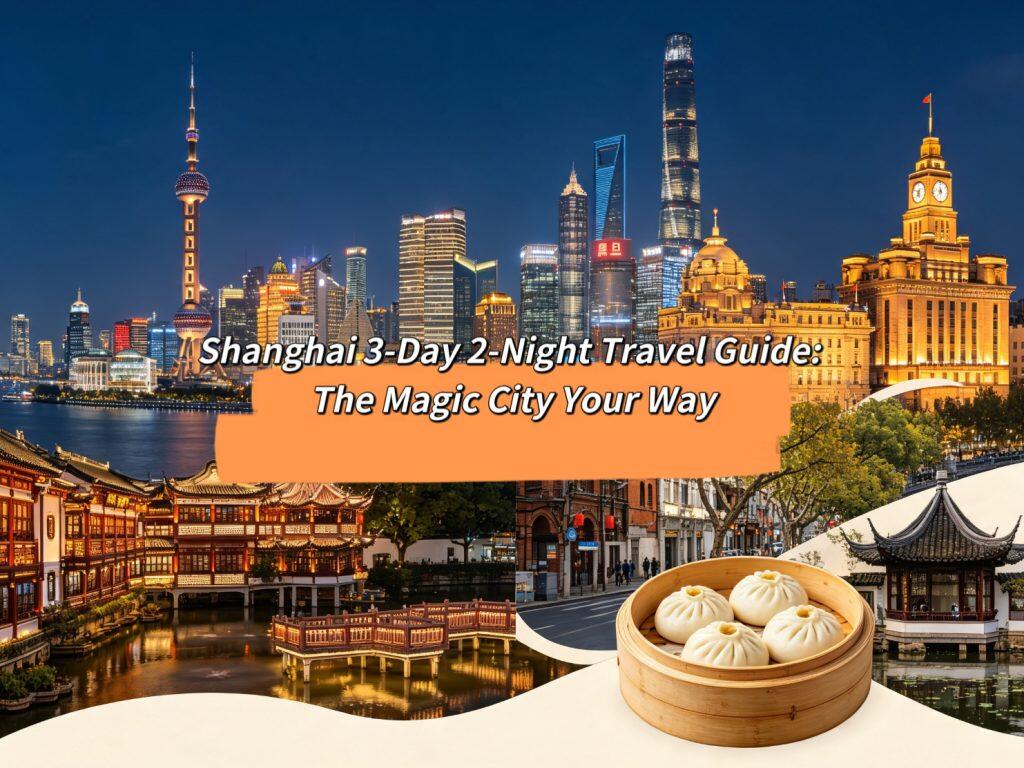
Hey everyone, Mike Wang here – your China travel insider with 20 years on the road. 🎒 Shanghai hits different. It’s not just a city – it’s a mood. One moment you’re walking past 1920s villas under a canopy of plane trees, the next you’re staring up at a skyline that looks like it’s from 3026. I’ve been showing travelers around China for two decades, and Shanghai still surprises me every single time. Let me help you crack the code on this dazzling, chaotic, utterly addictive city.
3‑Day 2‑Night Day‑by‑Day Itinerary
Day 1: Classic Shanghai – The Postcard View
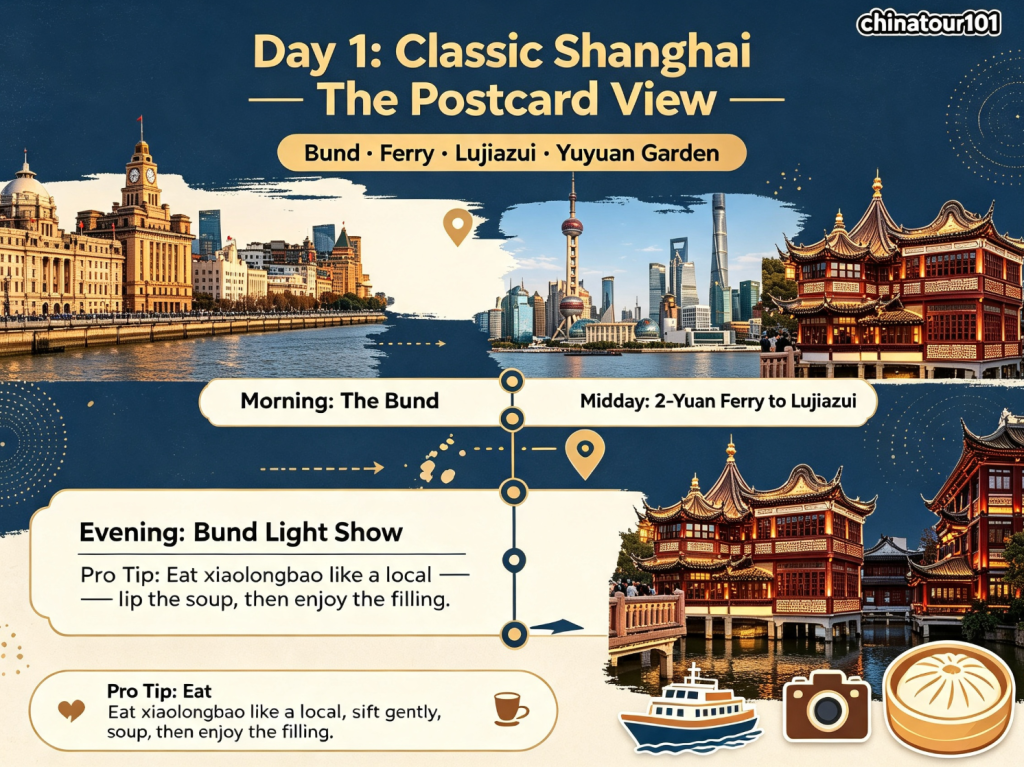
Start where every Shanghai story begins – the Bund. Grab your coffee, walk the riverside promenade, and let those Gothic and Art Deco facades tell you stories of old Shanghai. Then cross the river on the famous 2-yuan ferry – yes, two bucks for a front-row seat to the future. Step off in Lujiazui, home to the Shanghai Tower (China’s tallest, 632 meters), the Oriental Pearl, and the whole futuristic package.
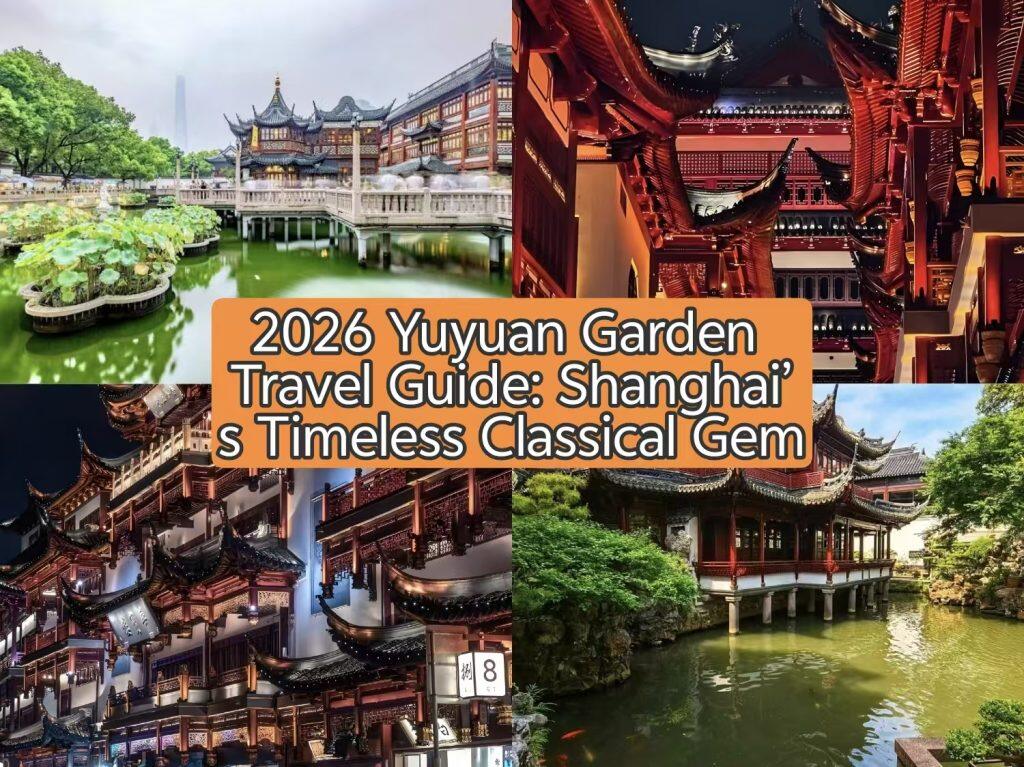
Afternoon: Dive into Yuyuan Garden – a classical Jiangnan gem with pavilions, rockeries, and the iconic Nine-Turn Bridge. Right next door, City God Temple buzzes with street food energy. Grab some soup dumplings (xiaolongbao) – Nanxiang Mantou Dian is the legend. Remember: gently lift, slowly move, open a window, then drink the soup.
Evening: Back to the Bund for the 7 PM light show. The buildings glow gold. The skyline shimmers. You’ll get it – why they call this the “Paris of the East.”
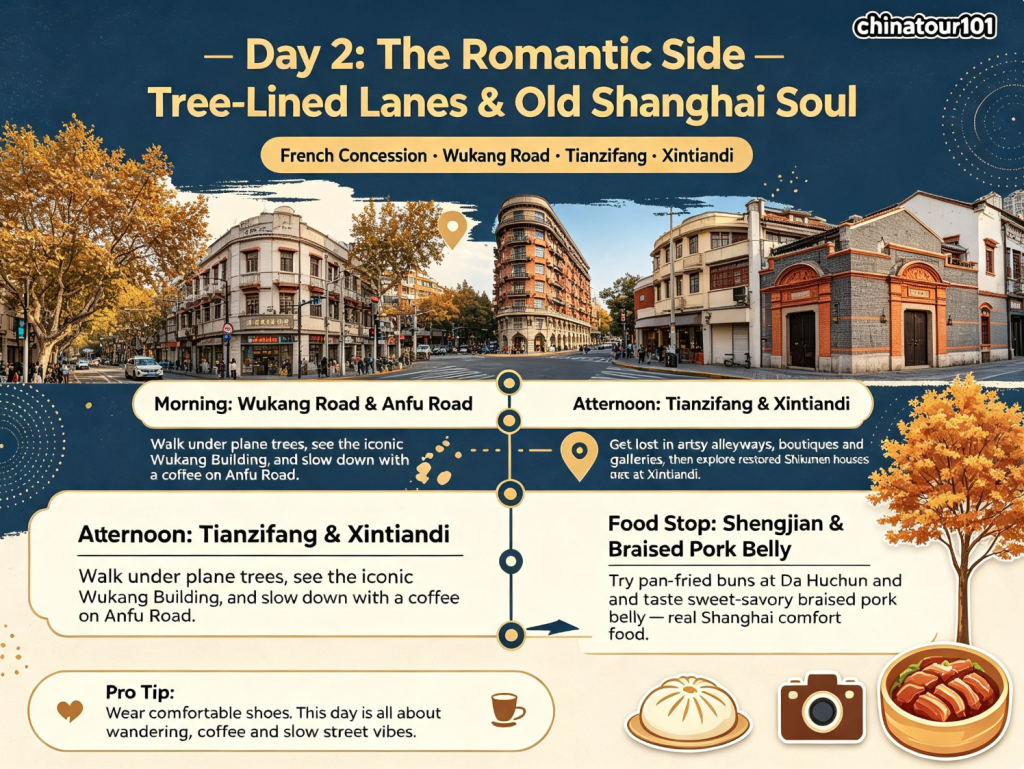
Day 2: The Romantic Side – Tree-Lined Lanes & Old Shanghai Soul
Today, we slow down. This is the Shanghai that locals love – the French Concession. Start at Wukang Road, where plane trees arch over elegant old villas. The Wukang Building – a triangular apartment block from the 1920s – is the most photographed spot in town. Grab a coffee, wander down Anfu Road, and just… exist. This is Citywalk at its finest.
Afternoon: Head to Tianzifang – a maze of artsy alleyways packed with boutiques, cafes, and hidden galleries. Then wander through Xintiandi, where restored Shikumen lane houses meet chic restaurants and bars.
Food stop: You can’t leave Shanghai without pan-fried buns (shengjian) – crispy bottoms, juicy fillings. Da Huchun is a local legend. And if you’re feeling adventurous, braised pork belly – melt-in-your-mouth, sweet and savory. That’s the real Shanghai flavor.
Day 3: Choose Your Own Adventure
Option A – Culture Fix:
Hit the Shanghai Museum (free entry, book 14 days in advance on their WeChat official account). The bronze collections and ancient calligraphy are world-class. Then stroll through People’s Square and soak in the city energy.
Option B – Escape the City:
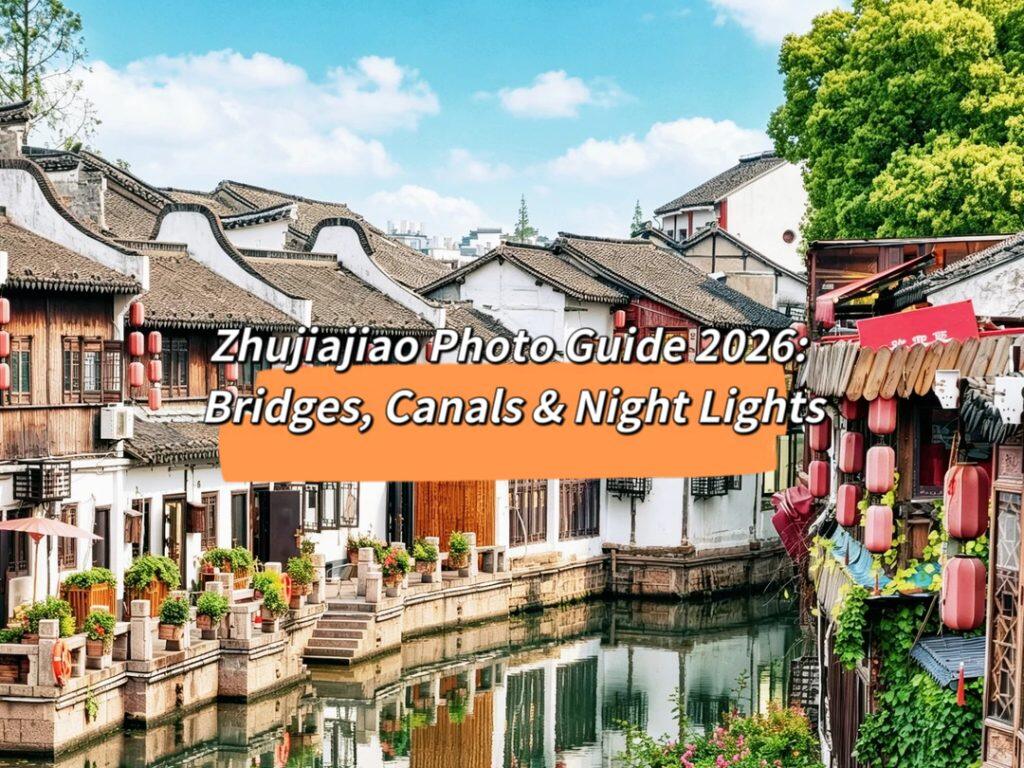
Take the metro to Zhujiajiao – a 1,700-year-old water town on the outskirts. Free entry, 30 yuan for a boat ride through ancient canals. Grab a bowl of “grandma’s rice dumplings” and enjoy the slow pace.
Option C – Disney Magic:
If you’re traveling with kids (or just a kid at heart), Shanghai Disneyland is a full-day adventure. Take Metro Line 11 to avoid traffic. Book tickets at least 10 days in advance.
Where to Stay
- People’s Square / East Nanjing Road – best for first-timers. Metro lines 1, 2, and 8 intersect here. Budget: 250-400 yuan; mid-range: 400-600 yuan
- Jing’an Temple / Huaihai Road – for the style-conscious. Surrounded by cafes, boutiques, and tree-lined streets
Practical Travel Hacks
- Metro is king. Download the Metro Daduhui app for QR-code entry. Or tap your Visa/Mastercard directly at the gate – now supported in most cities. A 3-day pass costs 45 yuan for unlimited rides.
- Book early – Shanghai Museum (14 days), Disneyland (10 days), Oriental Pearl Tower (3 days).
- Best Bund time – visit around dusk to catch both daylight and the 7 PM lighting show.
- Pack an umbrella – Shanghai showers can surprise you, especially in summer.
- Set up Alipay or WeChat Pay with your Visa/Mastercard before you fly – it makes everything easier.
Frequently Asked Questions – Your Shanghai Trip
Q:Do I need a visa to visit Shanghai?
A:Most Western passport holders can enjoy 144-hour visa-free transit if you’re flying through Shanghai to a third country (e.g., US → Shanghai → Tokyo). But if you’re entering and leaving from Shanghai, you’ll need a tourist visa – apply at least 2 weeks ahead. Check our website for the latest updates.
Q:Can I use my credit card or do I need cash?
A:Card payments work in big hotels and malls, but for street food, metro tickets, and that cute coffee shop? You’ll want Alipay or WeChat Pay. Good news: you can now link your international Visa/Mastercard to both apps. Bring some cash (500–1000 RMB) as a backup – ATMs are everywhere.
Q:Is English spoken everywhere?
A:Metro signs, museum labels, and major attractions have English. Young locals and service staff usually speak basic English – but don’t expect everyone to. Pro tip: download a translation app (like Baidu Translate) for menus and casual chats. A little “ni hao” (hello) and “xie xie” (thanks) go a long way!
Q:When is the best time to visit Shanghai?
A:Spring (March–May) and Autumn (September–November) are picture-perfect – mild temps, clear skies, and few rainy days. Summer (June–August) is hot and humid, with sudden afternoon showers. Winter (December–February) is chilly and damp, but the Bund looks magical with fewer crowds.
Q:How do I get from the airport to the city center?
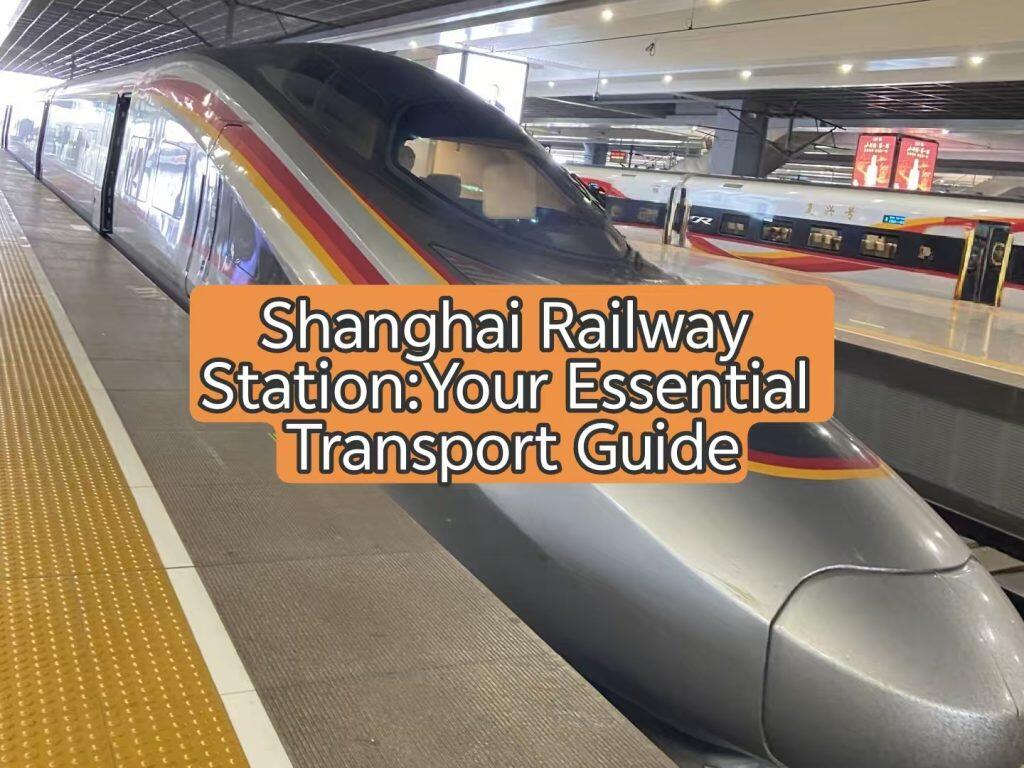
A:From Pudong Airport, take the Maglev – 431 km/h, 8 minutes to Longyang Road – then switch to Metro Line 2. Or take a taxi (about 150–200 RMB, 45–60 mins). From Hongqiao Airport, just hop on Metro Line 2 or 10 – it’s only 30 minutes to downtown.

Mike Wang
Mike Wang is a 40-something Chinese travel expert, has explored the world,
hosting numerous foreign visitors. He’s deeply interested in and knowledgeable
about ancient cultural architectures, enriching journeys with his insights.