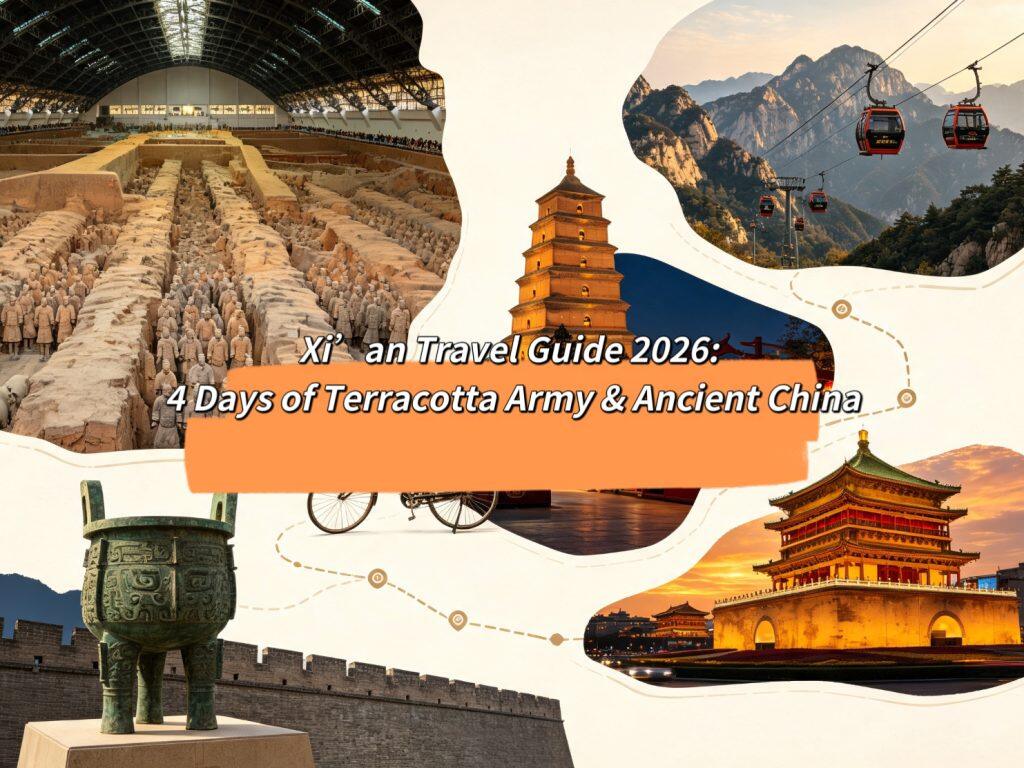
Hey everyone, Mike Wang here – your China travel insider with 20 years on the road. 🎒Some cities you visit. Xi‘an, you feel. This is where China’s story begins – the starting point of the Silk Road, the home of the Terracotta Army, and the ancient capital that saw 13 dynasties rise and fall. I‘ve been showing travelers around China for two decades, and Xi’an never fails to move me. Let me walk you through the perfect 4-day, 3-night journey into the heart of Chinese civilization.
Xi’an Travel Guide
Day 1: Arrival & The Ancient City Wall – First Impressions
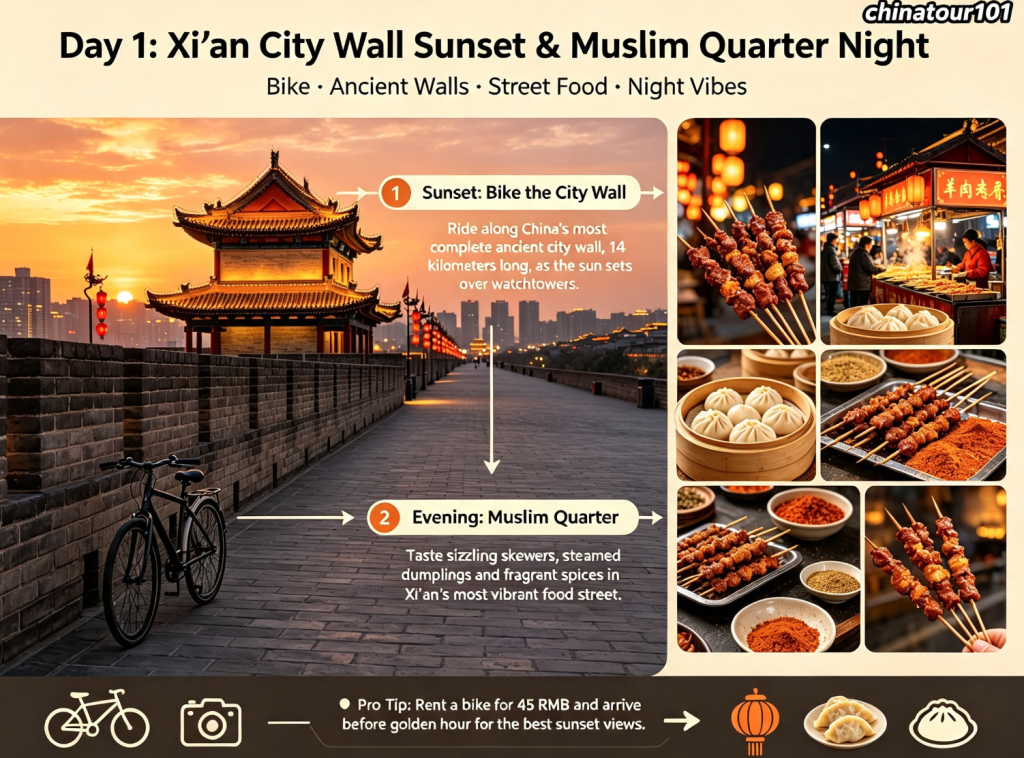
Start your Xi‘an story with a sunset bike ride on the City Wall – the most complete ancient city wall in China, stretching 14 kilometers. Rent a bike (45 RMB) and pedal along the top as the city below lights up. The golden hour here is pure magic – watch the sun dip behind ancient watchtowers while modern Xi’an hums beneath you.
Evening: Dive straight into Muslim Quarter – a sensory explosion of sizzling skewers, fragrant spices, and steaming dumplings. This is the heart of Xi‘an’s food scene, where Hui Muslim culture meets Shaanxi flavors.
What to eat tonight:
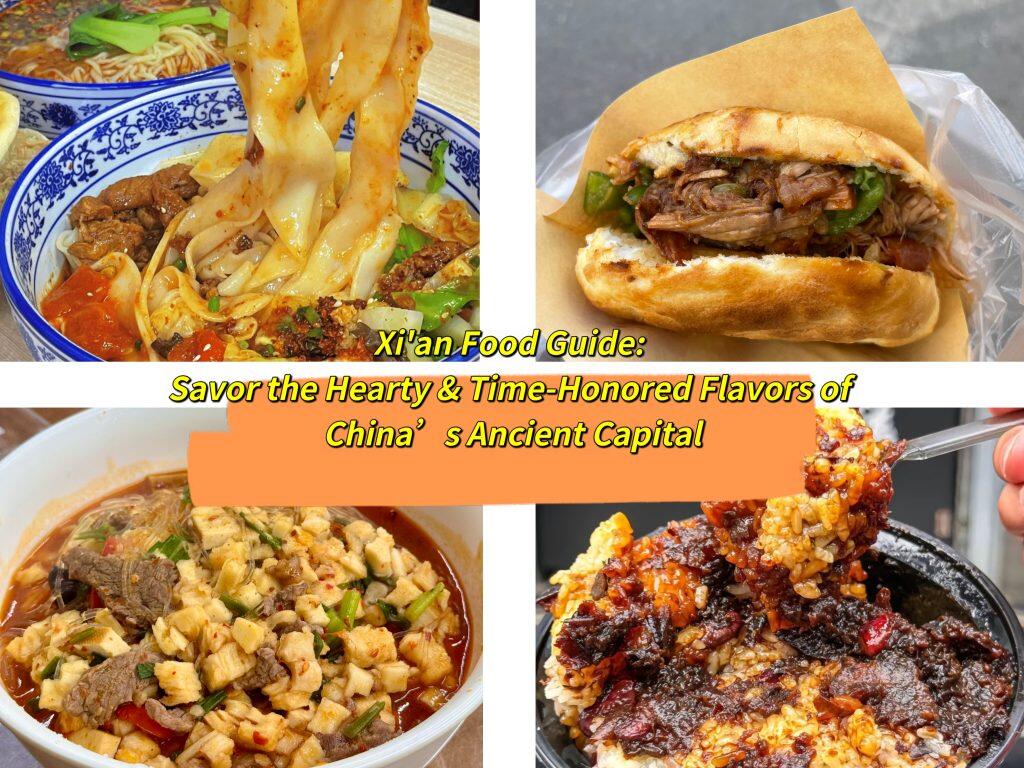
- Yangrou Paomo – tear your own flatbread into a lamb broth. It‘s interactive, soul-warming, and totally Xi’an
- Roujiamo – China‘s answer to the hamburger, stuffed with tender braised pork
- Liangpi – cold wheat noodles with chili oil, perfect for a warm evening
Pro tip: The Muslim Quarter gets crowded after 7 PM. Go early for street food, stay late for the atmosphere. And bring cash – some small stalls don‘t take cards.
Day 2: The Terracotta Army – Meet the Emperor’s Eternal Guard
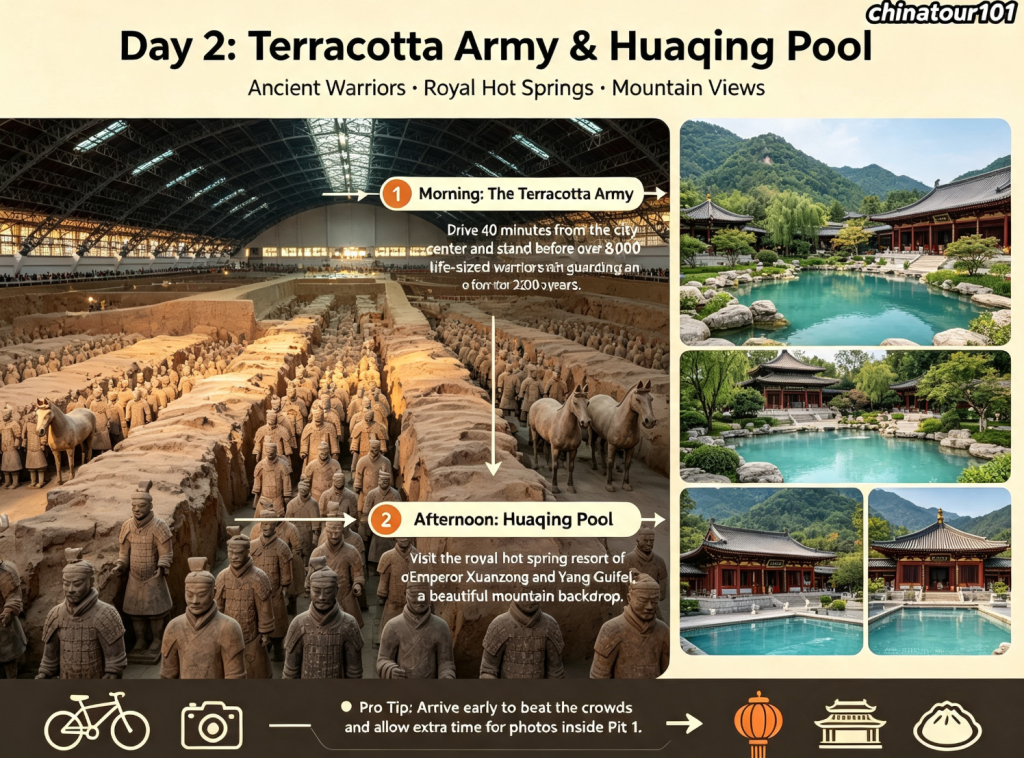
This is the day you came for. The Terracotta Army is a 40-minute drive from the city center – and trust me, no photo prepares you for the real thing. Three pits, over 8,000 life-sized warriors, each with a unique face, standing guard for 2,200 years. Pit 1 is the showstopper – rows upon rows of soldiers, horses, and chariots frozen in time.
How to get there:
- Tour bus – 30 RMB from Xi’an Railway Station, runs 7 AM to 7 PM
- Didi / taxi – about 120-150 RMB one way
- Metro Line 9 to Huaqing Pool, then bus – cheaper but takes longer
Pro tips for beating the crowds:
- Go first thing in the morning (8:30 AM opening) or after 2 PM
- Hire an official guide at the entrance (100 RMB) – the stories bring the warriors to life
- Don’t skip the bronze chariots in the Exhibition Hall – they‘re masterpieces of ancient engineering
Afternoon: On your way back, stop at Huaqing Pool – a royal hot spring resort where Emperor Xuanzong and his beloved concubine Yang Guifei once bathed. It’s also where the famous Xi‘an Incident took place in 1936. The gardens are lovely, and the mountain backdrop is stunning.
Pro tip: Book your Terracotta Army tickets online in advance – especially during peak seasons. The official WeChat mini-program is your best bet.
Day 3: The Heart of Xi’an – Big Wild Goose Pagoda, Shaanxi Museum & Ancient Streets
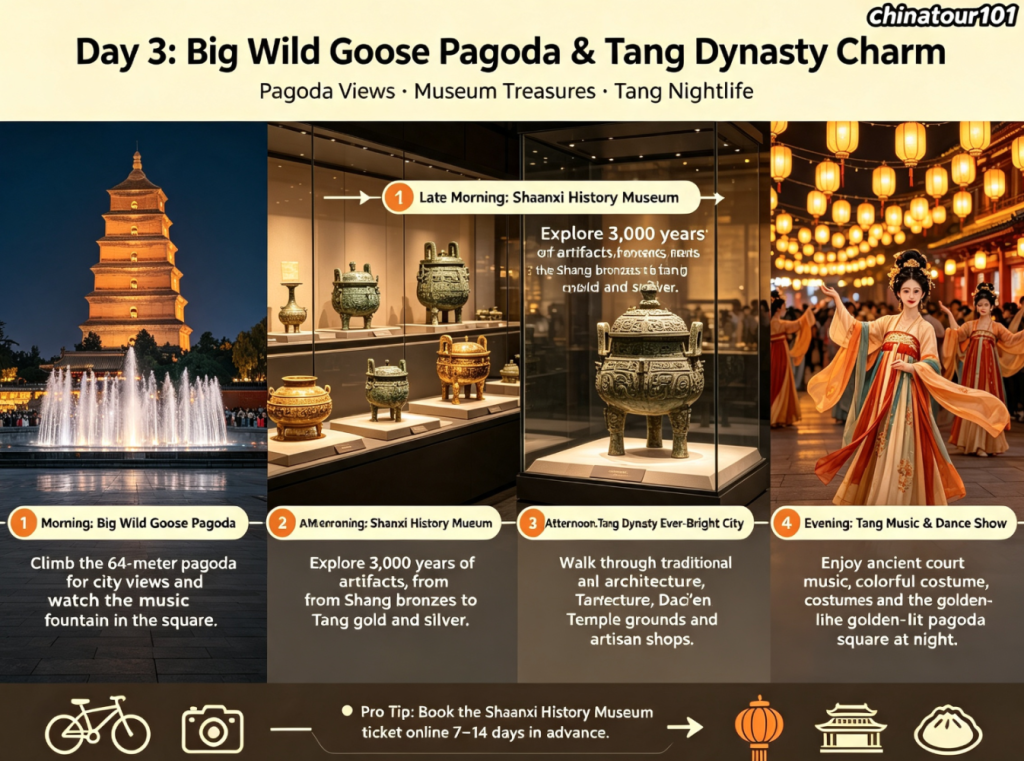
Morning: Start at the Big Wild Goose Pagoda – a 64-meter Buddhist pagoda built in 652 AD to house scriptures brought back from India. Climb to the top for a panoramic view of the city. The square in front comes alive with music fountains at noon and evening – a delightful spectacle blending ancient and modern.
Late morning: Walk over to the Shaanxi History Museum – one of China‘s top museums, housing over 370,000 artifacts spanning 3,000 years. From Shang Dynasty bronzes to Tang Dynasty gold and silver, this place is a treasure trove. Book your free ticket online at least 7-14 days in advance – they sell out fast.
Afternoon: Explore the Tang Dynasty Ever-Bright City – a recreated Tang-era district with traditional architecture, street performances, and cultural experiences. Wander through the Daci‘en Temple grounds, browse artisan shops, and soak in the imperial atmosphere.
Evening: Catch the Tang Dynasty Music and Dance Show – a stunning performance of ancient court music and colorful costumes. It’s touristy, yes, but genuinely beautiful. Afterwards, stroll back through the illuminated pagoda square – the pagoda glows gold against the night sky.
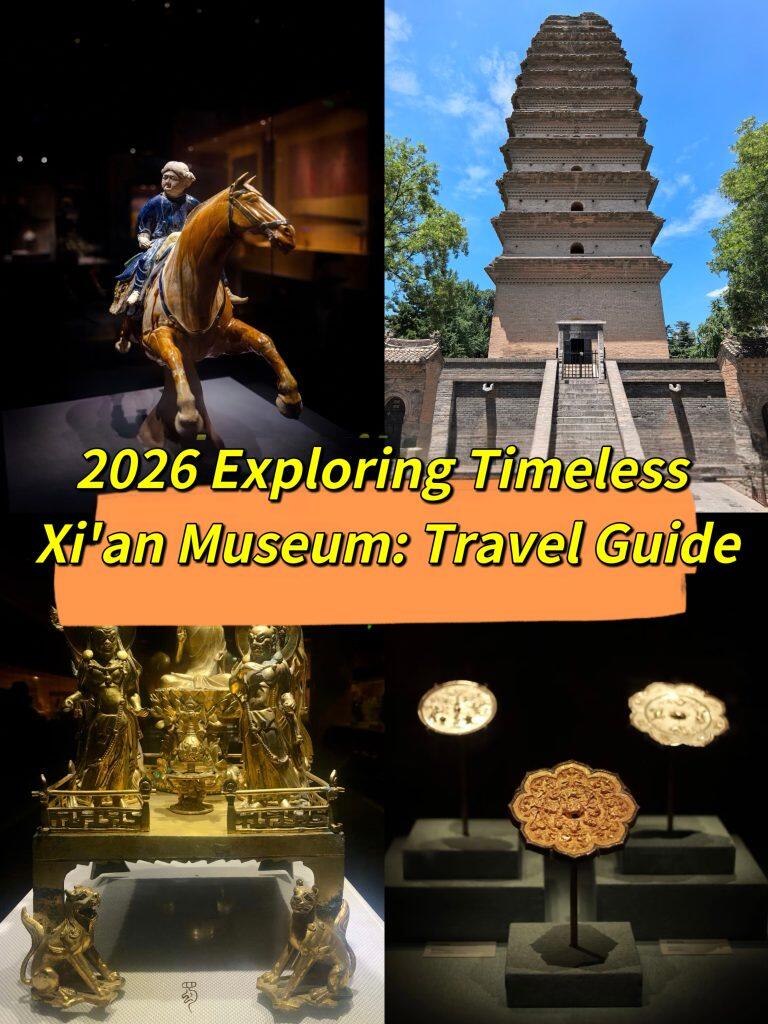
Pro tip: The Shaanxi History Museum is free but extremely competitive. If you miss out, the Xi‘an Museum near the Small Wild Goose Pagoda is an excellent backup with fewer crowds.
Day 4: Choose Your Own Xi’an Adventure
Option A – The Calligraphy & Culture Route:
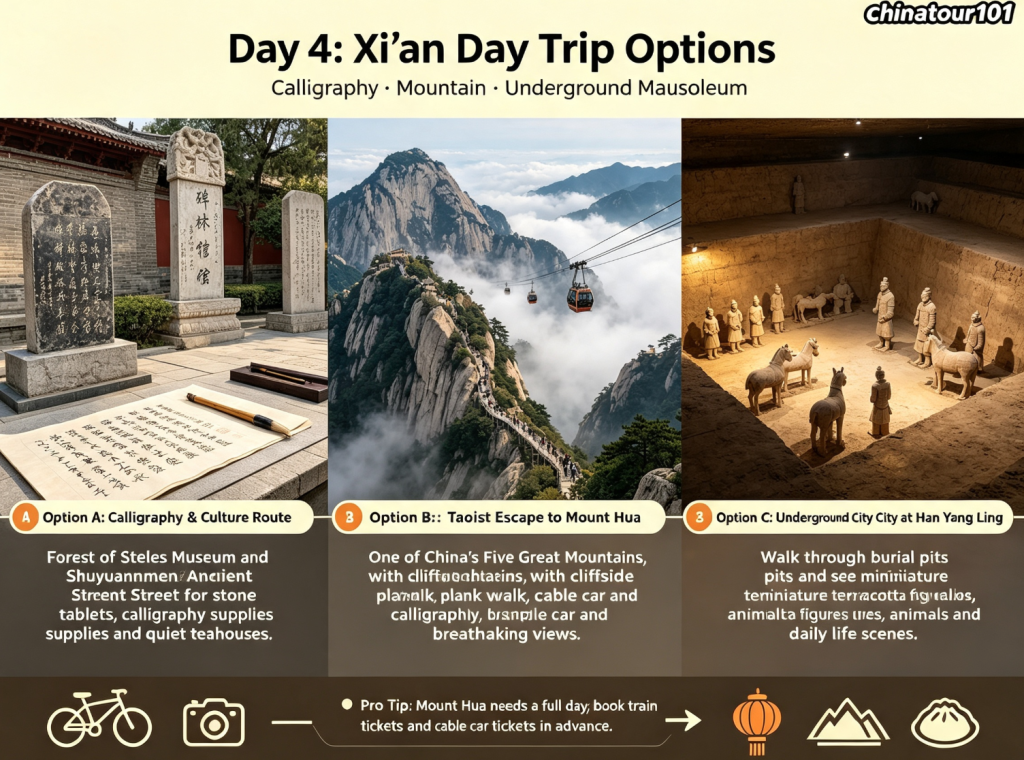
Visit the Forest of Steles Museum – a quiet courtyard housing thousands of ancient stone tablets with inscriptions dating back 2,000 years. It‘s a calligraphy lover‘s paradise and a peaceful escape from the city buzz. Then wander through Shuyuanmen Ancient Street, lined with souvenir shops, calligraphy supplies, and teahouses.
Option B – The Taoist Escape:
Take a day trip to Mount Hua (Huashan) – one of China’s Five Great Mountains, famous for its sheer cliffs and breathtaking views. The plank walk along the cliff face is not for the faint-hearted, but the cable car ride up is spectacular enough for most travelers. Allow a full day (1.5 hours by high-speed train from Xi‘an North Station).
Option C – The Underground City:
Explore the Han Yang Ling Mausoleum – the tomb of Emperor Jing of the Han Dynasty. Unlike the Terracotta Army, here you can walk through the actual burial pits and see miniature terracotta figures, animals, and daily life scenes preserved for over 2,000 years. Much less crowded than the Terracotta Army and equally fascinating.
Where to Stay in Xi‘an
- Bell Tower / Muslim Quarter – best for food lovers and first-timers. Everything is walkable. Budget: 200-350 RMB; mid-range: 400-700 RMB
- Qujiang District (near Big Wild Goose Pagoda) – quieter, more upscale, with beautiful night views. Perfect for culture seekers
- High-tech Zone – modern, business-oriented, great if you prefer sleek hotels and fewer tourists
Food – What You Absolutely Cannot Miss
Xi’an is a food city through and through. Beyond the Muslim Quarter classics:
- Biangbiang Noodles – thick, hand-pulled noodles with chili oil and vegetables. The name is written with the most complex Chinese character ever – 57 strokes!
- Qishan Noodles – sour, spicy, and incredibly comforting
- Persimmon Cakes – sweet, fried, and perfect for a quick snack
- Hu spicy soup (Hulatang) – a hearty breakfast soup with pepper, tofu, and vermicelli
- Chinese hamburger (Roujiamo) – try it with lamb or pork, stuffed in a crispy flatbread
Pro tip: Join a food tour in the Muslim Quarter – local guides will take you to hidden stalls you‘d never find on your own. The stories behind each dish make the food taste even better.
Practical Travel Hacks
- High-speed train is your friend. Xi’an is well-connected – 5 hours from Beijing, 2.5 hours from Chengdu, 6 hours from Shanghai. Book tickets on the official 12306 app.
- Metro is easy. Xi‘an’s metro has English signage and announcements. Line 2 runs north-south through the city center. Tap your Visa/Mastercard at the gate or use Alipay‘s transport QR code.
- Book popular attractions early. Terracotta Army, Shaanxi History Museum, and Mount Hua cable car tickets sell out – especially on weekends and holidays.
- Best time to visit. Spring (March–May) and Autumn (September–November) are perfect – mild weather, clear skies. Summer is hot and humid; winter is cold but less crowded.
- Pack comfortable shoes. You‘ll be walking – a lot. City Wall bike ride, museum visits, and food tours all require good footwear.
- Set up Alipay or WeChat Pay before you arrive. Link your international Visa/Mastercard – it makes street food purchases, metro rides, and museum tickets seamless.
Frequently Asked Questions – Your Xi‘an Trip
Q:Do I need a visa to visit Xi’an?
Most Western passport holders need a tourist visa to enter China – Xi‘an does not have the 144-hour visa-free transit policy like Shanghai or Beijing. Apply at least 3–4 weeks ahead at your nearest Chinese embassy or consulate. We recommend using a visa service for a smoother process. Always check the latest policy on our website before you book.
Q:Can I use my credit card or do I need cash?
Hotels and upscale restaurants accept credit cards, but for street food, local shops, and even museum tickets, you’ll want Alipay or WeChat Pay. Good news: you can now link your international Visa/Mastercard to both apps. Bring some cash (500–1000 RMB) as backup – ATMs are everywhere in the city center.
Q:Is English spoken in Xi‘an?
Major attractions (Terracotta Army, City Wall, Big Wild Goose Pagoda) have English signs and audio guides. Hotel staff and younger locals usually speak basic English. But don’t expect everyone to – download a translation app like Baidu Translate or Google Translate. A few words like “ni hao” (hello) and “xie xie” (thanks) will earn you big smiles!
Q:When is the best time to visit Xi‘an?
Spring (March–May) and Autumn (September–November) are absolutely perfect – mild temperatures, clear skies, and golden or blooming landscapes. Summer (June–August) can be scorching (over 35°C) and crowded. Winter (December–February) is cold and dry, but the Terracotta Army sees far fewer tourists – and the City Wall looks magical with a dusting of snow.
Q:How do I avoid crowds at the Terracotta Army?
Go first thing in the morning – arrive at 8:30 AM when the gates open. Or go after 2 PM, when most tour groups are having lunch. Book your tickets online at least 1 day in advance via the official WeChat mini-program. And definitely hire a local guide at the entrance (around 100 RMB) – they know the quiet corners and can tell you stories that the audio guide misses.

Mike Wang
Mike Wang is a 40-something Chinese travel expert, has explored the world,
hosting numerous foreign visitors. He’s deeply interested in and knowledgeable
about ancient cultural architectures, enriching journeys with his insights.