
The History and Significance of Winter Vacation
Winter vacation, a standard holiday for primary and secondary schools in China, is scheduled annually during the coldest months of the year, typically spanning from late January to mid-February. Its arrangement is closely linked to China’s climatic characteristics and traditional festivals, with the Spring Festival—the most important traditional Chinese festival—always falling within this vacation period. The vacation serves dual purposes: it allows students to take a break from heavy academic tasks to recharge their energy, and it provides ample time for families to gather, celebrate the Spring Festival, and pass down traditional culture. For students, it is not only a period of rest but also a chance to engage in extracurricular learning, social practice, and family bonding, playing a vital role in their all-round development.
Traditional Arrangements and Activities During Winter Vacation
Winter vacation in Chinese schools is filled with a mix of rest, study, and festival-related activities, with core arrangements centered on celebrating the Spring Festival and consolidating academic knowledge:
- Completing Holiday Homework: Teachers assign a moderate amount of holiday homework covering various subjects, including review of the knowledge learned in the first semester and preview of new content for the second semester. This helps students maintain their learning rhythm and avoid knowledge gaps during the long break.
- Celebrating the Spring Festival with Family: The highlight of winter vacation. Students accompany their families to clean the house, paste Spring Festival couplets, make dumplings, visit relatives and friends, and receive red envelopes. These activities allow them to experience the strong festive atmosphere and inherit traditional customs such as ancestor worship and New Year greetings.
- Reading and Self-improvement: Many students use the vacation time to read extracurricular books, including classic literature, history books, and popular science readings, to broaden their horizons and enrich their knowledge reserves. Some also participate in reading clubs or online sharing sessions to exchange reading experiences.
- Participating in Voluntary Labor and Social Practice: Under the guidance of schools or parents, some students take part in voluntary activities such as community service, caring for the elderly in nursing homes, and environmental protection campaigns. Others engage in social practice like visiting museums, historical sites, or local enterprises, gaining practical experience beyond textbooks.
Modern Arrangements and Activities During Winter Vacation
While traditional vacation activities are still widely practiced, modern winter vacation arrangements have become more diverse and personalized, adapting to the development of society and changes in educational concepts:
- Taking Part in Extracurricular Courses and Interest Classes: With the emphasis on all-round development, many students choose to attend interest classes such as calligraphy, painting, music, dance, and sports training during the vacation. Some also take tutoring classes to improve their academic performance in weak subjects, or participate in STEM courses and programming training to cultivate innovative thinking.
- Traveling and Experiencing Different Cultures: Thanks to the improvement of family living standards, traveling during winter vacation has become increasingly popular. Families either take domestic trips to scenic spots with unique winter scenery, such as ice and snow resorts in Northeast China, or go abroad to experience different cultures and customs. These trips serve as a form of “traveling education” that broadens students’ perspectives.
- Engaging in Digital and Online Activities: Students use digital devices to participate in online courses, watch educational videos, and join virtual museums or online lectures. They also connect with classmates through social media to share vacation experiences, or take part in online competitions such as writing contests and painting competitions, making the vacation more colorful.
- Focusing on Physical Exercise and Health Preservation: Given the cold winter weather, schools and parents encourage students to engage in appropriate physical activities, such as running, playing ball games, and ice skating, to enhance their physical fitness and resistance to diseases. Many families also pay attention to balanced diet and regular work and rest to help students maintain a healthy lifestyle during the vacation.
Regional Variations of Winter Vacation in China
Due to China’s vast territory and significant differences in climate and academic schedules between northern and southern regions, winter vacation arrangements and activities vary slightly across different areas:
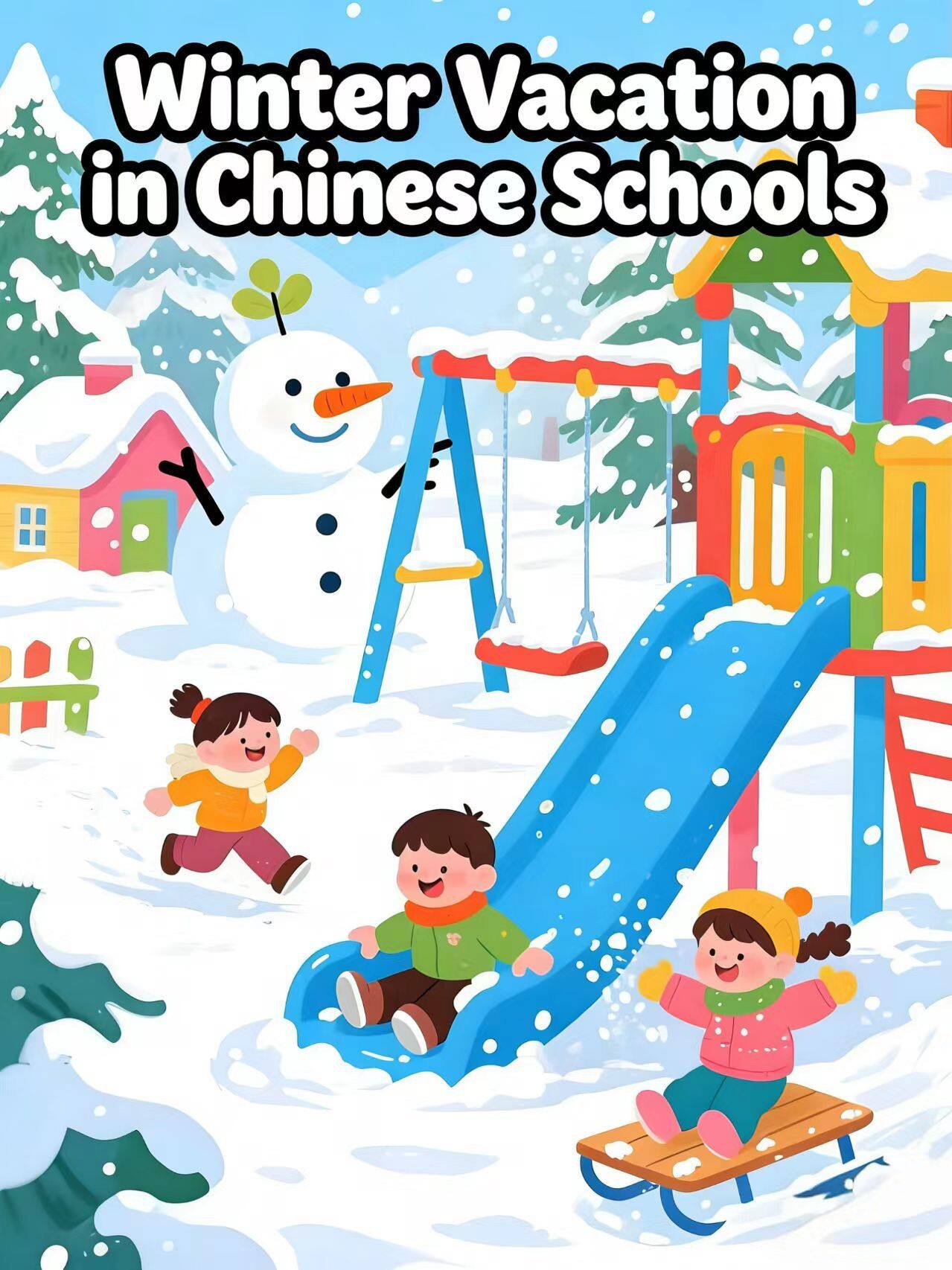
- Northern China: Winter in northern China is extremely cold with heavy snowfall, so the vacation period is usually longer (about 4–5 weeks) compared to the south, to avoid the impact of severe weather on commuting and classes. Students in this region often participate in ice and snow activities such as skiing, ice skating, and building snowmen, enjoying the unique winter fun.
- Southern China: The winter in southern China is mild and short, so the winter vacation is relatively shorter (about 3–4 weeks). Students here prefer outdoor activities such as hiking, visiting flower fairs, and going to the beach, and some also take part in warm-weather volunteer activities like planting trees.
- Ethnic Minority Regions: In areas inhabited by ethnic minorities such as Tibet, Xinjiang, and Inner Mongolia, winter vacation arrangements may be adjusted according to local ethnic festivals and academic plans. For example, some schools in Tibet extend the vacation appropriately to allow students to participate in traditional Tibetan festivals, while integrating ethnic cultural learning into vacation assignments.
Winter Vacation Schedules in Chinese Schools (2025–2026 Academic Year Reference)
Winter vacation schedules in Chinese schools are formulated by local education bureaus, with slight differences between primary and secondary schools and across regions. The following is a reference schedule for the 2025–2026 academic year:
- Primary and Secondary Schools in Northern China: January 18, 2026 – February 22, 2026
- Primary and Secondary Schools in Southern China: January 25, 2026 – February 18, 2026
- Senior High Schools: Generally 1–2 weeks shorter than primary and secondary schools, with the vacation starting around January 25, 2026 and ending around February 15, 2026 (due to the pressure of college entrance examinations)
Dalia Xu
Dalia Xu is a 30-year-old female seasoned travel enthusiast
with over a decade of travel experience,
she has a passion for natural landscapes and hotel reviews.