
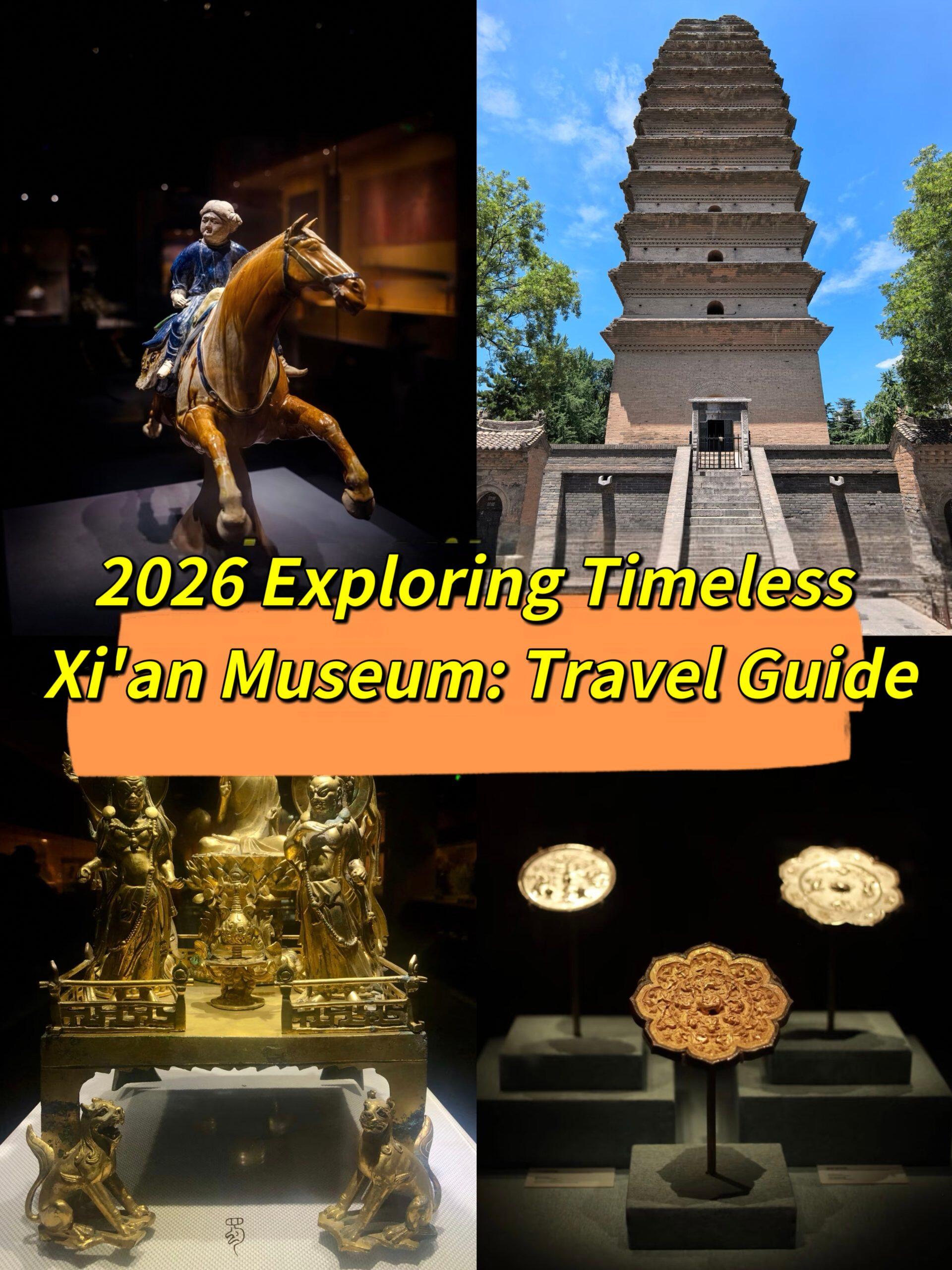
Hello, I’m Dalia Xu, a 30-year-old seasoned travel enthusiast with over a decade of travel experience. I have a deep passion for cultural heritage and museum exploration. Most tourists rush straight to the huge Shaanxi History Museum and overlook Xi’an Museum — and that’s a real shame. This is not just a small city museum; it is a peaceful, garden‑like treasure hidden inside the ancient Xi’an City Wall, packed with delicate Tang murals, imperial pottery and stele relics. If you love slow, intimate history without massive crowds, this is your perfect spot. This detailed guide is your Xi’an Museum travel guide 2026, made for your unforgettable Xi’an Museum trip 2026 and wonderful China Travel 2026.
Xi’an Museum 2026: Why This Hidden Gem Beats Crowded Big Museums
Xi’an Museum sits inside the southern section of Xi’an City Wall, built on the site of the former imperial Tang Dynasty Ancheng Palace. Unlike large national museums packed with noisy crowds and rushed tour groups, this place combines Tang‑style classical gardens, elegant exhibition halls and authentic ancient relics in one quiet space.
What makes it so special? First, its location — inside the old city wall, surrounded by ancient trees and traditional alleyways. Second, its collection focuses closely on the rise and fall of Chang’an (ancient Xi’an), with rare Tang‑era murals, pottery figurines and stone carvings you won’t see elsewhere. Third, the whole site feels relaxed and peaceful. I always tell my guests: if big museums make you feel overwhelmed, Xi’an Museum lets you breathe history slowly, comfortably and deeply.
Xi’an Museum 2026: Tickets, Hours & Best Visiting Seasons
Official Opening Hours 2026
- Daily: 9:00 AM – 5:00 PM
- Last entry: 4:30 PM
- Closed every Monday (except national public holidays)
Ticket Prices 2026
- General Admission: $4.2 per person
- Students / Seniors over 65: $2.1 per person
- Children under 1.2 meters tall: Free entry
Local Expert Recommended Visiting Seasons
- Spring (April–May): The garden blooms with flowers, sunlight filters through ancient eaves — perfect for slow strolling and photos.
- Autumn (September–October): Cool mild weather, golden leaves falling in courtyards, fewer tourists than summer.
- Avoid summer midday heat and winter cold winds for the most pleasant experience.
Xi’an Museum 2026: Top Must‑See Exhibits & Garden Attractions
Tang Dynasty Mural Gallery 2026
The star highlight of Xi’an Museum. These well‑preserved murals are taken directly from Tang royal tombs, showing noble ladies, hunting scenes, banquets and daily imperial life. The colors are still vivid after more than 1,300 years. Standing in front of them, you can almost see Tang people living their elegant lives.
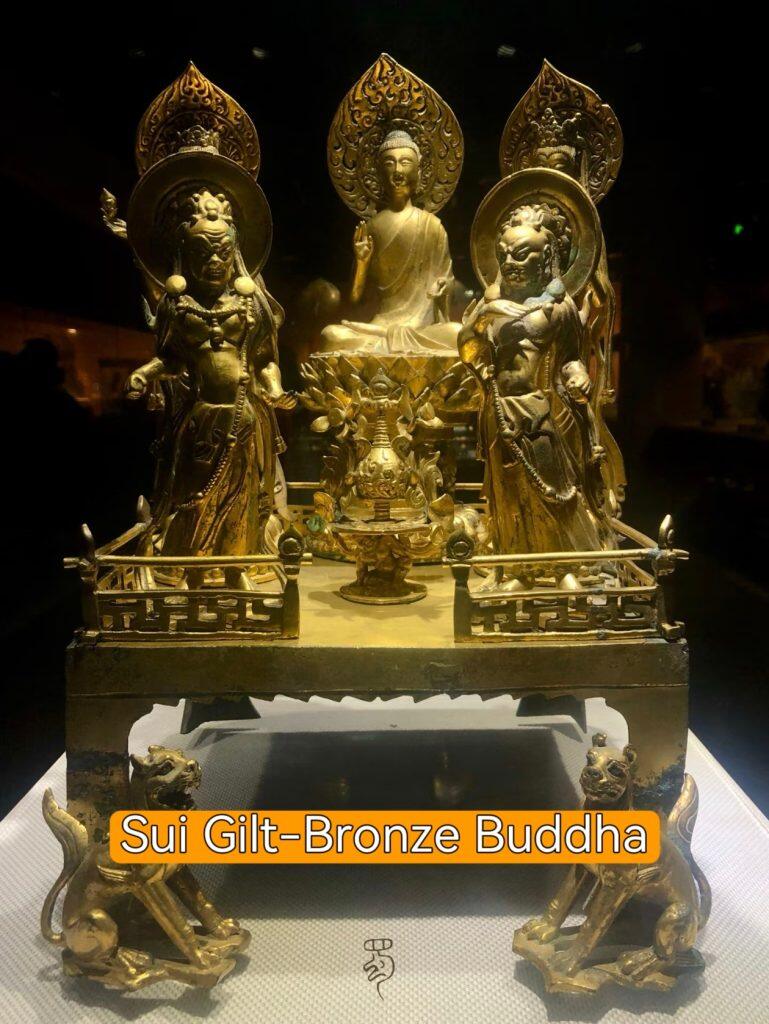
Ancient Stele & Stone Carving Courtyard 2026
Open‑air stone courtyard filled with Han and Tang Dynasty steles, Buddhist carvings and epitaphs. The calligraphy and carving art here are breathtaking. Many are masterpieces from China’s golden age of writing and sculpture.
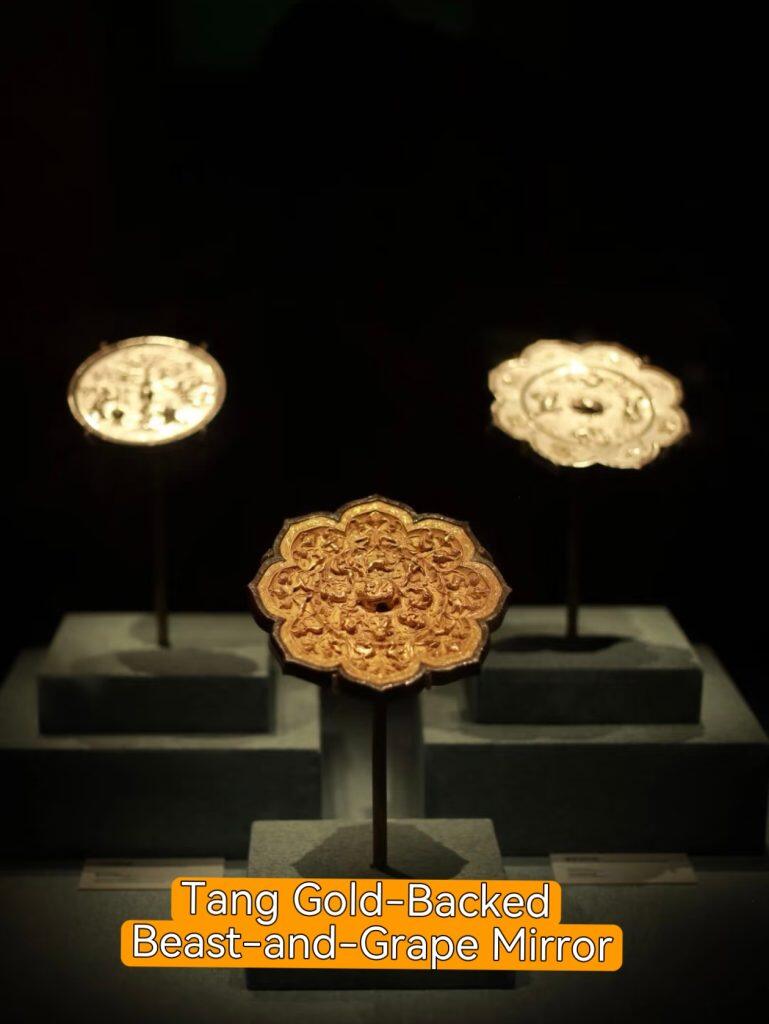
Imperial Pottery Figurine Collection 2026
Small but exquisite Tang pottery soldiers, maids, musicians and dancers. These delicate figurines show the fashion, hairstyles and beauty standards of Tang women, which is one of my personal favorite parts to show foreign visitors.
Tang‑Style Garden Scenic Area 2026
Ponds, pavilions, stone bridges and old cypress trees make this garden feel like a hidden imperial retreat. Many people only visit the exhibition halls and skip the garden — don’t make that mistake.
Xi’an Museum 2026: Convenient Transportation Guide
- 🚇Subway (Most Recommended): Take Metro Line 2 to Yongningmen Station (South Gate), Exit D, walk 6–7 minutes along the inner city wall to the museum entrance. Fare: $0.3–$0.7.
- 🚌Public Bus: Take Bus 6, 11, 16 or 23 to South Gate Stop, walk 5 minutes inside the wall. Single fare: $0.3.
- 🚕Taxi/Ride‑Hailing: From downtown Bell Tower area, 10–15 minutes ride, fare $2–$3.5.
- ⚠️Local Expert Tip: Combine with South Gate City Wall walk — visit the museum in the morning, then stroll the wall for sunset views.
Xi’an Museum 2026: Immersive Cultural Experiences
Self‑Guided Garden & History Walk 2026
Take your time wandering the courtyard and exhibition halls without rushed schedules. Read the English introductions and imagine ancient Chang’an’s stories.
Ancient Calligraphy Observation 2026
Admire Tang Dynasty calligraphy on steles; many visitors love taking close‑up photos of these artistic masterpieces.
Quiet Afternoon Tea Break
Small tea corners in the garden allow you to rest and sip local tea surrounded by ancient architecture.
Xi’an Museum 2026: Top Real‑Life Photo Spots (4:3 High‑Res Real Shots, Non‑AI, No Watermark)
Below are my hand‑picked real 4:3 high‑res photo spots from years of local shooting experience:
- Main Tang‑Style Garden Building (4:3 Real Shot): Capture the museum’s curved‑eave architecture with green garden trees in the foreground — classic peaceful Xi’an style.
- Tang Mural Exhibition Hall Interior (4:3 Real Shot): Shoot close‑ups of colorful Tang murals with soft indoor lighting for elegant cultural portraits.
Xi’an Museum 2026: Local Expert Insider Travel Tips
- Arrive at 9:00 AM opening time: The museum is extremely quiet in the first hour, perfect for slow exploration and undisturbed photos.
- Spend 2–2.5 hours minimum: Don’t rush. The small size tricks people into thinking 1 hour is enough, but the details and garden deserve full attention.
- Wear light, comfortable clothes: The garden is open‑air; dress for the season and wear walking shoes for courtyard paths.
- Pair with South Gate City Wall: Visit the museum in the morning, then walk the wall at sunset for golden‑hour views — my most recommended half‑day route.
- Respect relics: No flash photography for murals and pottery, to protect these fragile ancient treasures.
FAQ: Xi’an Museum 2026
Q: Is Xi’an Museum worth visiting if I already plan to go to Shaanxi History Museum?
A: Absolutely yes, and I highly recommend visiting both. Shaanxi History Museum is grand and massive, showing 5,000 years of national history, while Xi’an Museum is intimate and city‑focused, telling the specific story of Chang’an itself. The Tang murals here are unique and not displayed in the bigger museum. The peaceful garden atmosphere is also totally different from crowded large‑scale venues. Many of my guests tell me Xi’an Museum ended up being their favorite relaxed cultural stop in the whole city.
Q: How long should I stay at Xi’an Museum for a full experience?
A: I suggest planning at least 2 to 2.5 hours. One hour is only enough for a quick glance at the main halls. If you want to read the historical notes, appreciate the murals, stroll the garden courtyard and take nice photos, two hours is the minimum comfortable time. It’s a small museum but full of delicate details that need time to enjoy.
Q: Is Xi’an Museum suitable for casual travelers who are not deep history fans?
A: Definitely suitable for casual visitors. It’s not heavy or academic at all. The garden is beautiful for simple sightseeing, the murals are colorful and visually stunning, and the pottery figurines are cute and easy to understand. You don’t need deep historical knowledge to enjoy the beauty and relaxed vibe here. It’s a perfect low‑pressure cultural spot for all types of travelers.
Q: Can I combine Xi’an Museum with other nearby attractions in one day?
A: Yes, this is my most recommended one‑day old‑city route: Xi’an Museum in the morning → South Gate City Wall for a sunset walk → Bell & Drum Towers in the evening. All spots are within 10–15 minutes walking distance, forming a perfect relaxed ancient‑city itinerary without long transfers.
Xi’an is full of well‑known famous landmarks, but its true hidden treasures are places like Xi’an Museum — quiet, gentle, full of subtle beauty and real Chang’an history. This little garden museum is not flashy or crowded; it is sincere, peaceful and deeply touching.
I truly hope you will come to Xi’an in 2026, step inside this ancient‑wall hidden gem, wander its Tang gardens, admire its delicate murals, and feel the slow, elegant heartbeat of ancient Chang’an.
Welcome to China, welcome to Xi’an, and welcome to the timeless charm of Xi’an Museum.

Dalia Xu
Dalia Xu is a 30-year-old female seasoned travel enthusiast
with over a decade of travel experience,
she has a passion for natural landscapes and hotel reviews.
| Updated: May 21, 2026Essential XI’an Travel Resources
1、Core Xi’an Attractions
Emperor Qinshihuangs Mausoleum Site Park: A Top Guide
Xi’an City Wall: A Ultimate Guide for Your Trip
The Long Regret: Your Perfect Trip Guide
Xi’an Bell Tower: A Cultural Landmark in China
Tang Paradise: Your Guide to a Perfect Cultural Trip
2026 Travel Guide to Timeless Shaanxi History Museum
Datang Everbright City 2026 Travel Guide: Embrace Its Timeless Elegance
2026 Exploring Timeless Xi’an Museum: Travel Guide
Chang’an Twelve Hours Theme Street: 2026 Travel Guide to Its Timeless Charm
Xi’an Giant Wild Goose Pagoda Travel Guide 2026 | China Trip
2、Must-Stay Xi’an Hotels
Xi’an Luxury Hotels Guide:Discover the Fascinating City
Top Xi’an Family-Friendly Hotels:An Excellent Guide
Top Xi’an Scenic View Hotels:Your Ultimate Guide
Top Xi’an Scenic View Hotels:Your Ultimate Guide
Discover Real Xi’an: Top Local Style Hotels Guide
3、Must-Try Xi’an Food & Local Eats
Xi’an Food Guide: Savor the Hearty & Time-Honored Flavors of China’s Ancient Capital
4、Local Xi’an Transportation
Essential Guide to Xi’an Xianyang Airport: Metro, Shuttle & Terracotta Routes