
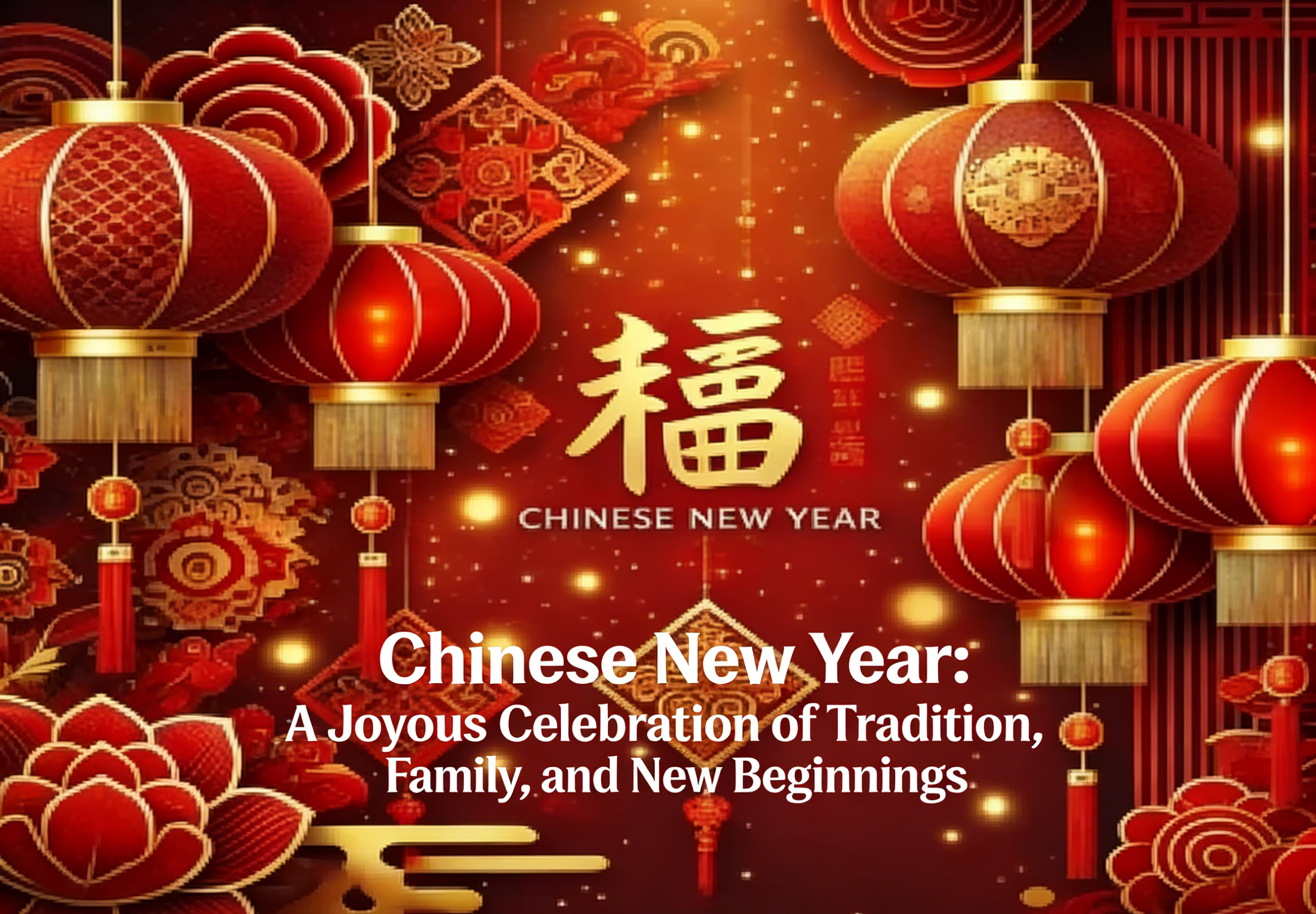
Chinese New Year, also known as Lunar New Year, stands as the most cherished traditional holiday in China. It’s a time when the nation comes alive with festive cheer, centered on themes of renewal, prosperity, and heartfelt family reunion. Let’s dive into the rich tapestry of this beloved celebration.
When is Chinese New Year
Chinese New Year follows the lunar calendar, so its date shifts each year on the Gregorian calendar. The 2026 Chinese New Year kicks off on February 17 (Lunar New Year’s Eve) and wraps up on March 3 with the Lantern Festival, spanning a joyful 16 days. Looking back, the festival dates from 2017 to 2025 have ranged from late January to mid-February, reflecting the lunar calendar’s rhythm.
Each Chinese New Year is linked to one of the 12 zodiac animals, and 2026 is the Year of the Horse (Bing Wu Year). The horse symbolizes energy, freedom, and progress—traits associated with people born in Horse years: lively, optimistic, and independent thinkers. This zodiac sign carries hopes for rapid growth, smooth journeys, and exciting new opportunities in the coming year.
Origins and History
The roots of Chinese New Year trace back to ancient agricultural rituals, where people thanked the heavens and ancestors for bountiful harvests. A famous legend tells of “Nian,” a fearsome beast that terrorized villages. To drive it away, people used firecrackers, hung red decorations, and lit fires—traditions that still shape the festival today, symbolizing new beginnings.
Over time, the holiday evolved: the Qin and Han dynasties standardized its date as the first day of the lunar calendar. By the Tang and Song dynasties, customs like staying up late on New Year’s Eve, exchanging New Year visits, and performing dragon and lion dances grew popular. Today, it blends age-old traditions with modern touches, keeping the celebration vibrant.
Core Traditions
Decorations: Red and Auspicious
Red is the color of Chinese New Year—symbolizing joy, protection, and good luck. Families adorn their homes with red spring couplets (scrolls with hopeful phrases like “Wishing You Prosperity” or “May You Have Surplus Every Year”) and intricate paper-cuttings (displayed on windows or lanterns) to attract fortune.
New Year’s Eve Rituals
New Year’s Eve is all about family. Loved ones gather for a lavish reunion dinner, stay up late (called “shousui”) in brightly lit homes to bid farewell to the old year, and once upon a time, lit firecrackers to scare off evil spirits. Today, firecrackers are often replaced by dazzling fireworks, lighting up the night sky.
Greetings and Red Envelopes
Exchanging warm New Year greetings is a must—friends and family wish each other health, wealth, and happiness. Elders give children red envelopes (“hongbao”) filled with “lucky money,” a symbol of blessings for safety and growth. The amount doesn’t matter; it’s the thought that counts!
Gift-Giving
When visiting others, popular gifts include fruit baskets, local specialties, tea, or health products. But avoid clocks, umbrellas, or pears—their pronunciations in Chinese are linked to inauspicious meanings. Gifts are usually wrapped in red or gold to match the festive mood.
Key Daily Activities
- New Year’s Eve: Reunion dinner, hanging decorations, watching the Spring Festival Gala, and staying up late.
- New Year’s Day: Wearing new clothes, visiting relatives, and praying for good fortune.
- Second Day: Paying respects to in-laws.
- Fifth Day: “Welcoming the God of Wealth” to attract prosperity.
- Lantern Festival: The grand finale—people admire colorful lanterns, solve riddles, and eat sweet rice dumplings (“tangyuan”).
Delicious Food with Symbolic Meanings
The reunion dinner is the heart of the holiday, and every dish has a special meaning:
- Dumplings: Shaped like ancient ingots, they represent wealth and togetherness.
- Rice Cakes (“niangao”): Symbolize “stepping higher” in life—progress and success.
- Spring Rolls: Golden and crispy, they stand for wealth and good luck.
- Fish: Pronounced “yu” in Chinese (sounding like “surplus”), it’s served whole and often saved for the next day to wish for ongoing abundance.
Regional and Ethnic Traditions
China’s vastness brings diverse celebrations:
- North vs. South: Northerners consider dumplings a must-eat for wealth, while southerners favor rice cakes or sweet dumplings for progress. Southern regions also love lively dragon and lion dances.
- Ethnic Minorities: The Zhuang people hold singing festivals and feasts; the Miao perform lively lusheng (reed pipe) dances; Tibetan and Dai communities blend prayers with their cultural traditions, showcasing the country’s rich diversity.
Chinese New Year in Modern Society
The Spring Festival Travel Rush
Hundreds of millions of Chinese travel back to their hometowns for family reunions—creating the world’s largest annual migration, known as the “Spring Festival Travel Rush.” Despite traffic jams and long journeys, it’s a powerful reminder of how much family matters in Chinese culture.
Modern Twists
Technology has added new layers to the festival: digital red envelopes sent via apps, video calls connecting families separated by distance, and more people choosing to travel during the holiday. Yet, the core of Chinese New Year—love for family and hopes for a bright future—remains unchanged.
Chinese New Year is more than a holiday; it’s a celebration of culture, connection, and hope. Whether through traditional rituals, delicious food, or modern innovations, it brings people together to honor the past and embrace the new year with joy.