Hi there, I’m Lila Jiang, a China travel expert with over 10 years of experience helping thousands of travelers from all over the world plan unforgettable trips to China. Today I’m sharing my complete China transit route guide 2026 — everything you need to transfer through China’s airports, enjoy visa‑free transit, save time, and even explore Chinese cities during your layover. This guide is built from real local experience and official 2026 policies, perfect for your global travel plans.
2026 China Transit Policy Overview: 2 Core Visa‑Free Modes
In 2026, China offers two official, user‑friendly visa‑free transit schemes for foreign passengers traveling to a third country or region. No Chinese visa is required for eligible travelers. All rules follow the latest standards from the National Immigration Administration.
24-Hour Port-Limited Visa-Free Transit 2026 (All Nationalities)
This policy applies to all foreign travelers with a valid passport and confirmed onward ticket.
- Core Rule: Stay inside the airport port area for a maximum of 24 hours.
- No entry permit needed, no customs, no luggage pickup.
- Advantage: Fast, simple, zero extra procedures for tight connections.
- Restriction: You cannot leave the airport.
240-Hour Extended Visa-Free Transit 2026 (55 Countries)le Countries)
The most popular option for longer layovers — 10 days visa‑free to explore Chinese cities!
- Eligibility: Citizens of 55 countries (most of Europe, North America, Australia, New Zealand, Japan, South Korea, etc.).
- Ports: 65 official ports across 24 provincesThe State Council of the People’s Republic of China.
- Core Rule: Stay up to 10 days; travel freely within permitted regions.
- Must have: Valid passport + confirmed onward ticket to a third country within 240 hours.
- Great for: Turning a layover into a mini China trip!
Top China Transit Hubs & Best Route Combinations 2026
China’s major airports offer efficient transfers, multilingual services, and global connections.
First-Tier Hub Airports 2026
- Beijing (Daxing & Capital Airports)
- Best for: Europe ↔ Asia, North America ↔ Southeast Asia
- Classic routes: London → Beijing → Bangkok; New York → Beijing → Singapore
- Advantages: Dedicated transfer channels, 24/7 support, short walking distances.
- Shanghai Pudong Airport
- Best for: Global round‑trip transit
- Classic routes: Los Angeles → Shanghai → Kuala Lumpur; Frankfurt → Shanghai → Bali
- Advantages: East Asia’s busiest transit hub, fast security, luggage through service.
- Guangzhou Baiyun Airport
- Best for: Middle East, Africa, Southeast Asia connections
- Classic routes: Dubai → Guangzhou → Osaka; Johannesburg → Guangzhou → Manila
- Advantages: Fast clearance, easy 240h transit application.
New First-Tier Transit Airports 2026
- Chengdu Tianfu: New, low‑crowd hub; ideal for Europe ↔ Southeast Asia.
- Xi’an Xianyang: Central China hub, close to top attractions.
- Shenzhen Bao’an: Links with Hong Kong/Macau; perfect for Greater Bay Area travel.
Budget-Friendly Regional Transit Airports 2026
Qingdao, Wuhan, Changsha offer affordable, quiet transfers with full visa‑free support.
New First-Tier City Transit Options (Chengdu, Xi’an, Shenzhen)
1. Chengdu Tianfu Airport
Highlight: New modern hub with low passenger flow and efficient transfers
Suitable Routes: Europe ↔ Southeast Asia, Central Asia ↔ Oceania
2. Xi’an Xianyang Airport
Highlight: Central China core transit point, close to iconic tourist attractions
Suitable Routes: Eastern Europe ↔ Southeast Asia, cross-Asia budget connections
3. Shenzhen Bao’an Airport
Highlight: Connected with Hong Kong and Macau, perfect for Greater Bay Area combined travel
Suitable Routes: North America ↔ Southeast Asia, Oceania ↔ Southeast Asia
Budget-Friendly Regional Airport Transit Routes
For travelers pursuing cost-effective travel, secondary hubs including Qingdao, Wuhan and Changsha offer affordable connecting flights with fewer crowds and shorter waiting times. These airports fully support 24-hour visa-free transit and 240-hour extended transit policies, ideal for backpackers and long-distance budget travelers.
Essential Transit Preparation & Step-by-Step Transfer Process
Must-Prepare Documents 2026
- Valid passport with at least 6 months of validity and blank visa pages
- Confirmed printed onward ticket with clear flight number, date and seat reservation
- Hotel booking voucher (required if applying for temporary entry for 240-hour transit)
- Printed travel itinerary, ready for inspection by border control officers
Standard Transfer Steps
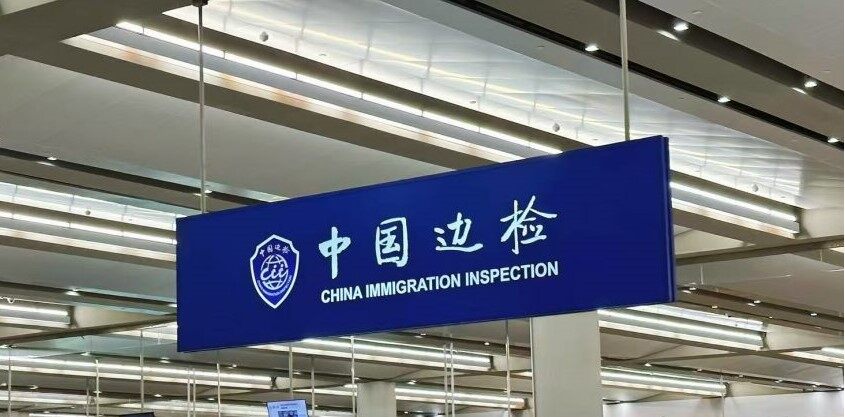
- Upon arrival, follow the obvious International Transfer signs to enter the dedicated transit area
- For 24-hour in-airport transfer: Complete security check and wait at the departure lounge directly
- For 240-hour out-of-airport transit: Submit documents to border inspection, apply for temporary entry stamp
- Check luggage through service to avoid repeated baggage claim and check-in
- Complete boarding procedures for the next flight and wait for departure
2026 Pro Tips from Local Expert
After 10+ years helping foreign travelers with China transfers, here is my practical advice for hassle-free connections:
✅ General Transit Tips
- Book connecting flights with a minimum 3-hour layover for international transfers, reserving time for security and walking.
- Choose the same airline or alliance flights to enjoy direct luggage check-in and free transfer protection.
- Save electronic copies of passports and tickets on your phone for emergency use.
✅ For 240-Hour Extended Transit Travelers
- Register local accommodation within 24 hours after entry; hotels will complete registration automatically.
- Do not cross the restricted administrative regions stipulated by the transit policy to avoid illegal overstay.
- Arrange short-distance attractions nearby to make the most of your 10-day transit period.
✅ For Short 24-Hour In-Airport Transit
- Avoid peak arrival hours to reduce queuing time for transfer security checks.
- Most large Chinese airports have rest lounges, charging stations and catering areas for comfortable waiting.
✅ Universal Reminders
- Do not engage in paid work, commercial performances or illegal activities during transit.
- Carry small amounts of cash or use mobile payment for convenient consumption during temporary entry.
FAQ: Most Common China Transit Questions (2026)
Q: Do I need a Chinese visa for transfer in China?
A: No. All foreign travelers enjoy 24-hour visa-free transit within the airport. Passengers from 55 eligible countries can apply for 240-hour visa-free extended transit with qualified onward tickets.
Q: Can I leave the airport during a layover?
A: Only travelers approved for the 240-hour transit policy can leave the airport and visit surrounding cities. 24-hour limited transit passengers must stay in the port area.
Q: Is baggage checked through automatically for connecting flights?
A: Yes. If your flights are booked in one order or belong to the same aviation alliance, luggage can be checked through to your final destination.
Q: What if my connecting flight is delayed?
A: Major Chinese airports have airline service counters to assist with free rebooking. You can also apply for transit time extension at the local entry-exit bureau in case of emergencies.
Q: Are Hong Kong and Macau included in mainland China transit routes?
A: No. Hong Kong and Macau implement independent entry and transit policies, which are not covered by mainland China’s 240-hour transit rules.
Official Websites to Verify 2026 Transit Rules
For the latest authoritative information, check official platforms before your trip:
- National Immigration Administration (NIA): en.nia.gov.cn(transit policy and eligible country list)
- Civil Aviation Administration of China: www.caac.gov.cn(airport transfer regulations)
- Chinese Ministry of Foreign Affairs Consular Service: cs.mfa.gov.cn(transit document requirements)
Final Thoughts
China’s 2026 transit system is more open and user-friendly than ever. With multiple tiers of international hubs, flexible visa-free transit policies and efficient transfer services, China has become a high-quality layover choice for global travelers. Whether you need a quick short transfer or want to add a short Chinese city tour to your journey, reasonable route planning will make your cross-continental travel more relaxed and colorful.
Every Chinese transit city blends modern convenience and traditional charm. A short stopover here will surely leave you with unique travel memories.
Follow the official transit rules, prepare your documents in advance, and enjoy a smooth and pleasant China transit experience.

Lila Jiang
She is Lila Jiang, a 28-year-old girl.
With over 10 years in the travel industry, she’s chased wanderlust near and far;
what she loves most is diving into local cultures,
finding hidden gems, and connecting with people who bring journeys to life.
Essential China Travel Safety Guide
Safest Routes from Europe & America to China 2026: Complete Expert Guide
China Transit Route Guide 2026: A Complete Handbook for Foreign Travelers
Ticket Change & Refund Policies for Foreigners Traveling to China: 2026 Complete Guide
Flight Cancellation & Emergency Backup Tips for China-Bound Travelers: 2026 Complete Guide