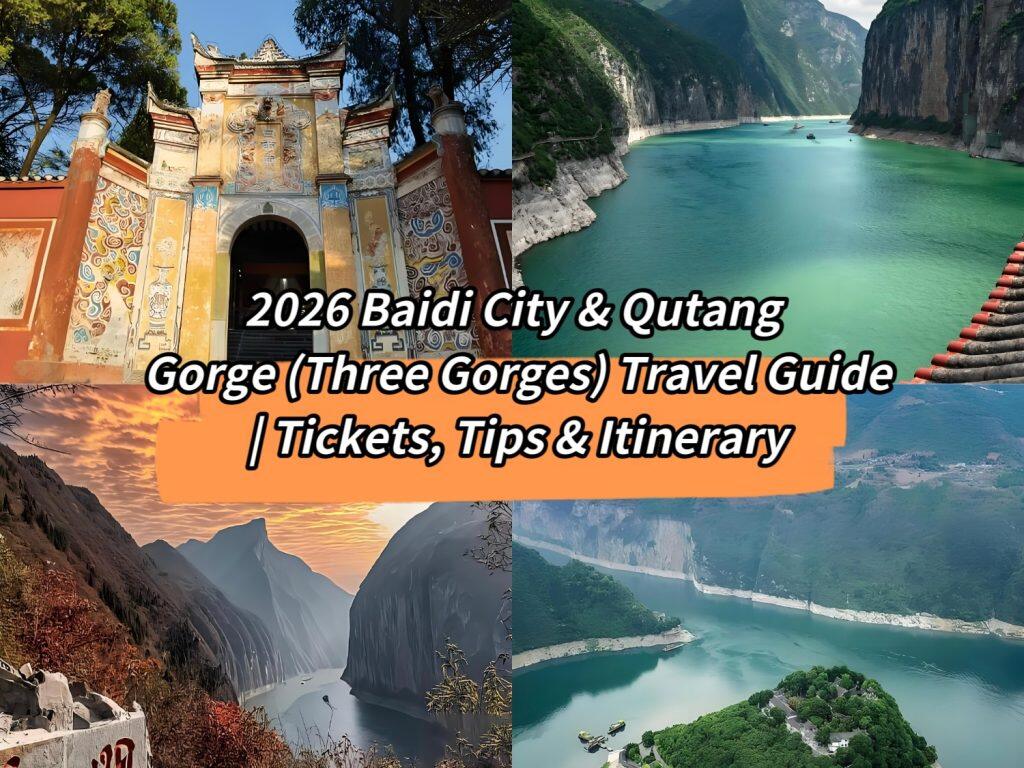
Hello, I’m Lila Jiang, a China travel expert with over 10 years of experience. During these years, I’ve traveled extensively around the world. Next, we’ll explore the natural wonders and cultural heritage of Baidi City & Qutang Gorge. From ancient poems to Three Kingdoms history, from the majestic Kuimen to precious cultural relics, we’ll help you uncover the poetic and heroic stories behind this iconic scenic spot.
Introduction
Quick Facts: Baidi City & Qutang Gorge Scenic Area
- Location: Fengjie County, Chongqing (western entrance of the Yangtze Three Gorges)
- Founded: Western Han Dynasty (25 AD); expanded during the Three Kingdoms Period
- Size: 4.7 sq.km (core scenic area)
- Peak Season: April–October (autumn for red leaves)
- Key Tip: Book tickets 3–15 days in advance | Daily visitor limit: 20,000
- Best Time to Visit: 8:00 am (less crowds, morning mist over the gorge)
Nestled on the north bank of the Yangtze River at the western end of Qutang Gorge, Baidi City & Qutang Gorge is a national 5A-level scenic area and the starting point of the Yangtze Three Gorges. Built in the Western Han Dynasty and flourishing in the Three Kingdoms Period, it’s famous for two timeless legacies: Li Bai’s poem “At dawn I leave Baidi City amid colorful clouds” and Liu Bei’s “entrusting his orphan” to Zhuge Liang.
Qutang Gorge, the shortest (8km), narrowest, and most majestic of the Three Gorges, is home to Kuimen—printed on the back of China’s 10-yuan note—known as “the most magnificent gate under heaven”. For centuries, poets like Du Fu, Liu Yuxi, and Su Shi left thousands of poems here, earning Baidi City the title of “Poetry City”. It’s a perfect blend of breathtaking natural scenery and profound historical culture.
Tickets & Opening Hours
2026 Ticket Prices (All-Inclusive)
- Peak Season (April–October): 100 RMB (~13.9 USD) per adult
- Off-Season (November–March): 80 RMB (~11.1 USD) per adult
- Free Entry: Kids under 1.2m; seniors over 65; disabled visitors (with valid ID)
- Booking Rule: Available 3–15 days in advance via official WeChat mini-program or major travel platforms (Ctrip, Meituan). No on-site ticket sales when fully booked.
Payment Methods
- Online: WeChat Pay, Alipay, international credit cards (Visa, Mastercard) on official platforms.
- On-site: Scan QR code at the visitor center (ID required for verification).
Opening Hours
- Scenic Area: 7:40 am–7:00 pm (last entry 5:30 pm)
- Shuttle Boats: 8:00 am–6:00 pm (every 30 minutes; included in ticket)
- Closed: Open daily (no regular closure; only closed for extreme weather or maintenance)
Note for International Travelers
The official WeChat mini-program supports English. You can change or cancel your ticket 24 hours before your visit with no fee. Bring your passport for ID verification when entering.
Main Scenic Areas & Attractions
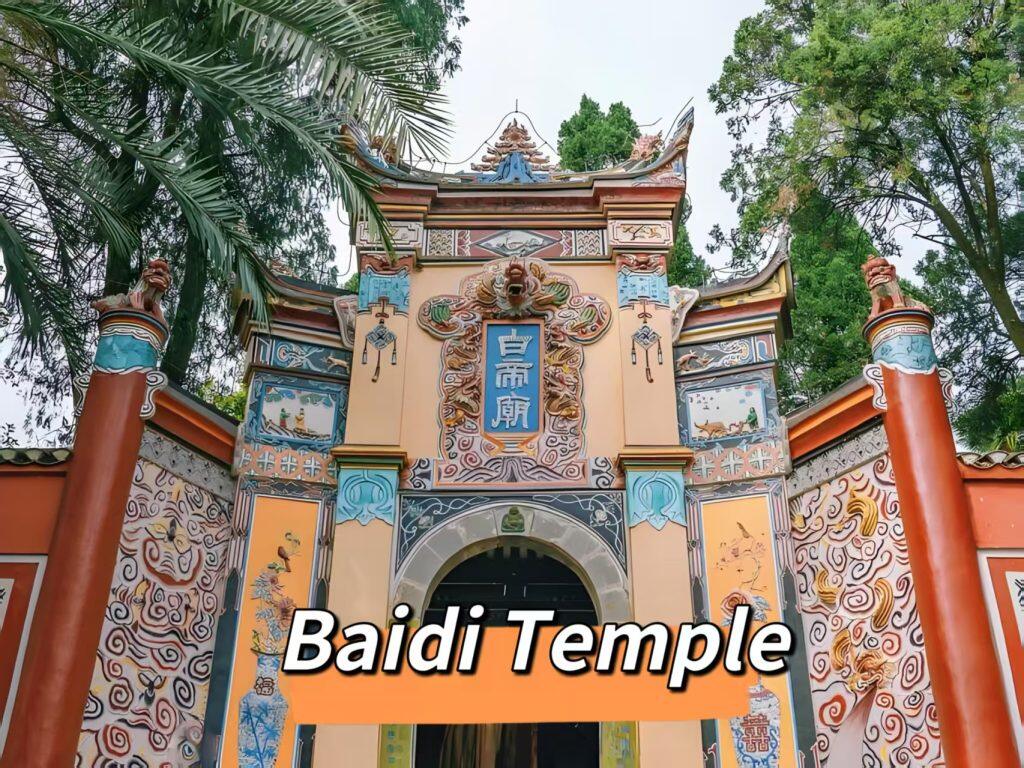
Baidi Temple
The core of Baidi City, rebuilt in the Ming Dynasty. It houses ancient halls, stone steles, and statues of Liu Bei, Zhuge Liang, and other Three Kingdoms figures. Highlights include the Phoenix Stele and Bamboo Leaf Stele—rare stone carvings from the Sui and Tang dynasties. The temple sits on a small island surrounded by the Yangtze River, offering panoramic views of the gorge.
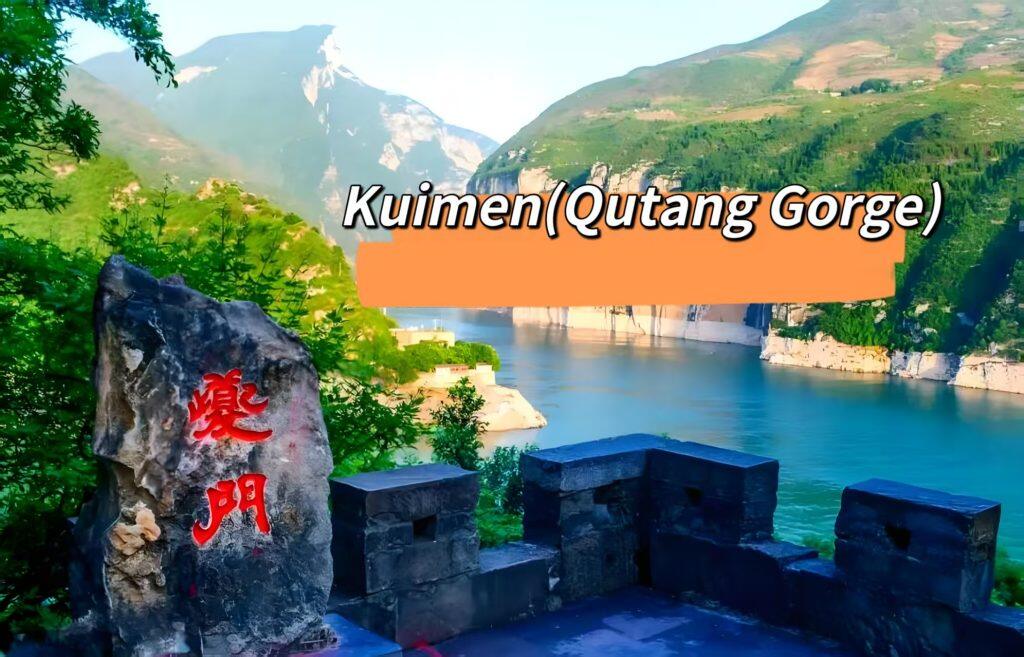
Kuimen (Qutang Gorge)
The iconic “gate” of the Three Gorges and the backdrop of China’s 10-yuan note. Flanked by Chijia Mountain (red) and Baiyan Mountain (white), the gorge is only 100m wide at its narrowest point, with cliffs rising 500m above the river. Take a shuttle boat to cruise through the gorge and experience its breathtaking grandeur up close.
Poetry Corridor
A 500-meter-long corridor lined with 100+ stone carvings of poems by Li Bai, Du Fu, Liu Yuxi, and other ancient poets. Each carving tells a poetic story of Baidi City and the Three Gorges. Don’t miss Li Bai’s “At dawn I leave Baidi City amid colorful clouds”—the most famous poem about the scenic area.
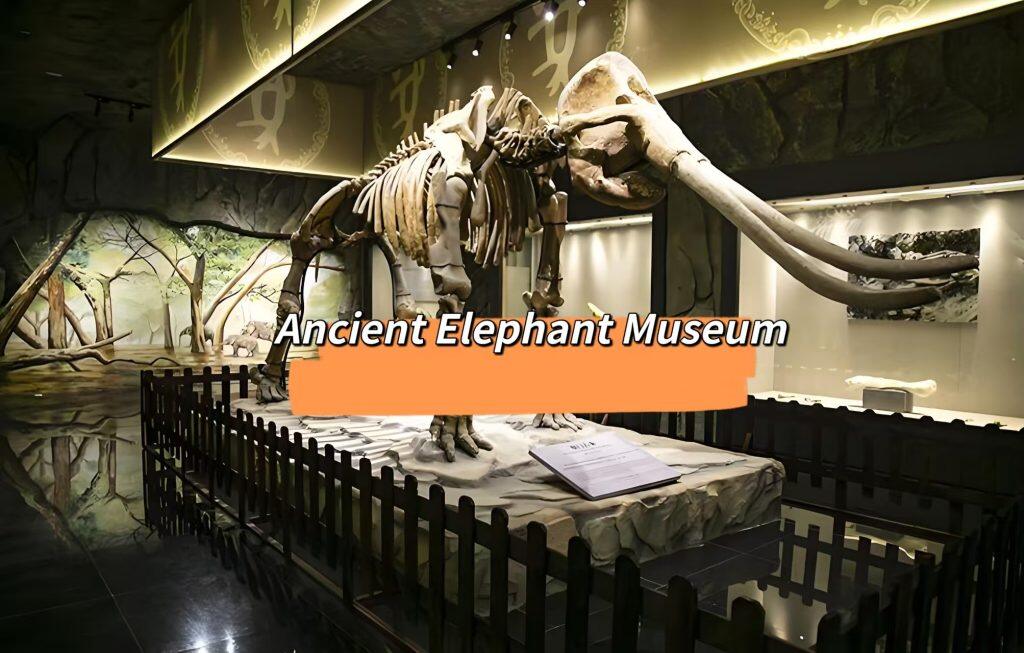
Ancient Elephant Museum
Displays fossils of the “Kuimen Ancient Elephant”—a prehistoric elephant species that lived here 1 million years ago. The 4-meter-tall fossil skeleton and ivory carvings showcase the area’s ancient ecological history. It’s a great spot for history and nature lovers.
Chijia Building
A 3-story ancient tower on the top of Chijia Mountain, offering the best panoramic view of Kuimen and Qutang Gorge. Climb to the top floor for unbeatable photo ops of the 10-yuan note view. The building also houses a small exhibition about the Three Gorges’ geological formation.

Transportation
🚄 High-Speed Rail (Most Convenient)
- Route: Chongqing North Station → Fengjie Station (1.5 hours, 150 RMB/~20.8 USD)
- From Fengjie Station to Scenic Area: Take bus 402/403 (3 RMB/~0.4 USD, 40 minutes) or a taxi (30 RMB/~4.2 USD, 30 minutes).
🚌 Bus
- From Fengjie County: Bus 402/403 (3–5 RMB, 40–45 minutes) stops directly at the scenic area entrance.
- From Other Cities: Long-distance buses to Fengjie County (available from Chongqing, Yichang, and Wanzhou).
🚗 Self-Driving
- Route: Chongqing → Yuyi Expressway → Fengjie Exit (4 hours, free parking at the scenic area for 10 RMB/~1.4 USD).
- Navigation: Search “Baidi City & Qutang Gorge Scenic Area (Entrance)”.
🚤 Cruise (Scenic Option)
- Route: Yichang → Fengjie (Yangtze River cruise, 2 days, 800–1,500 RMB/~111–208 USD)
- Bonus: Enjoy full views of the Three Gorges and stop at Baidi City for a shore excursion.
Experience & Activities
Guided Tours
- English-Speaking Guides: Book online via the official website or Ctrip 1–3 days in advance.
- Cost: 200–300 RMB (~27.8–41.7 USD) per group (max 10 people).
- Highlights: In-depth explanations of Three Kingdoms history, ancient poems, and geological features.
Audio Guides
- Rent: At the visitor center (40 RMB/~5.5 USD, passport deposit required).
- Languages: 40+ languages including English, French, German, and Japanese.
“Return of the Three Gorges” Live Show
- Time: 8:00–9:30 pm (weekends and holidays; free with entry ticket)
- Venue: Near the Poetry Corridor
- Highlights: Immersive performance combining traditional music, dance, and light shows, telling the history and poetry of the Three Gorges.
Hiking (Poetry Plank Road)
- Route: Baidi Temple → Chijia Building → Poetry Plank Road (3.5km, easy)
- Highlights: Walk along the cliffside with unbeatable views of Kuimen and Qutang Gorge. Stop at 4 viewing platforms for photos.
Practical Tips & Etiquette
- No Smoking: Strictly prohibited in all indoor areas, ancient buildings, and the gorge (fire risk).
- No Climbing: Do not climb ancient walls, cliffs, or stone carvings (fines up to 2,000 RMB/~278 USD).
- Crowd Avoidance: Arrive by 8:30 am to skip peak crowds (10:00 am–3:00 pm).
- Footwear: Wear comfortable walking shoes—you’ll walk 3–5 hours (hiking shoes recommended for the plank road).
- One-Way Route: Enter via the main gate → Baidi Temple → Shuttle Boat → Qutang Gorge → Chijia Building → Exit (follow signs to avoid getting lost).
- Luggage Storage: Free lockers available at the visitor center (for large bags; no luggage allowed in ancient buildings).
- Water Stations: Free drinking water near the Poetry Corridor and Ancient Elephant Museum—bring a reusable bottle.
Food
Inside the Scenic Area
- Snack Stalls (Near Baidi Temple): Local specialties like spicy tofu (15 RMB/~2.1 USD), grilled fish (30 RMB/~4.2 USD), and orange cake (10 RMB/~1.4 USD).
- Restaurant (Kuimen View Restaurant): Serves Sichuan-style dishes (spicy hotpot, braised fish) with gorge views. Meal for 2: ~200 RMB/~27.8 USD.
Nearby (Within 5km)
- Fengjie Orange Restaurant: Famous for Fengjie oranges (sweet and juicy) and local fish hotpot. Meal for 2: ~180 RMB/~25 USD.
- Three Kingdoms Theme Restaurant: Serves dishes named after Three Kingdoms heroes (e.g., Liu Bei’s Braised Pork). Price: ~150 RMB/~20.8 USD for 2.
- Street Food (Fengjie Old Town): Glutinous rice cakes (5 RMB/~0.7 USD), spicy noodles (10 RMB/~1.4 USD), and fresh oranges (5 RMB/~0.7 USD per jin).
With this guide, you’ll know the best time to visit Baidi City & Qutang Gorge and make the most of your poetic and historical Three Gorges experience.

Lila Jiang
She is Lila Jiang, a 28-year-old girl.
With over 10 years in the travel industry, she’s chased wanderlust near and far;
what she loves most is diving into local cultures,
finding hidden gems, and connecting with people who bring journeys to life.
Essential Chongqing Travel Resources
1、Core Chongqing Attractions
Chongqing Yangtze River Cableway : Trip & Tips
2026 Baidi City & Qutang Gorge (Three Gorges) Travel Guide | Tickets, Tips & Itinerary
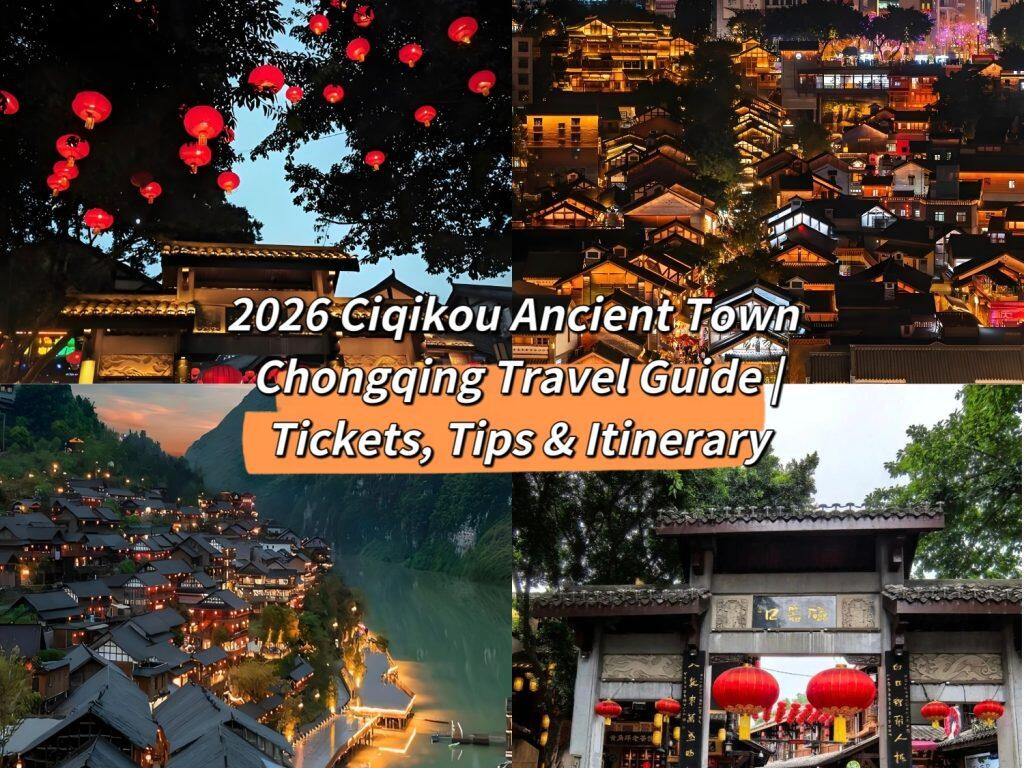
2026 Ciqikou Ancient Town Chongqing Travel Guide | Tickets, Tips & Itinerary
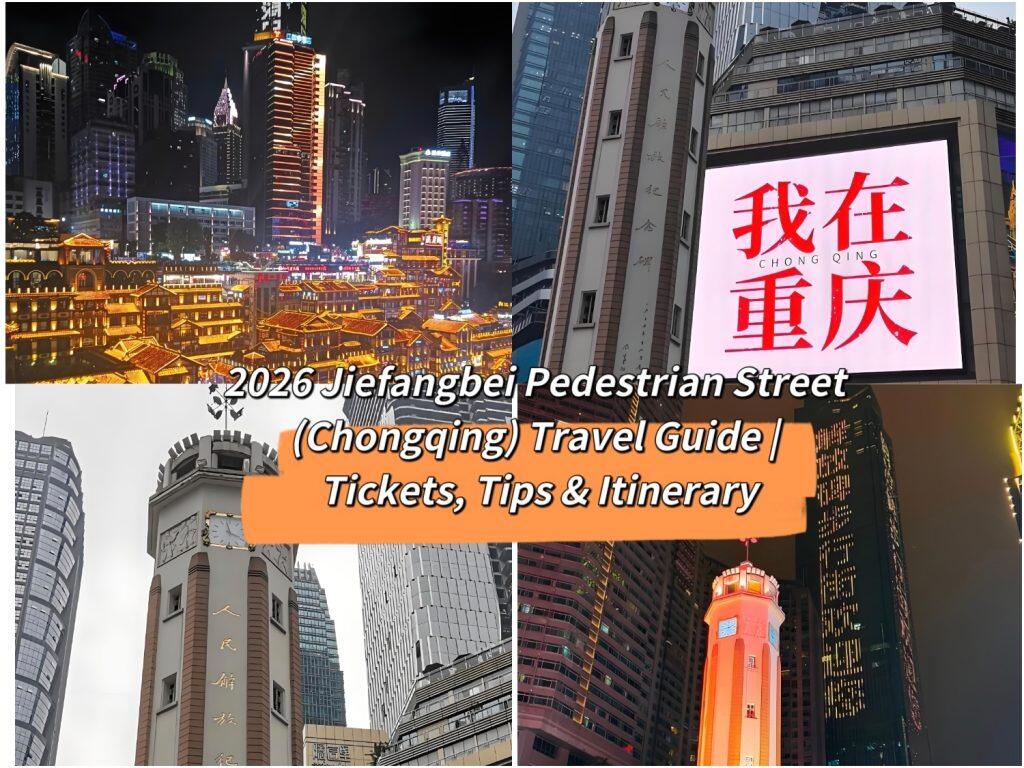
2026 Jiefangbei Pedestrian Street (Chongqing) Travel Guide | Tickets, Tips & Itinerary
2026 Chongqing Cloud Eye Observation Deck Travel Guide | Tickets, Tips & Itinerary
Wulong Three Natural Bridges:The Travel Guide 2025
Chongqing Zoo Guide for Your China Trip
China Trip Highlight: Hongyadong Guide
Quick Guide to Chongqing Two Rivers for China Trip
2、Must-Stay Chongqing Hotels
Chongqing Top 2 Family-Friendly Hotels:Explore this Fascinating City
Top 10 Chongqing Scenic Hotels: Your Ultimate View Guide
Chongqing Top 10 Instagram-Worthy Hotels:Your Suitable Guide
3、Must-Try Chongqing Food & Local Eats
Chongqing Food Guide: Savor the Fiery & Authentic Flavors of China’s Mountain City
4、Local Chongqing Transportation
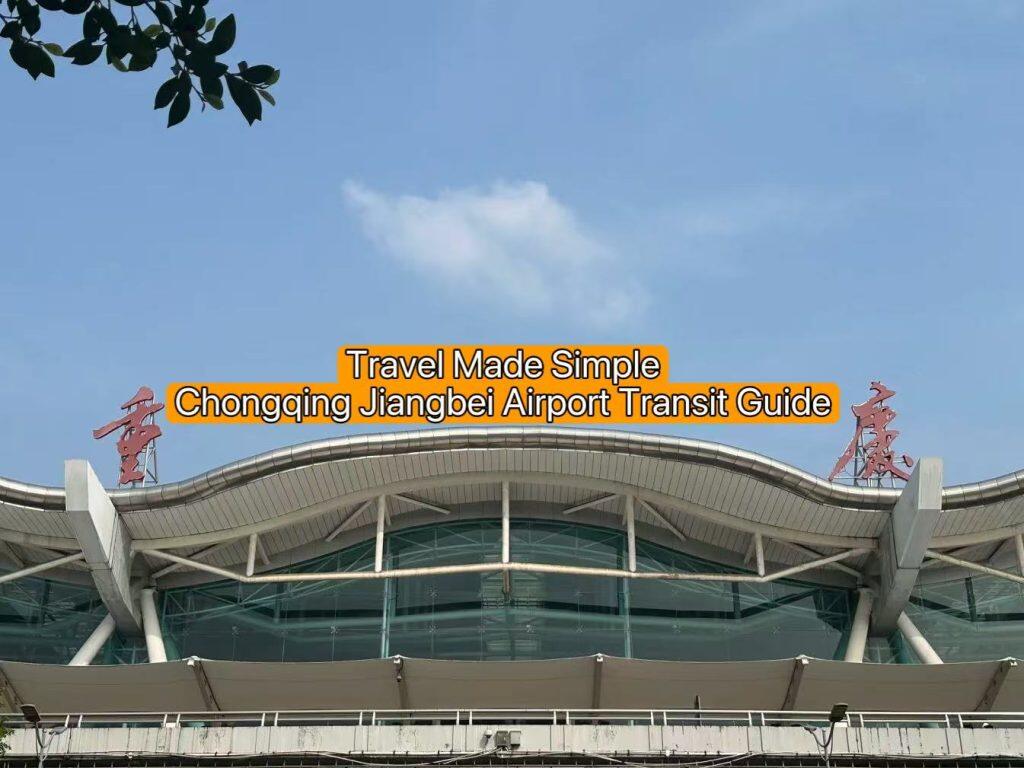
Travel Made Simple: Chongqing Jiangbei Airport Transit Guide