Hello, I’m Lila Jiang, a 28-year-old professional travel creator with over a decade of industry experience. Having traveled extensively across China and beyond, I’m passionate about uncovering authentic local cultures, discovering underrated hidden attractions, and sharing real, practical travel stories that help every traveler explore destinations in depth. Today, I will take you to explore the cultural charm and historical treasures of the Guangdong Museum. From splendid Lingnan cultural relics and ancient maritime trade artifacts to unique natural specimens and traditional Cantonese craftsmanship, we’ll walk through thousands of years of local history and witness the profound heritage of southern China.
Introduction
Quick Facts: Guangdong Museum
- Location: Zhujiang New Town, Tianhe District, Central Guangzhou, China
- Built: Founded in 1957, new venue opened in 2010
- Size: 67,000 sq.m, 5 floors with over 20 exhibition halls
- Peak Season: July–August, weekends and public holidays
- Key Tip: Free admission | Book tickets 7 days in advance | No on-site sales
- Best Time to Visit: 9:30 am (avoid crowds)
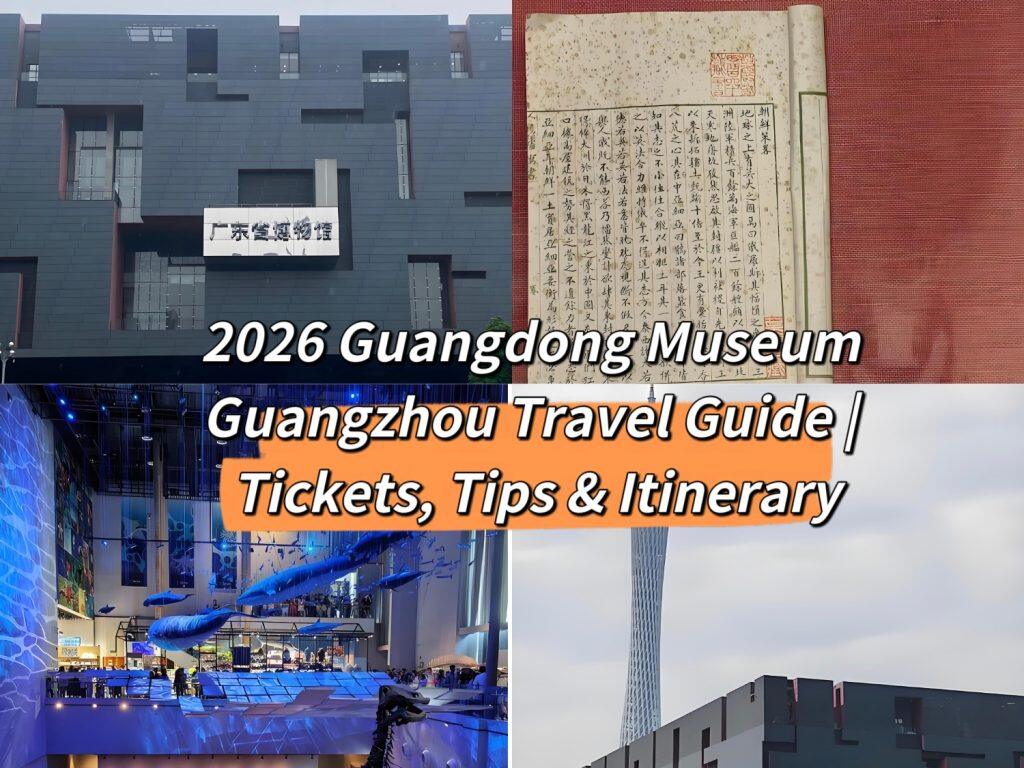
Guangdong Museum is located in the bustling Zhujiang New Town, the central business district of Guangzhou. As the top-level comprehensive provincial museum in South China, it boasts a unique modern “treasure box” architectural design and stands as a landmark cultural building along the Pearl River. With a collection of more than 170,000 cultural relics and natural specimens, the museum fully records the evolution of Lingnan civilization, ancient maritime trade development, local folk customs and natural ecological changes. It preserves precious relics from prehistoric times, the ancient Yue Kingdom, the prosperous maritime trade era, and modern southern China. Every exhibition hall tells the unique story of Guangdong’s history, culture and nature. Few cultural venues in southern China can display such complete and diverse regional heritage, making Guangdong Museum an essential must-visit spot for culture lovers and overseas travelers.
Tickets & Opening Hours
2026 Guangdong Museum ticket booking requires advance planning—here’s all you need to know about official online tickets and visiting rules.
- Tickets: Free entry for all visitors. Must book online 7 days in advance via the official WeChat mini-program “Guangdong Museum”. No on-site ticket sales. Free for kids under 1.4m, students and senior visitors.
- Payment for tickets: No admission fee. Alipay, WeChat Pay or international credit cards (Visa, Mastercard) are acceptable for optional paid special exhibitions.
- Opening Hours: 9:00 am–5:00 pm (last entry 4:00 pm) Tuesday to Sunday. Closed every Monday (except public holidays).
- Note for international travelers: The official WeChat mini-program supports English language. You can change or cancel your reservation 24 hours before your visit with no cancellation fee. A valid passport is required for entry check.
Main Scenic Areas & Attractions
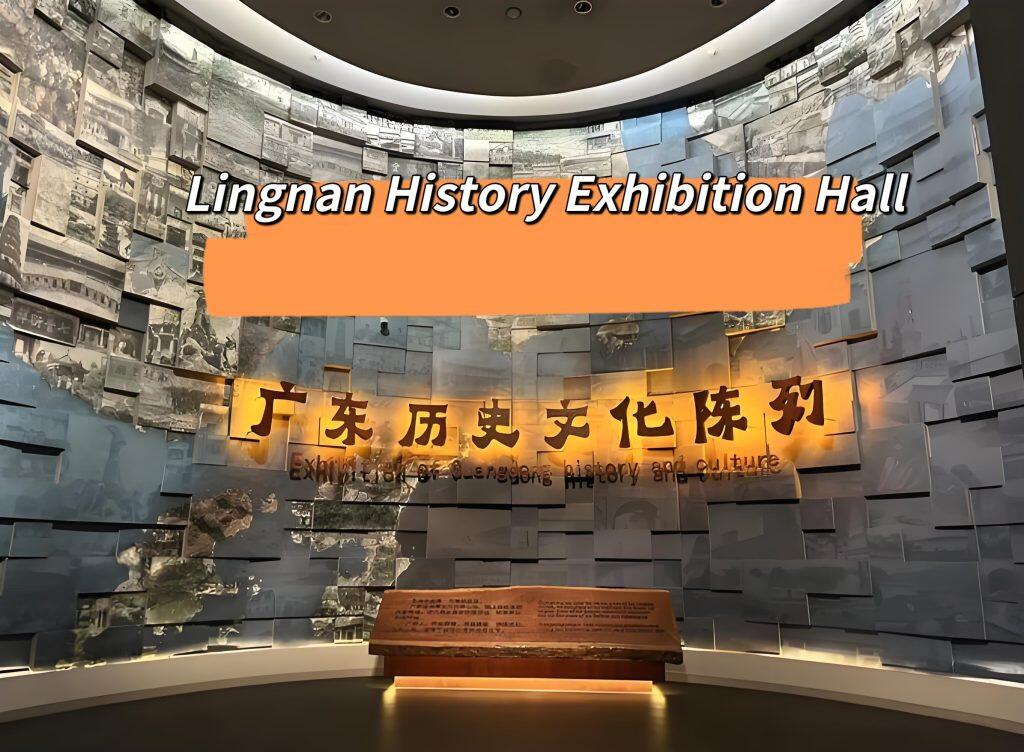
Lingnan History Exhibition Hall
The core and most important exhibition area of the museum. It systematically showcases the complete historical development of the Lingnan region, covering ancient Yue culture, cultural integration, maritime economic prosperity and modern urban development. A large number of pottery, bronze artifacts and daily utensils restore the real life, customs and historical changes of ancient Guangdong people.
Marine Fossil & Prehistoric Hall
One of the museum’s most popular highlight halls. It features rare prehistoric marine fossils, dinosaur specimens and ancient biological relics. The towering ichthyosaur fossil display is the signature attraction, presenting the mysterious ecological landscape of South China millions of years ago. It is highly educational and suitable for visitors of all ages.

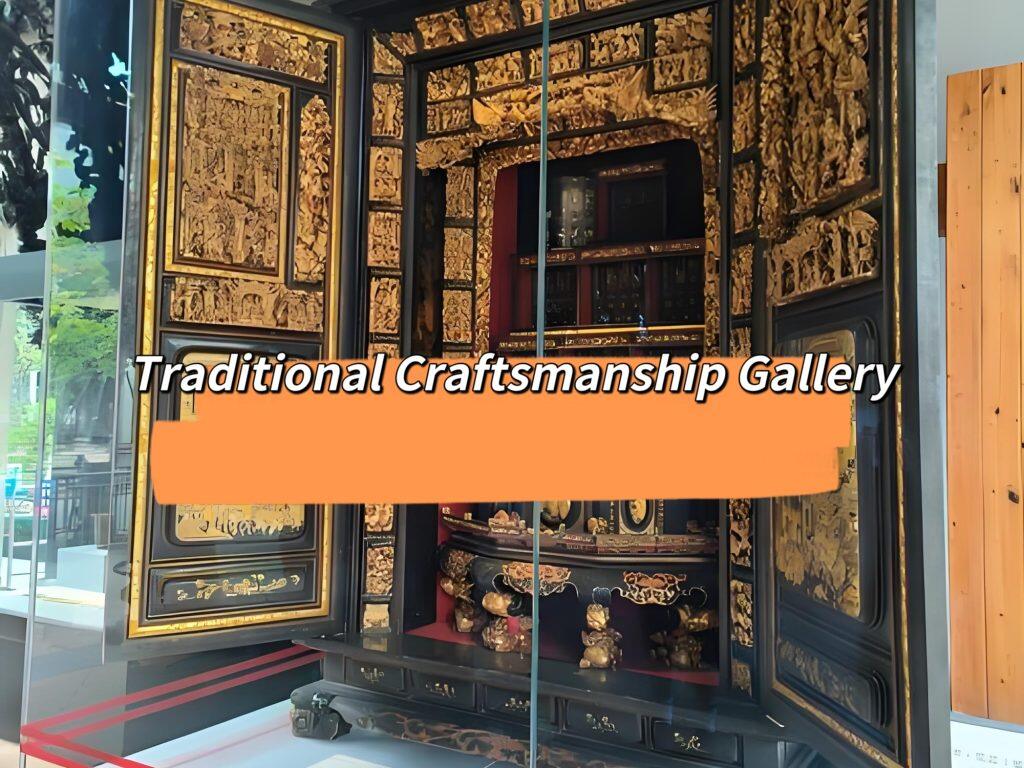
Traditional Craftsmanship Gallery
This exhibition area collects top-tier Lingnan traditional art treasures, including Cantonese ivory carving, Shiwan pottery, Guangcai porcelain, wood carving and delicate Cantonese embroidery. These exquisite artworks fully reflect the superb craftsmanship and elegant aesthetic of ancient Lingnan artisans, displaying the unique charm of southern Chinese folk art.
Nature & Biodiversity Hall
A professional natural science exhibition zone that displays typical subtropical flora, fauna and ecological specimens of Guangdong. It simulates local forests, wetlands and coastal ecological environments, vividly showing the rich biodiversity and natural resources of southern China.
Temporary Special Exhibition Area
Located on the top floor, this area hosts rotating high-quality themed exhibitions all year round, covering ancient civilizations, painting and calligraphy, cultural exchange and archaeological achievements. All special exhibitions are included with regular reservation, bringing fresh cultural experiences for repeat visitors.
Transportation
Figuring out how to get to Guangdong Museum is easy with our guide—we break down the best subway, bus and taxi options.
🚇Subway: Take Line 3 or Line 5 to Zhujiang New Town Station (Exit C). Walk 8–10 minutes south to Huacheng Square, then reach the museum entrance.
🚌Bus: Buses 40, 44, 194, 293 stop at Huacheng Square Station. Walk 5 minutes to the museum.
🚕Taxi: Ask to go to “Guangdong Museum, Zhujiang New Town”. It’s a well-known local landmark, so drivers in Guangzhou know it well. Cost from downtown Guangzhou is around 25–40 RMB (~3.5–5.5 USD).
How to buy tickets on arrival: No on-site tickets or walk-in entry. Book online in advance through official platforms.
If you take a taxi from Guangzhou Baiyun International Airport to Guangdong Museum, the cost is around 90-110 RMB (≈12.5-15.3 USD) and takes 45-50 minutes. From Guangzhou South Railway Station, the taxi cost is about 40-50 RMB (≈5.5-6.9 USD) with a 30-minute drive.
Experience & Activities
Guided Tours:
English-speaking tours are available. Book online via the official website or through travel platforms (e.g., Ctrip) 1–3 days in advance.
Cost: 200–300 RMB (~27.8–41.7 USD) per group.
Audio Guides:
Rent at the main entrance service desk for 40 RMB (~5.5 USD) with a passport. They have 40+ languages, including English, covering detailed explanations of all exhibition halls and key relics.
Public Cultural Lectures:
Free themed history and art lectures are held on weekends. Free with valid reservation; no need to book in advance. Arrive early to secure a seat.
Practical Tips & Etiquette
- No smoking, eating, or drinking in the exhibition halls (only in designated areas).
- Don’t touch artifacts or display facilities—fines up to 2,000 RMB (~278 USD).
- Weekends and summer holidays have heavy visitor flow—arrive by 9:30 am to avoid long queues.
- Wear comfortable shoes—you’ll walk 3–4 hours to explore all exhibition areas.
- Flash photography and tripods are prohibited to protect cultural relics.
- Following these museum etiquette rules is key to a smooth visit—these tips will make your cultural exploration more enjoyable.
- Free lockers are available at the main entrance (free of charge) for large luggage—big bags are not allowed inside exhibition halls. Also, free drinking water stations are set on every floor, so bring a reusable water bottle to save money.
Food
Inside the Guangdong Museum:
Small cafes on the first floor sell simple sandwiches (35 RMB/~4.9 USD), bottled water (5 RMB/~0.7 USD), and light snacks. Indoor catering options are limited.
Nearby (within 1km):
- “Zhujiang New Town Cantonese Tea House”: Famous for authentic Cantonese morning tea and classic local dishes. A meal for 2: ~260 RMB (~36.1 USD).
- “Lingnan Local Restaurant”: Features traditional Guangdong soups and rice dishes. Price: ~120 RMB/~16.7 USD for 2.
- Street food near Huacheng Square: Milk tea (15 RMB/~2.1 USD), egg tarts (10 RMB/~1.4 USD), and traditional Cantonese desserts.
With this guide, you’ll know the best time to visit Guangdong Museum and make the most of your Lingnan cultural and historical experience in 2026.

Lila Jiang
She is Lila Jiang, a 28-year-old girl.
With over 10 years in the travel industry, she’s chased wanderlust near and far;
what she loves most is diving into local cultures,
finding hidden gems, and connecting with people who bring journeys to life.
Essential Guangzhou Travel Resources
1、Core Guangzhou Attractions
China Trip Fun: Chimelong Resort Ultimate Guide
Canton Tower : Your Guide& Tips
China Trip Must-Visit: Pearl River Cruise Guide
China Trip: Chen Clan Ancestral Hall Guide
Timeless Nanyue King Museum Guide for China Trip
2026 Chimelong Safari Park Guide: Complete Travel Tips for Guangzhou’s Wildlife Paradise
2026 Yuexiu Park Travel Guide: Guangzhou’s Iconic Urban Green Space & Historic Landmark
2026 Guangdong Museum Guide:Explore Guangzhou’s Top History & Art Hub
2026 Shameen Island Travel Guide: A European-Style Escape in Guangzhou, China Trip
2026 Guangdong Science Center Travel Guide: A Journey of Science & Innovation in Guangzhou, China Trip2、Must-Stay Guangzhou Hotels
Guangzhou Luxury Hotels Guide 2026: Top 10 5-Star Hotels for Your China Travel 2026
Guangzhou Top 10 Family Hotels 2026: Complete Local Guide for Parents Traveling with Kids
Guangzhou Top 10 View Hotels 2026: Complete Local Guide to the City’s Best Scenic Stays
Top 10 Local Charm Hotels in Guangzhou 2026: Historic Stays on Shamian Island & Old Liwan
Guangzhou’s Top 10 Internet-famous check-in hotel:Explore this Fascinating City
3、Must-Try Guangzhou Food & Local Eats
Guangzhou Food Guide: Savor the Authentic Cantonese Flavors of China’s Culinary Capital
4、Local Guangzhou Transportation
Your Perfect Guide to the Guangzhou Metro Map
2026 Guangzhou Airport Guide: Complete CAN Transport Handbook