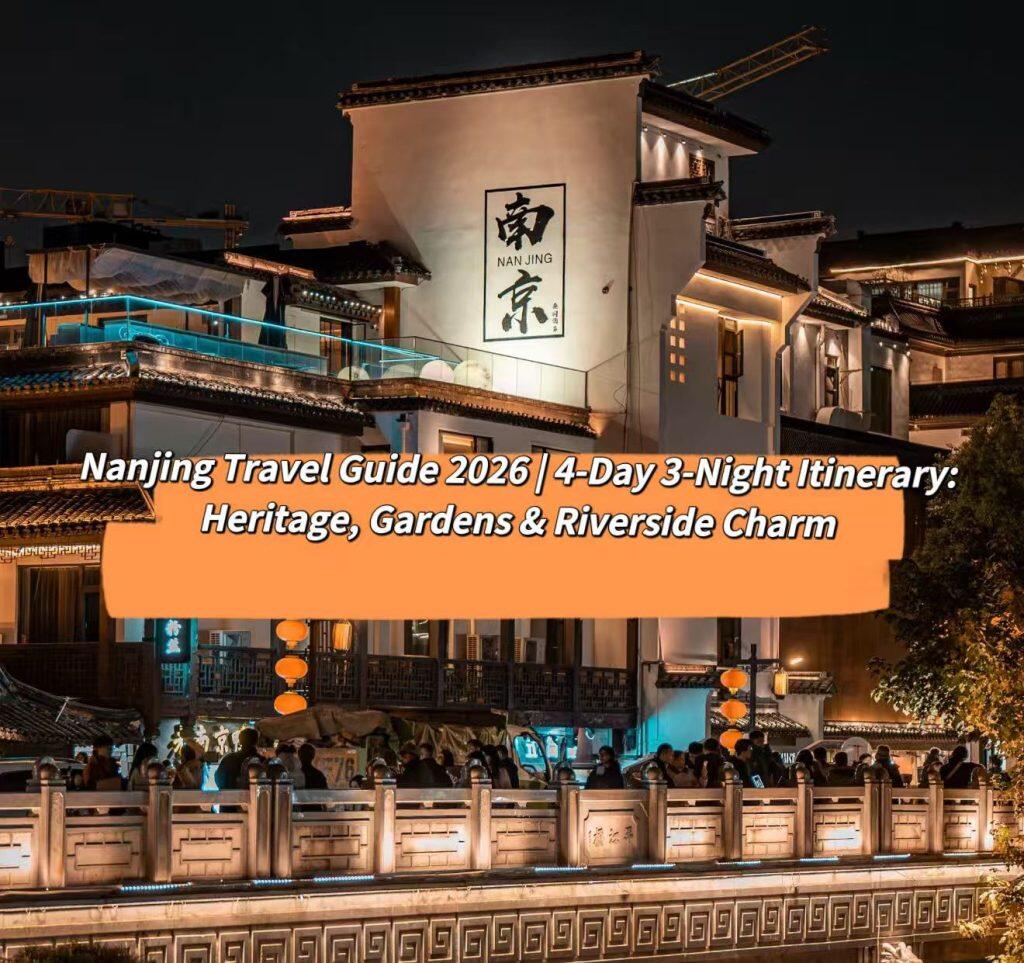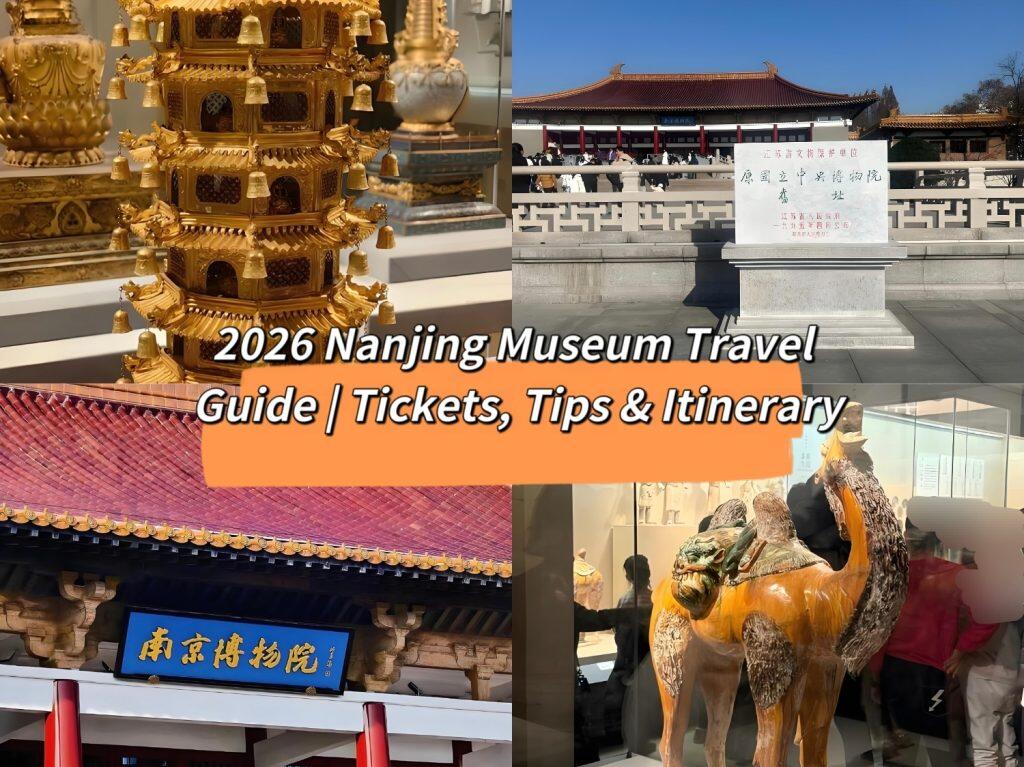
Hello, I’m Lila Jiang, a China travel expert with over 10 years of experience. If you love history and art, Nanjing Museum is non‑negotiable. It’s one of China’s three major national museums, known as the “Southern Palace Museum.” This isn’t just a museum—it’s a 5,000‑year time machine holding 400,000 relics. This guide is your Nanjing Museum travel guide 2026, crafted for your unforgettable Nanjing Museum trip 2026.
Nanjing Museum 2026: China’s National Museum Masterpiece
Quick Facts: Nanjing Museum
- Location: South Foot of Purple Mountain, Inside Zhongshan Gate, Nanjing, Jiangsu Province
- Founded: 1933 (Republic of China era)
- Size: 70,000 sq.m building area, over 400,000 cultural relics
- Peak Season: March–May, September–November (spring & autumn)
- Key Tip: Free admission with 7-day advance online reservation
- Best Time to Visit: 9:00 am (avoid crowds; enjoy morning light in exhibition halls)
Nanjing Museum is one of China’s three major national museums and a 5A-level cultural attraction. Nestled at the southern foot of Purple Mountain, it blends traditional Chinese palace architecture with modern design, earning the reputation of “Palace Museum of the South.” Founded in 1933, it has evolved into a comprehensive museum integrating collection, research, exhibition, and public education. With over 400,000 cultural relics spanning from ancient times to the modern era—including 18 national treasures—it vividly showcases the historical context of the Yangtze River Delta and the splendid civilization of China. As a witness to Nanjing’s 5,000-year history, it’s a must-visit for culture lovers and history enthusiasts.
Nanjing Museum 2026: Free Tickets & Reservation Guide
Official Opening Hours 2026
- Tuesday–Sunday: 9:00 AM – 5:00 PM (last entry 4:00 PM)
- Monday: Closed (open on public holidays)
2026 Ticket Info
- Permanent Exhibits: Free (7‑day advance reservation required)
- Special Exhibits: $4–$11 extra
Reservation Tip: Book via official English mini‑program 7 days early (releases 6 PM daily). Passport required for entry. No walk‑ins allowed.
Nanjing Museum 2026: Top 5 Unmissable Exhibition Halls
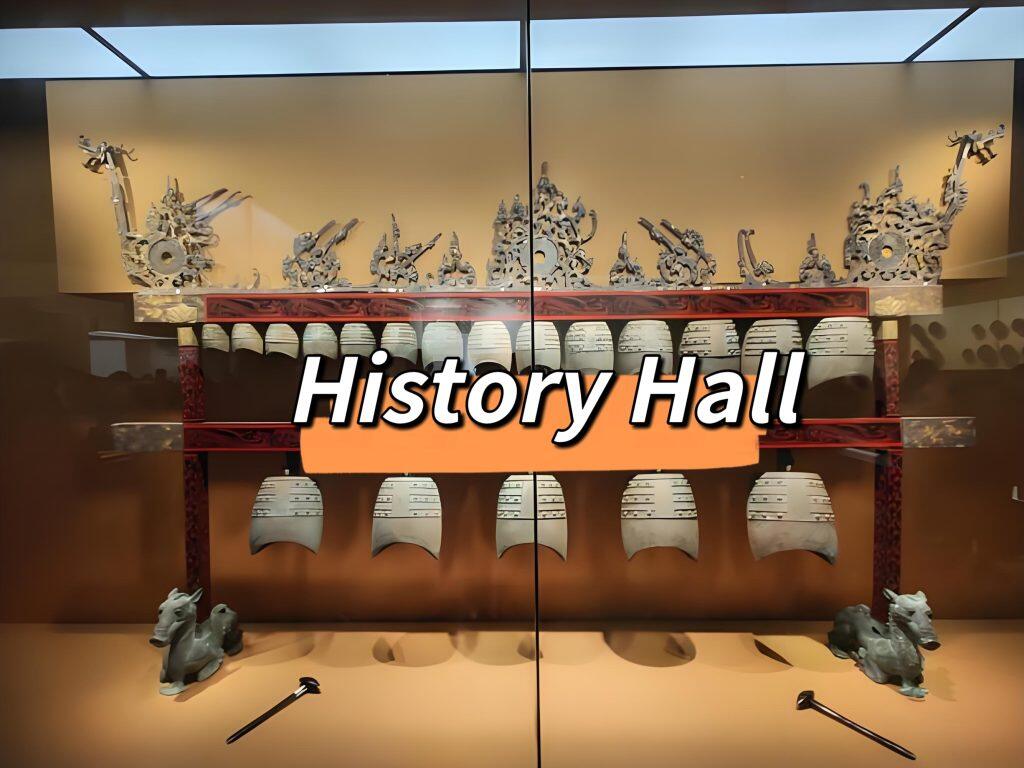
History Hall 2026
The core exhibit with 6 galleries showcasing 5,000 years of Jiangsu history. Highlights include 30‑million‑year‑old mammoth fossils, Shang‑Zhou bronze wares, and Tang‑Song ceramics. Every relic tells a story of ancient Yangtze civilization. The detailed English labels make it easy to follow China’s timeline.
Republic of China Hall 2026
The most popular immersive hall! A full 1912–1949 Nanjing street replica with European buildings, old teahouses, and vintage shops. Walk through old photo studios and bookstores to feel 1920s Nanjing’s bustle. The simulated sky and street lamps make it surreal.
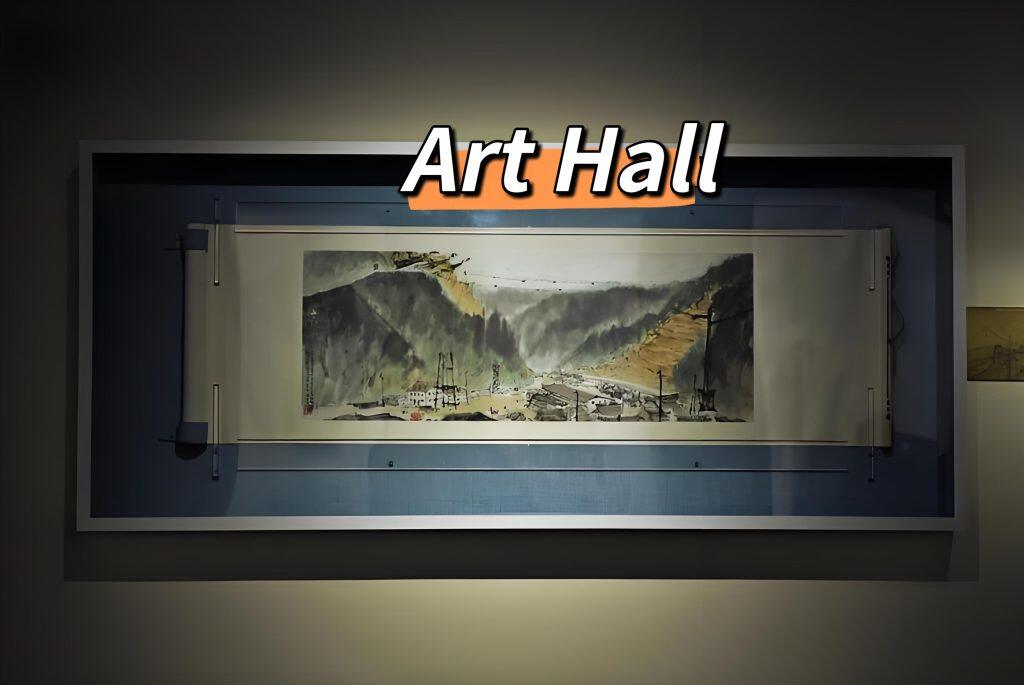
Art Hall 2026
A treasure of Chinese art: calligraphy, paintings, jade, and gold artifacts. Masterpieces by Wang Xizhi and Zheng Banqiao hang here. Tang‑Qing porcelain and delicate jade carvings showcase ancient Chinese craftsmanship. Art lovers will spend hours here.
Intangible Cultural Heritage Hall 2026
Live folk art demonstrations: paper‑cutting, shadow puppetry, and Jiangsu embroidery. Watch masters create art right in front of you. Interactive workshops let you try traditional crafts. Great for kids and culture fans.
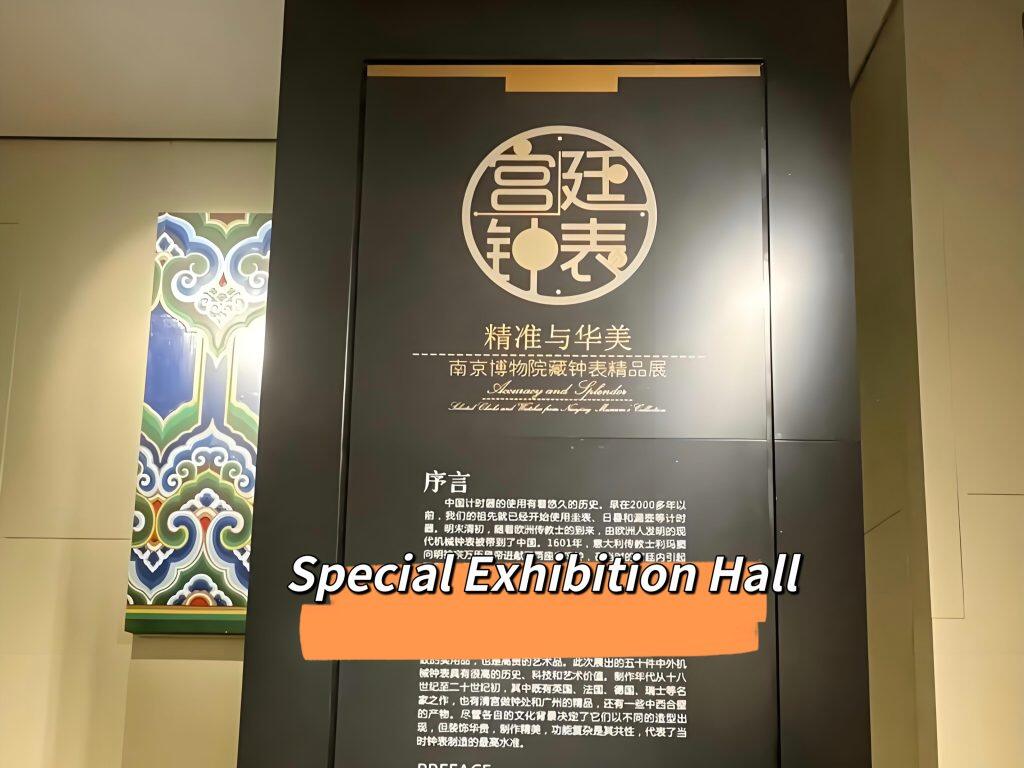
Special Exhibition Hall 2026
Rotating rare exhibits (Egyptian artifacts, Song paintings). Check the official schedule—these limited shows feature treasures you won’t see elsewhere.
Nanjing Museum 2026: Easy Transportation Guide
Getting to Nanjing Museum from downtown Nanjing is convenient with multiple options.
🚇 Subway (Recommended)
- Take Line 2 to Minggugong Station (Exit 1) → Walk 300 meters east to the museum entrance.
- Take Line 4 to Zhongshanmen Station (Exit 2) → Walk 500 meters west to the entrance.
🚌 Bus
- Buses 5, 29, 36, 55, 201 stop at Nanjing Museum Station → Walk 2 minutes to the entrance.
🚕 Taxi
- Ask for “Nanjing Museum (Zhongshanmen)” → Drivers are familiar with the location.
- Cost from downtown Nanjing: 25–40 RMB (~3.5–5.5 USD).
From Airports/Railway Stations:
- Nanjing Lukou International Airport → Museum: 40 mins by taxi (80–100 RMB/~11.1–13.9 USD); or take Airport Express to Nanjing South Railway Station, then Line 2 subway.
- Nanjing South Railway Station → Museum: 25 mins by subway Line 2 (5 RMB/~0.7 USD).
Nanjing Museum 2026: Immersive Cultural Experiences
Guided Tours
- English-speaking tours: Book online 1–3 days in advance via the official website or Ctrip.
- Cost: 200–300 RMB (~27.8–41.7 USD) per group (max 10 people).
Audio Guides
- Rent at the main entrance for 40 RMB (~5.5 USD) with a passport.
- Supports 40+ languages, including English, with detailed introductions to key relics.
Cultural Performances
- Traditional opera shows: Held daily (10:30 am, 2:30 pm) in the old teahouse of the Republic of China Hall—free with admission.
- Intangible cultural heritage demonstrations: Paper-cutting, woodblock printing, and jade carving shows at 11:00 am and 3:00 pm daily.
DIY Workshops
- Traditional craft workshops (paper-cutting, fan painting, clay modeling) on weekends—book in advance via the official mini-program. Cost: 50–80 RMB (~6.9–11.1 USD) per person.
Nanjing Museum 2026: Local Expert Insider Tips
- No smoking, eating, or drinking in exhibition halls (only in designated rest areas).
- No touching artifacts, leaning on display cases, or using selfie sticks—fines up to 2,000 RMB (~278 USD).
- Photography rules: No flash photography; tripods are prohibited in exhibition halls.
- Crowd control: The museum is busy on weekends and holidays—arrive by 9:00 am for a quieter visit.
- Walking shoes: Wear comfortable shoes—you’ll walk 3–4 hours to cover all key halls.
- Luggage storage: Free lockers at the main entrance for large bags (not allowed in exhibition areas).
- Free water: Drinking water stations near the History Hall and Art Hall—bring a reusable bottle.
FAQ: Nanjing Museum 2026
Q: Do I need to reserve tickets in advance?
A: Yes, 7‑day advance reservation is mandatory for free entry. No walk‑ins. The English mini‑program makes booking easy. Slots release at 6 PM daily and fill fast, so book right away. Passport is required for entry verification.
Q: How long should I plan for a full visit?
A: 3–4 hours minimum. Explore History Hall, Republic Hall, and Art Hall. Add 1 hour for workshops/shows. Don’t rush—every relic and immersive corner deserves time.
Q: Is English available for exhibits?
A: Yes! All major exhibits have clear English labels. English audio guides and tours are available. No language barriers for foreign visitors.
Q: Is it suitable for kids/elderly?
A: Very suitable. Flat, barrier‑free paths. Kids love the Republic Hall and craft workshops. Elderly enjoy slow history exploration and rest benches.
Nanjing is where ancient and modern China meet, and Nanjing Museum is its cultural heart. Here, 5,000 years of relics whisper stories, the Republic Hall revives old Nanjing, and artworks shine with Chinese craftsmanship.
I sincerely invite you to come to Nanjing in 2026, explore this national treasure, and feel the depth of Chinese history and art.
Welcome to China, welcome to Nanjing, welcome to Nanjing Museum.

Lila Jiang
She is Lila Jiang, a 28-year-old girl.
With over 10 years in the travel industry, she’s chased wanderlust near and far;
what she loves most is diving into local cultures,
finding hidden gems, and connecting with people who bring journeys to life.
Essential Nanjing Travel Resources
1、Core Nanjing Attractions
NiuShou Mountain Cultural Tourism Zone:A Travel Guide
China Trip Tip: Nanjing Hongshan Zoo Guide
Zhongshan Scenic Area Guide for Your China Trip
China Trip Must-Explore: Confucius Temple Scenic Guide
Timeless Grand Bao’en Temple Guide for China Trip
2026 Nanjing Museum Guide: Complete Tour of China’s Top Nation Historical Museun
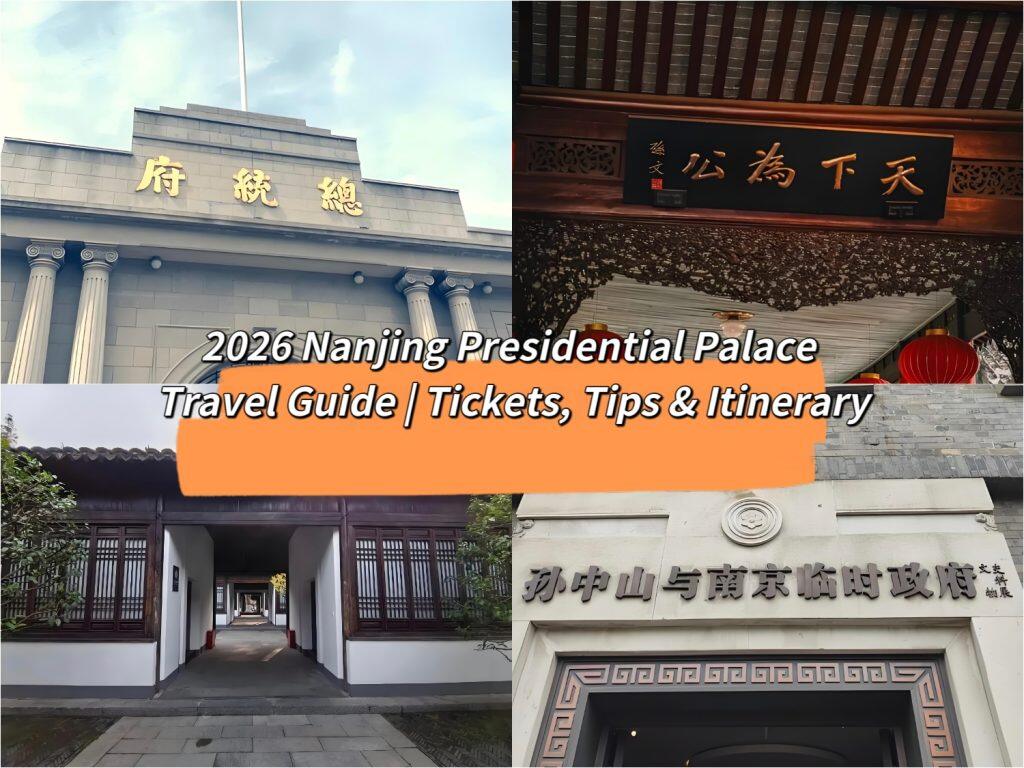
2026 Nanjing Presidential Palace Travel Guide:Step Into China’s Modern Political History
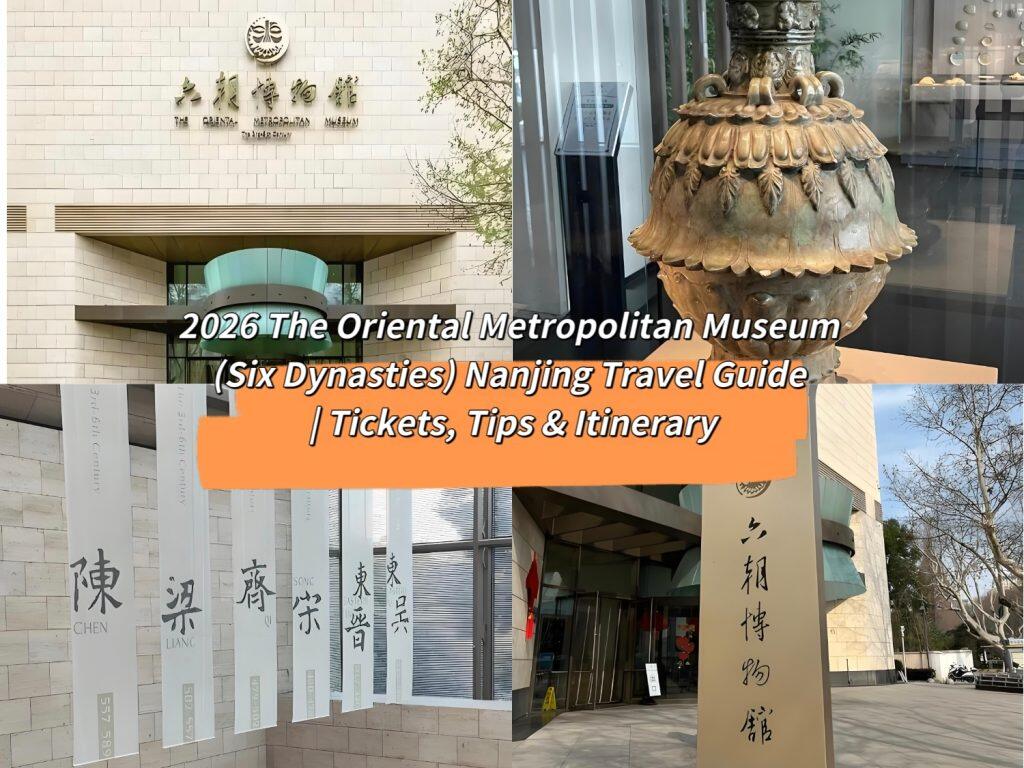
2026 Oriental Metropolitan Museum Guide: Trace Six-Dynasty Culture in Nanjing
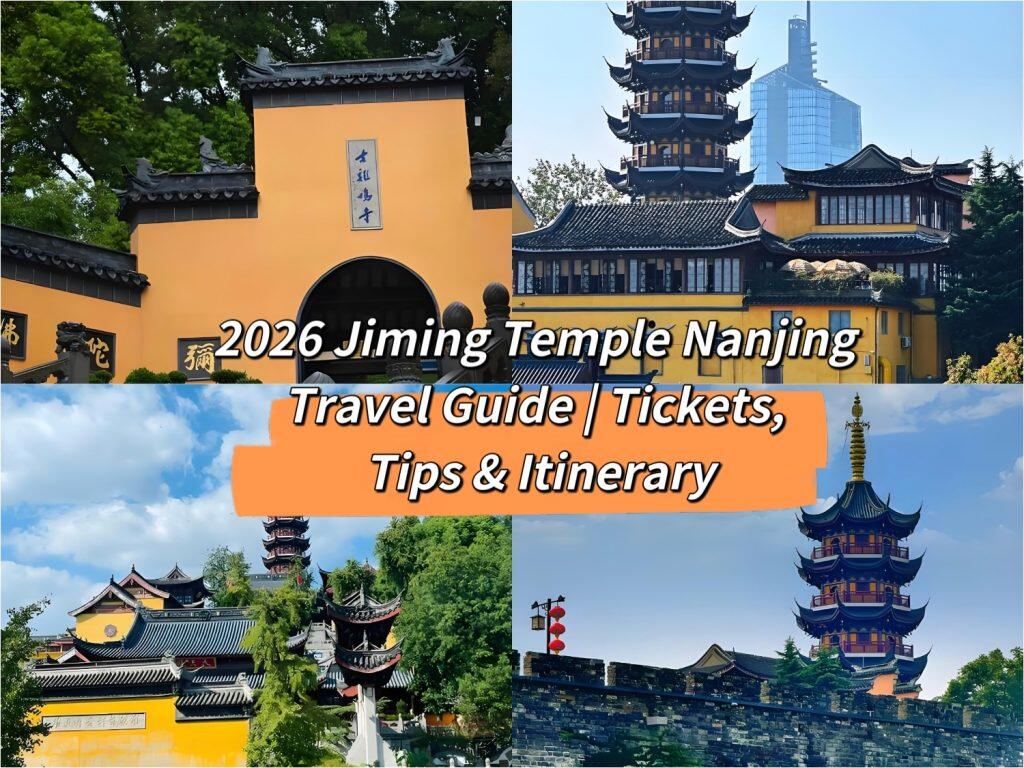
2026 Jiming Temple Nanjing Guide: Discover the City’s Famous Ancient Buddhist Shrine
2、Must-Stay Nanjing Hotels
Nanjing Top 6 Luxury Hotels:A Ultimate Guide
Nanjing’s Top 10 family-friendly hotels:A Wonderful Guide
Nanjing’s Top 10 Scenic Hotels:Explore this Picturesque City
Nanjing’s Top 10 local-style hotels:Your Perfect Guide
Nanjing’s Top 10 Internet-famous check-in hotels:Enjoy the Wonderful Time
3、Must-Try Nanjing Food & Local Eats
Nanjing Food Guide: Savor the Authentic Flavors of China’s Ancient Capital
4、Local Nanjing Transportation
NKG Airport Travel Guide: Metro to Downtown & Authentic Jiangsu Flavors