Hey everyone, Mia Chen here — your go‑to China travel insider with years of hands‑on guiding experience. It’s no exaggeration; almost every visitor leaves Nanjing carrying an indescribable soft impression of this ancient capital. I used to only know Nanjing through history books and classic verses. But the moment I strolled beneath the old sycamore trees and watched lantern light ripple across the Qinhuai River, something clicked. This city creeps into your heart, in the most touching way.
I’ve roamed historical destinations all over China, yet Nanjing stands apart for me. It doesn’t chase flashy, eye‑catching modern glamour. Nestled beside the Qinhuai River, shaded by centuries‑old trees, it bears witness to layers of dynastic rise and fall. It seems to murmur to every guest: “Pause for a while, and let history unfold before you.”
Let me take you on a 4‑day‑3‑night journey to experience Nanjing’s one‑of‑a‑kind vibe — that hard‑to‑name blend of solemn history, poetic river‑side scenery and genuine local everyday warmth.
Pre-trip Essential Tips for Nanjing 2026
Visa & Entry Policy Updates 2026
Nanjing fully implements China’s 2026 universal visa-free policy for most foreign nationalities, allowing eligible passport holders to stay visa-free for up to 30 days until late 2026. This policy covers all leisure travel, cultural exploration and short city tours in Nanjing, with no need to apply for a Chinese tourist L-visa in advance. For international travelers taking connecting flights via Chinese airports, the 144-hour visa-free transit policy is valid in Jiangsu Province, enabling you to explore Nanjing’s core historical and scenic spots with a valid onward flight ticket only. Policy adjustments may occur during peak tourist seasons, so always double-check the latest official announcements from Chinese embassies and consulates before booking flights and accommodation to ensure a smooth entry.
Foreign Travelers’ Exclusive Local Hacks
Physical passport is mandatory for all scenic checks. Unlike European tourist cities that accept digital IDs, all cultural relic sites, city wall access points, museum reservations and historical scenic spots in Nanjing strictly require original physical passports. Digital copies, scanned files or phone photos are not acceptable for ticket verification and security checks. Keep your passport in a secure, portable pouch at all times during your daily sightseeing.
Unique cultural site closure rules. Nanjing’s core historical museums and cultural venues follow a fixed maintenance schedule: most municipal museums and heritage exhibition halls close on Mondays (excluding national public holidays). Natural scenic spots, city walls and commercial ancient streets remain open all year round. This itinerary is specially tailored for foreign visitors, avoiding Monday-closed venues to maximize your sightseeing efficiency without wasted trips.
No tipping etiquette in local culture. Tipping is neither customary nor expected in Nanjing for hotel staff, restaurant servers, taxi drivers and tour guides. Local service industries operate on standardized service systems, and tipping may even cause cultural awkwardness. Enjoy your trip without worrying about extra tipping costs.
International payment solutions. Major chain hotels, large shopping malls and official scenic ticket offices accept foreign Visa, Mastercard and Amex cards directly. For local snacks, street stalls, boutique souvenir shops and small homestays, download and activate Alipay Tour Pass before arrival. Bind your international credit card and passport to complete mobile payments seamlessly. It is recommended to prepare a small amount of RMB cash for old alley snack stalls and manual craft stores that do not support mobile payment.
Seasonal travel & packing guide. Nanjing features a distinct four-season temperate climate with extreme seasonal characteristics. Summer is hot and humid, while winter is cold and damp with no central heating. Spring (March–May) and autumn (October–November) are the most comfortable travel seasons with mild temperatures and blooming scenery. Pack breathable quick-dry clothes, sun protection gear and portable fans for summer visits; bring thick warm layers and windproof coats for winter travel. Comfortable walking shoes are a must, as most historical attractions require long-distance walking and ancient stone road exploration.
Necessary pre-arrival mobile apps. Download the English version of DiDi for safe and convenient city transfers, Google Translate with an offline Chinese language pack for real-time communication, and offline map software for stable navigation in historic districts with weak network signals. Installing these apps in advance completely eliminates language and navigation barriers for foreign travelers.
4-Day 3-Night In-depth Itinerary (History + Culture + Local Life + Modern City)
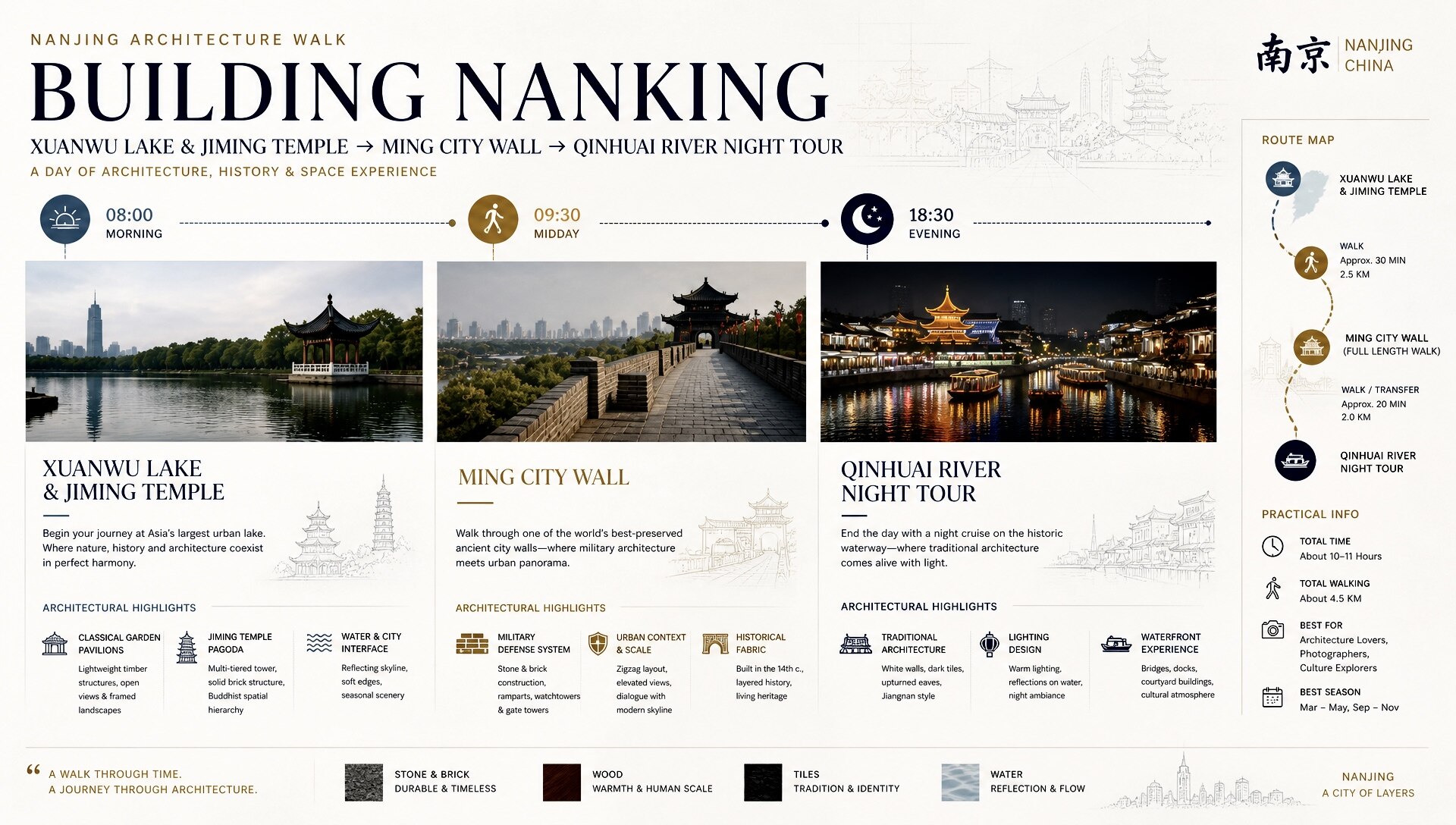
Day 1: Ancient Jinling City Roots – Xuanwu Lake & Jiming Temple → City Wall Hiking → Qinhuai River Night Tour
Daily Focus: Kick off your Nanjing journey with the most authentic ancient capital landscape, explore the coexistence of royal garden scenery and millennium Buddhist culture, and experience the prosperous night customs of the Qinhuai River, the core of Jiangnan culture.
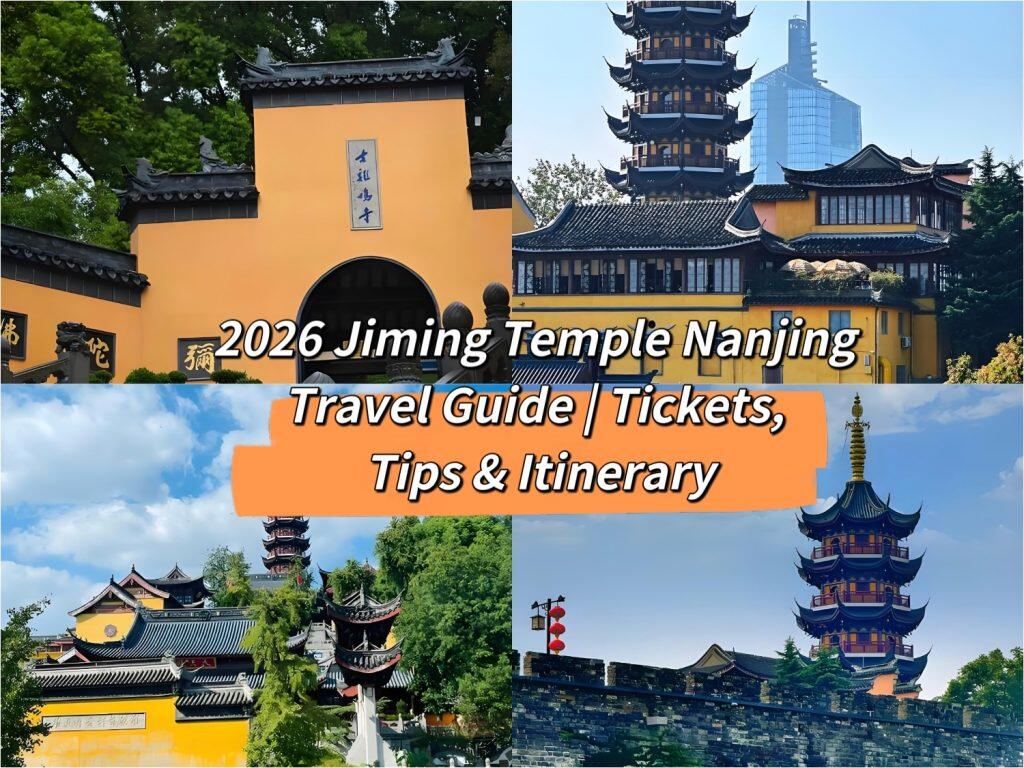
Jiming Temple. Known as the “First Ancient Temple of Southern Dynasties”, it has a history of more than 1,500 years and is one of the oldest and most prestigious Buddhist temples in Nanjing. Unlike noisy commercial temples in other cities, Jiming Temple retains a quiet and solemn Buddhist atmosphere. It witnessed the rise and fall of six ancient dynasties that took Nanjing as their capital. Foreign travelers can admire classic Chinese Buddhist architecture, ancient stone tablets and towering pagodas, listen to the soothing temple bells, and experience the unique Zen culture of southern China. Every spring, the cherry blossoms outside the temple wall bloom brilliantly, forming a world-famous cherry blossom viewing corridor that integrates ancient temples and flowers.
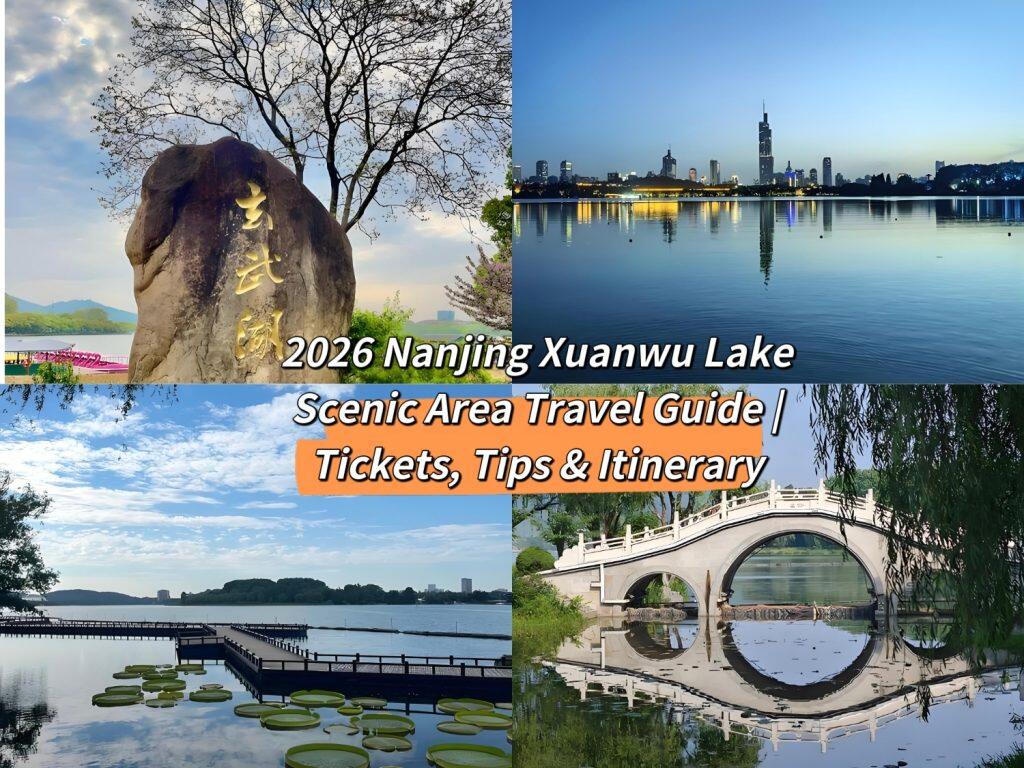
Xuanwu Lake. Adjacent to Jiming Temple and the ancient city wall, this is the largest royal urban lake in Jiangnan and a classic imperial garden with a history of more than 2,000 years. Surrounded by mountains and city walls, the lake has five isolated islands connected by arched bridges and winding corridors. Strolling along the lake bank, you can watch local residents jog, practice Tai Chi and play musical instruments, feeling the slow and peaceful daily life of Nanjing locals. The distant shadow of Zifeng Tower and the ancient city wall set off the gentle Jiangnan water scenery, forming a unique picture of the integration of ancient and modern Nanjing.
Nanjing Ancient City Wall Hiking (North Section). Nanjing owns the longest and best-preserved ancient city wall in the world, built in the Ming Dynasty over 600 years ago. Far more complete than the Great Wall’s urban sections, the city wall retains original city bricks, crenellations and gate towers. Walking on the ancient bluestone wall, you can overlook the panoramic view of Xuanwu Lake and the old urban area, feel the grand military defense culture of ancient Chinese capitals, and understand the superb architectural craftsmanship of the Ming Dynasty craftsmen. Professional guides will explain the historical stories behind the city wall’s construction, military defense functions and brick carving culture, bringing you an in-depth historical experience beyond ordinary sightseeing.
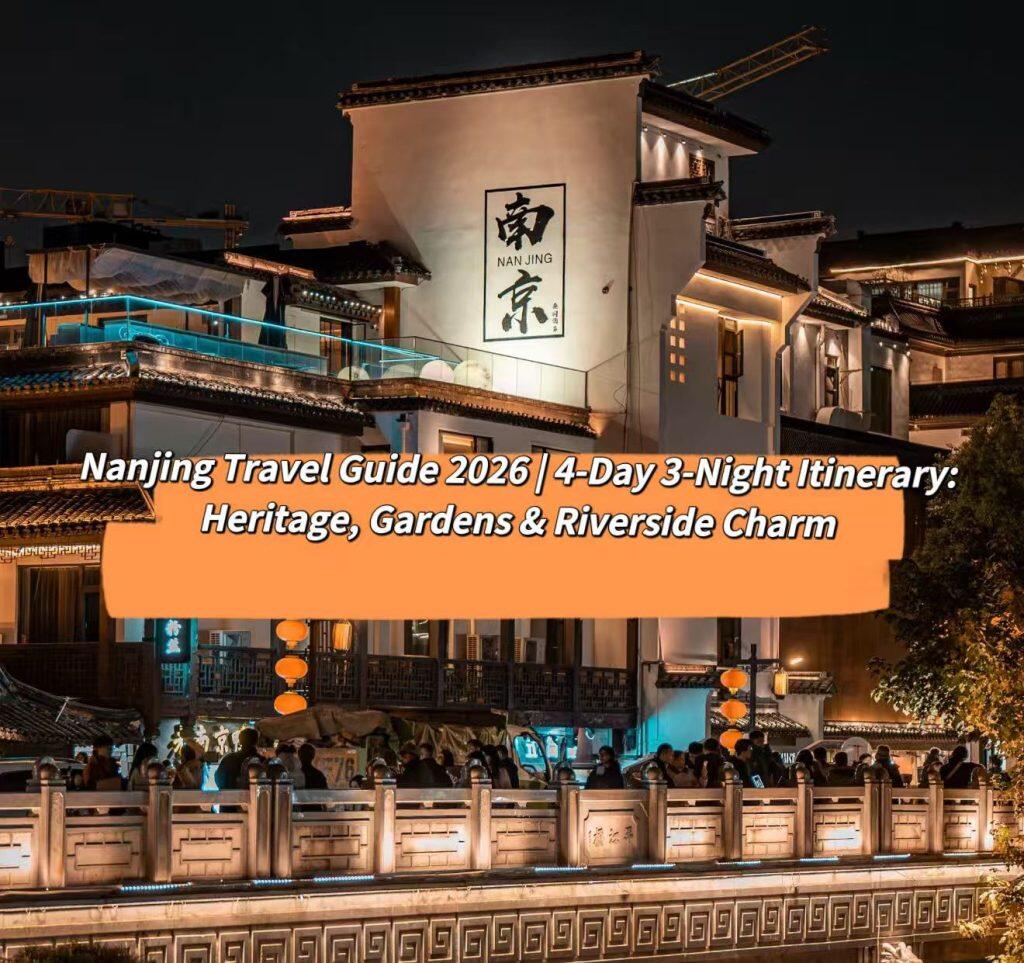
Qinhuai River & Confucius Temple Night Tour. The core highlight of Nanjing’s night travel and the most anticipated cultural experience for foreign tourists. The Qinhuai River is the birthplace of Jinling culture and the most prosperous ancient water town in Jiangnan. As night falls, antique painted boats cruise on the rippling river, with thousands of lanterns lit along the river banks. Ancient pavilions, covered bridges and archways reflect on the water, presenting the classic prosperous scene of “Qinhuai night scenery”. Taking a painted boat cruise, you can listen to explanations of ancient literati stories, imperial examinations culture and Jiangnan folk customs. After the cruise, wander through the Confucius Temple ancient street, taste authentic local snacks, and feel the lively night market atmosphere that has lasted for thousands of years.
Night local experience. Try Nanjing’s classic specialty snacks such as duck blood vermicelli soup, spiced salt duck and crispy fried cakes at old street stalls, and experience the unique dietary culture of Jiangnan region.
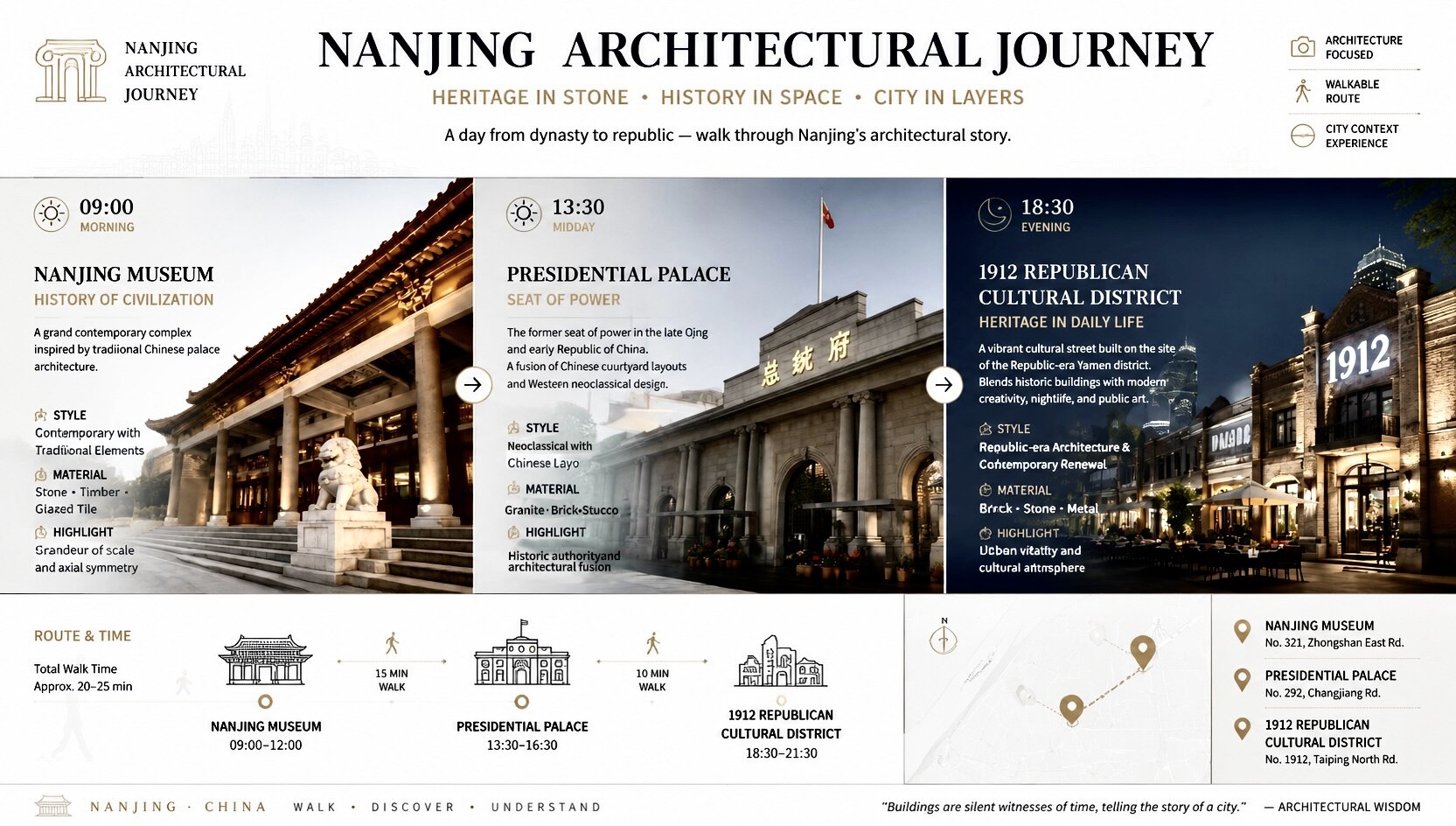
Day 2: Millennium History & Republican Era Charm – Nanjing Museum → Presidential Palace → 1912 Cultural Block Night Stroll
Daily Focus. Dive into 5,000 years of Jiangnan civilization through cultural relics, explore the modern historical heritage of the Republic of China era, and experience the collision of traditional ancient culture and modern republican style.
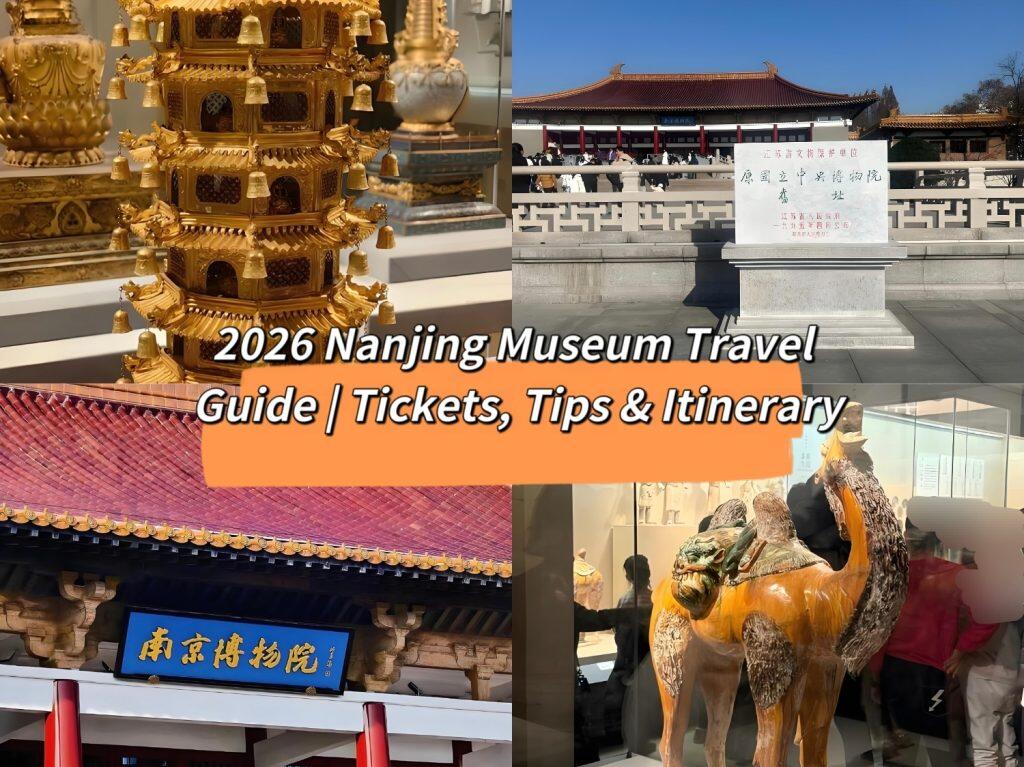
Nanjing Museum. Ranked among China’s top three museums, it is the most authoritative cultural exhibition hall for interpreting Nanjing’s millennium history and Jiangnan civilization, and a must-visit for foreign cultural travelers. Unlike ordinary museums with simple exhibits display, Nanjing Museum perfectly combines ancient architectural complexes and modern exhibition halls. The entire museum adopts traditional Chinese palace-style layout with elegant Jiangnan garden courtyards. It collects hundreds of thousands of precious cultural relics spanning from the Neolithic Age to the Republic of China period, including ancient porcelain, jade articles, calligraphy and paintings, silk fabrics and bronze wares. The most distinctive feature is theintangible cultural heritage live demonstration area, where you can watch real-time performances of traditional puppet shows, Jiangnan embroidery and dough figurine making. The restored 1930s Republic of China street scene in the museum restores the urban style of old Nanjing, allowing foreign travelers to travel through time and feel the historical changes of the ancient capital.
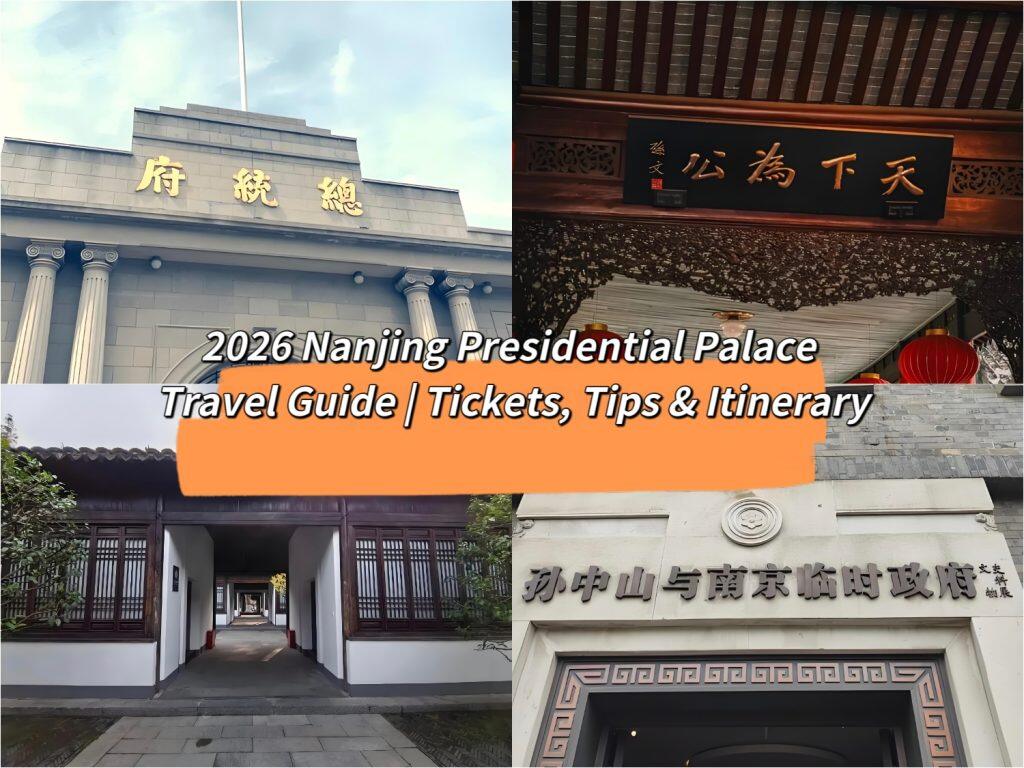
Nanjing Presidential Palace. A landmark historical site integrating ancient official mansion culture and modern republican history, with a history of more than 600 years. It was the official residence of Ming and Qing Dynasty officials and the core office site of the Republic of China government in modern times. The whole scenic area combines classical Jiangnan garden architecture and Western-style modern buildings, forming a unique Sino-Western integrated architectural style. Wandering in the ancient courtyards, western-style office buildings and secret passages, you can learn about the modern historical changes of China, understand the political and cultural development of the early 20th century, and appreciate the unique historical heritage of Nanjing as a modern revolutionary city.
1912 Republic of China Cultural Block. Named after the founding year of the Republic of China, this block is built on the basis of century-old phoenix tree streets and republican-style villas. It perfectly restores the street style of old Nanjing in the 1910s–1930s. The whole block is lined with retro western-style buildings, old street lamps and lush phoenix trees, with themed cafes, western restaurants, literary bookstores and cultural and creative shops. It is the most fashionable and historical leisure block in Nanjing. Foreign travelers can take retro-style photos, taste fusion Chinese and Western food, and experience the unique romantic charm of Nanjing’s integration of Chinese tradition and Western modernity.
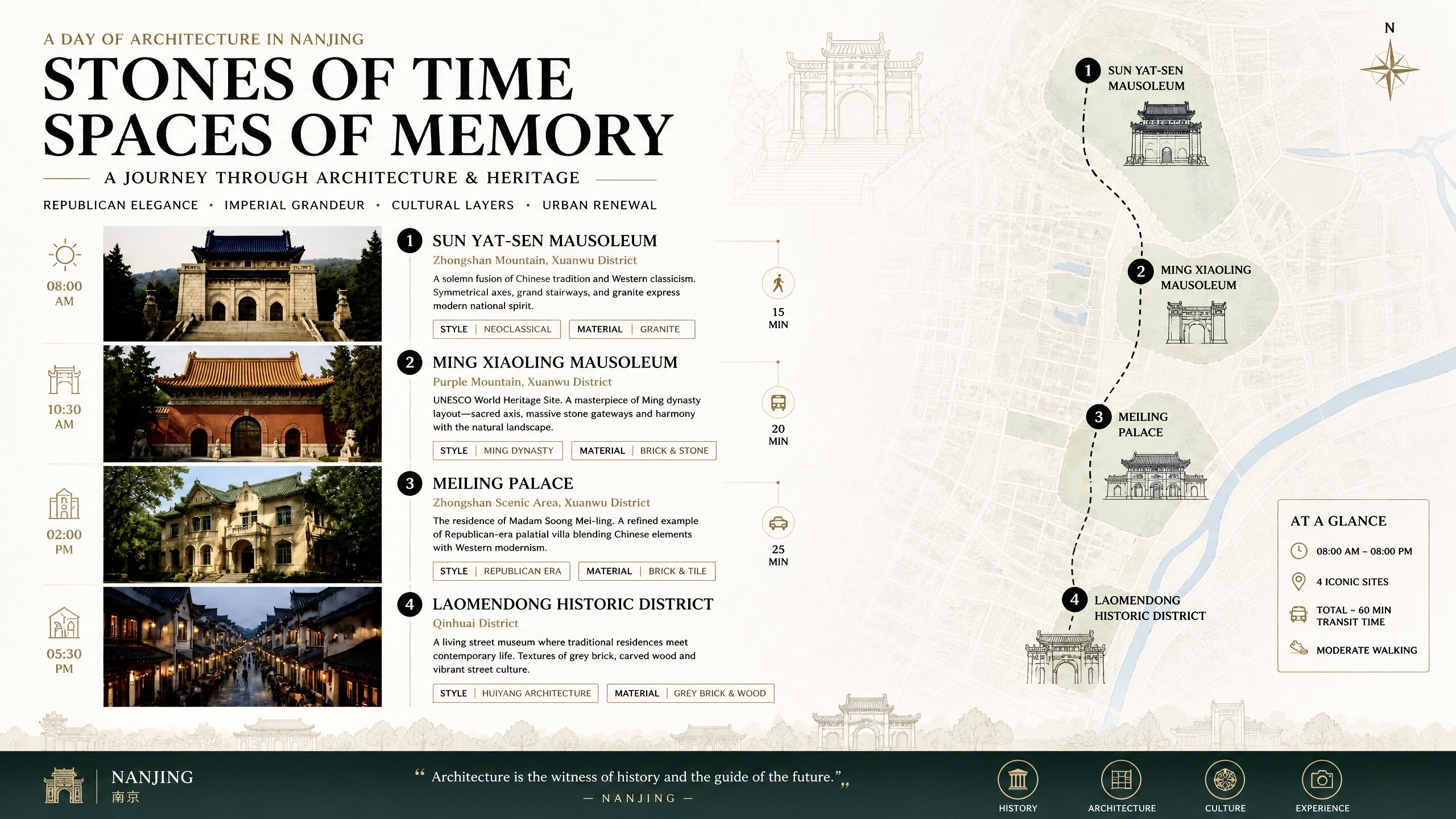
Day 3: Royal Mausoleum Culture & Ancient Jiangnan Charm – Dr. Sun Yat-sen’s Mausoleum → Ming Xiaoling Mausoleum → Meiling Palace → Laomendong Historic District
Daily Focus. Explore the world-class imperial mausoleum complex, appreciate the grand ancient Chinese ritual architecture, and experience the original ecological ancient street customs of Jiangnan.
Dr. Sun Yat-sen’s Mausoleum. A world-famous monumental building and the most iconic modern cultural landmark in Nanjing, built in memory of Dr. Sun Yat-sen, the father of modern China. The mausoleum adopts a grand symmetrical Chinese traditional architectural layout, with 392 stone steps leading to the top platform, symbolizing the 392 million Chinese population in the early 20th century. Climbing the steps, you can overlook the entire Zijin Mountain scenery and the urban landscape of Nanjing. The whole scenic area is covered with dense forests, with solemn and quiet atmosphere. Professional guides will interpret Dr. Sun Yat-sen’s revolutionary deeds and the historical significance of modern Chinese national rejuvenation, helping foreign travelers understand the modern historical context of China.
Ming Xiaoling Mausoleum. A UNESCO World Heritage Site and the most well-preserved imperial mausoleum of the Ming Dynasty in China, buried with the founding emperor of the Ming Dynasty and his empress. Unlike the grand mausoleums in northern China, Ming Xiaoling integrates Jiangnan’s delicate garden aesthetics and ancient imperial ritual system. The long sacred way is lined with vivid stone beasts and minister statues, with lush ancient pines and cypresses on both sides, presenting a solemn and ancient historical atmosphere. The whole mausoleum area retains complete ancient architectural layouts and stone carvings, which are precious materials for studying ancient Chinese imperial funeral culture and stone carving art.
Meiling Palace. Known as the “No. 1 Villa in Eastern China”, it is a classic Sino-Western combined villa built in the Republic of China era. Surrounded by dense phoenix trees and mountain forests, the villa has elegant red walls and green tiles, with exquisite interior decoration and unique garden layout. It witnessed many important historical events of the Republic of China period. Visiting the villa allows you to understand the living culture and architectural aesthetics of upper-class society in old Nanjing, and feel the unique historical charm of the integration of Chinese and Western cultures in the early 20th century.
Laomendong Historic District. A well-preserved original Jiangnan ancient street with a history of more than 600 years, far less commercialized than ordinary tourist ancient streets. It retains the traditional bluestone alleys, white-walled and black-tiled Jiangnan dwellings, ancient well platforms and old courtyard houses. Most of the shops here are local old-brand stores, intangible cultural heritage workshops and literary teahouses, with few overpriced tourist stalls. Foreign travelers can wander the quiet ancient alleys, watch local craftsmen make traditional Jiangnan handicrafts, taste authentic folk snacks, and record the most primitive and gentle ancient Jiangnan urban style.
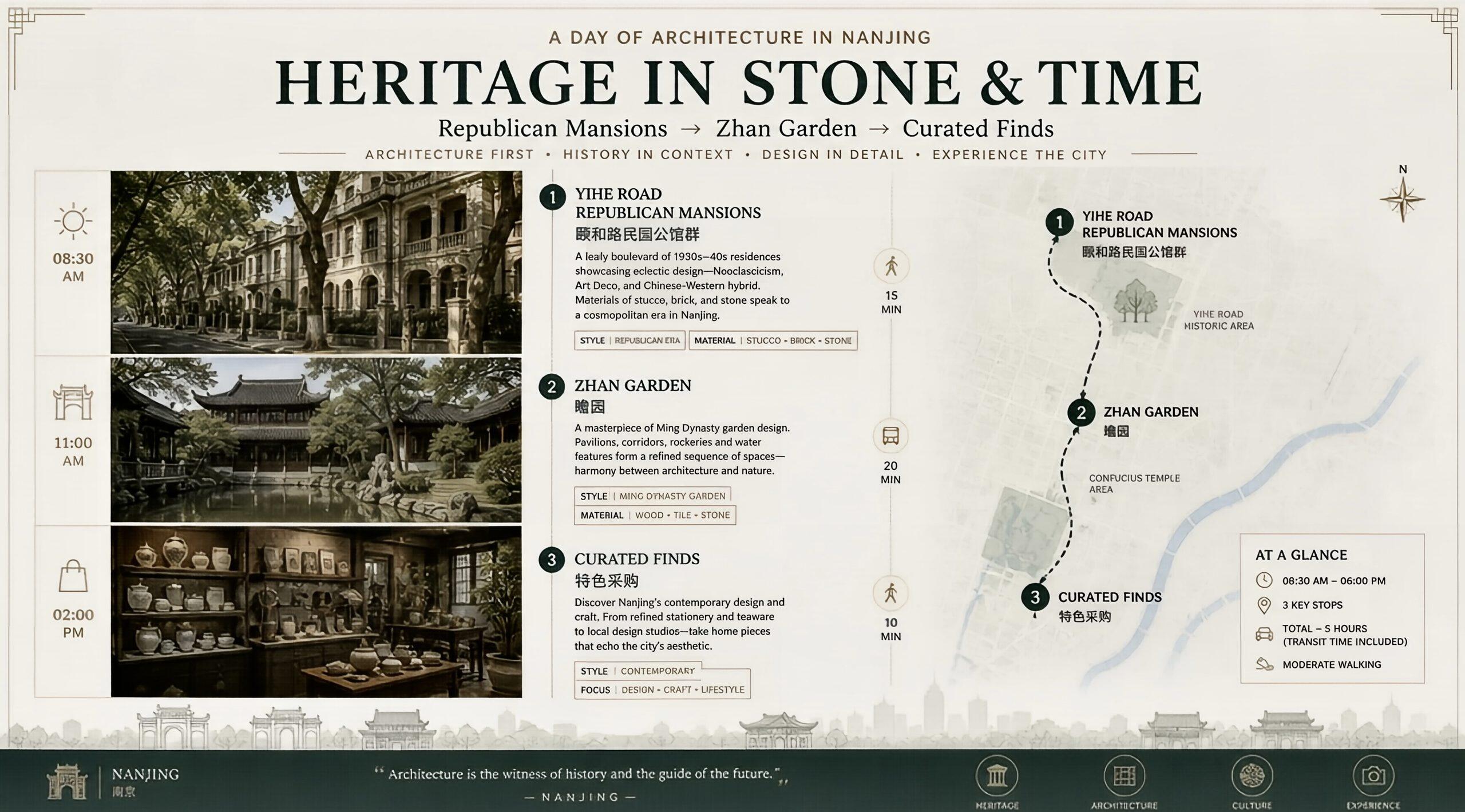
Day 4: Slow Ancient Capital Life & Departure – Yihe Road Republic of China Villa Cluster → Zhanyuan Garden → Local Specialty Shopping & Departure
Daily Focus. Relax and experience the slow life of old Nanjing, appreciate the elegant art of classical Chinese gardens, and end the trip with in-depth local cultural experience.
Yihe Road Villa Cluster. A hidden historical block favored by foreign travel enthusiasts, known as the “Republic of China Villa Museum”. The whole road is covered with tall century-old phoenix trees, with dense shade blocking the sun. On both sides are scattered more than 200 well-preserved Republic of China-era villas with diverse architectural styles including British, French, German and Spanish styles. Each villa has an independent courtyard and a unique historical story. Walking along the quiet tree-lined road, you can stay away from the tourist crowds, feel the quiet and elegant historical atmosphere of old Nanjing, and take high-quality retro-style travel photos.
Zhanyuan Garden. One of the four most famous classical gardens in Jiangnan, with a history of more than 600 years, older and more primitive than Suzhou’s famous gardens. It was the private garden of ancient senior officials, integrating pavilions, terraces, rockeries, ponds and ancient forests. The garden layout is exquisite and layered, with unique Jiangnan garden artistic conception of “changing scenery with every step”. Unlike crowded commercial gardens, Zhanyuan Garden has fewer tourists and a quiet atmosphere, allowing foreign travelers to slowly appreciate the aesthetic philosophy and gardening art of traditional Chinese classical gardens.
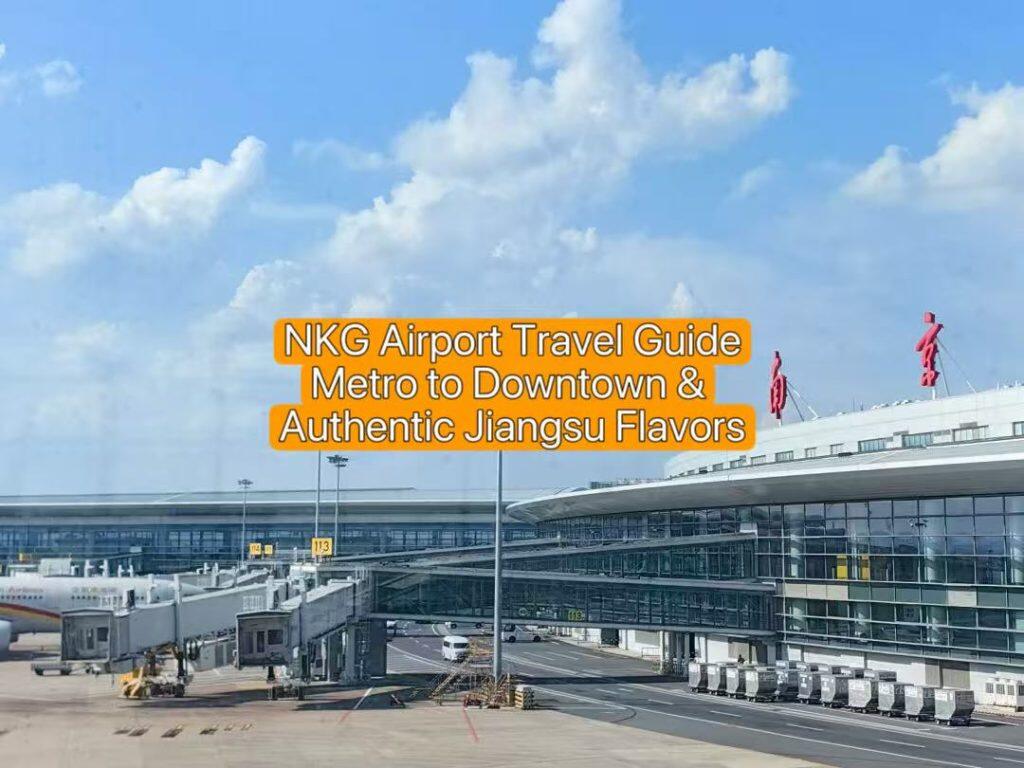
Local specialty shopping & trip ending. In the afternoon, visit Nanjing’s old-brand specialty stores to buy authentic local souvenirs: spiced salt duck, osmanthus cakes, flower pastries and traditional Jiangnan tea. These specialty snacks are made with century-old craftsmanship and are the most representative local gifts. After finishing the relaxed and slow-paced in-depth tour, transfer to Nanjing Lukou International Airport or high-speed railway station to end your 4-day in-depth cultural journey of the ancient capital of six dynasties.
Recommended Accommodation Areas (4D3N Exclusive Layout)
To avoid repeated long-distance transfers and fully immerse yourself in Nanjing’s historical charm, we recommend staying in central urban core areas for all 3 nights. Nanjing’s core cultural attractions are densely distributed in the downtown area, making a single accommodation base the most time-saving and travel-friendly choice for foreign visitors.
Top Pick: Qinhuai-Confucius Temple & Laomenghistoric District
This is the most representative cultural core of ancient Jinling (ancient Nanjing) and the best accommodation area for foreign travelers. It is within walking distance of Confucius Temple, Qinhuai River, Laomendong Ancient Street, Zhu Garden and Zhonghua Gate City Wall. The area blends millennium-old traditional Jiangnan architecture and modern urban vitality perfectly. You can choose from international chain hotels with full English services, elegant Jiangnan-style courtyard boutique guesthouses and cost-effective themed homestays. Surrounding facilities are complete: 24-hour convenience stores, western cafes, authentic local specialty restaurants and intangible cultural heritage craft shops are everywhere. The subway network covers all core scenic spots, providing extremely convenient travel conditions. Staying here allows you to witness the integration of ancient Jiangnan night scenery and modern urban life, and experience the profound cultural heritage of China’s ancient capital all day long.
Alternative Choice: Xinjiekou Downtown Business District
As the central business district of Nanjing, this area offers the most modern and convenient living experience. It has high-end international hotels, foreign-themed restaurants and complete English-speaking service facilities, suitable for foreign travelers who pursue comfortable modern life while exploring historical culture. The subway interchange hub connects all scenic spots in the city, with a 15-minute rapid transit to major historical sites. The only difference is that the cultural atmosphere is weaker than the Qinhuai historic district, but the travel convenience and modern comfort are outstanding.
Must-Try Authentic Nanjing Local Food (Foreign Travelers’ Top Picks)
Signature Local Dishes
Nanjing Salted Duck. The city’s iconic representative dish with a history of more than 1,000 years, known as the “No. 1 duck dish in Jiangnan”. The duck meat is tender and juicy with a salty and fresh taste, no greasy feeling and no fishy smell. Marinated with traditional Chinese spices and natural brine, it retains the original delicious flavor of poultry. It is mild and adaptable to foreign tourists’ taste buds, and is the most must-try specialty in Nanjing.
Duck Blood Vermicelli Soup. A classic Nanjing folk staple food and the most popular street food among foreign travelers. Made with fresh duck blood, duck intestines, duck liver and handmade vermicelli, boiled in slow-cooked bone soup. The soup is fresh and mellow, the vermicelli is smooth and chewy, with rich layers of taste. It is warm and comfortable, suitable for all seasons.
Braised Pork with Glutinous Rice. A traditional Jiangnan festival dish in Nanjing. Fatty but not greasy braised pork matches soft glutinous rice, with sweet and savory flavor, reflecting the delicate dietary characteristics of Jiangnan region.
Traditional Street Snacks & Desserts
Osmanthus glutinous rice cake, red bean cake, fried crispy cake and Nanjing sesame candy. It is recommended to taste these snacks in old community alleys and time-honored stores instead of scenic spot tourist stalls, to experience the most authentic folk flavor of Jinling. Nanjing’s local cuisine is mainly light and fresh, with less spicy food, which is highly friendly to foreign tourists’ eating habits.
Practical Transport Guide for Foreign Travelers
Urban Metro System. Nanjing Metro is one of the most convenient urban transportation systems in China, with full English station names, English broadcast navigation and clear line maps. It covers all core historical scenic spots, commercial districts and accommodation areas. The operating time is roughly 06:00–23:00. Avoid morning rush hour (7:30–9:00) and evening rush hour (17:30–19:00) for a more comfortable riding experience.
DiDi Ride-hailing Service. Download the English version of DiDi, bind international credit cards and input destinations in English for one-click ordering. Nanjing taxi and DiDi drivers have standardized service norms, familiar with core scenic spots, and can communicate with simple daily English, which is safe, transparent and convenient for foreign travelers.
Scenic Area Transfer Tips. All core scenic spots in Nanjing are connected by subway or official scenic shuttle buses with fixed routes and transparent fares. It is recommended to choose official public transportation or formal online car-hailing services. Avoid unlicensed private black cars near scenic spots to prevent arbitrary pricing and fraud. Tickets for Nanjing Museum, Presidential Palace and Sun Yat-sen’s Mausoleum need to be booked online in advance with passports.
Frequently Asked Questions for Foreign Travelers
Q: Is 4 days enough to experience Nanjing’s core history and local culture?
A: This 4-day 3-night exclusive itinerary covers Nanjing’s most valuable world cultural heritage sites, six-dynasty ancient capital relics, Republic of China-era historical buildings, classical Jiangnan gardens and authentic local folk life. The schedule is loose and reasonable, without intensive rushing, reserving sufficient time for cultural appreciation and slow sightseeing. It fully meets the in-depth travel needs of first-time foreign visitors. If you have extra travel time, you can add Niushou Mountain Cultural Park and Baoben Temple Ruins for extended exploration.
Q: Do popular historical scenic spots require advance reservation?
A: Yes. Nanjing Museum, Sun Yat-sen’s Mausoleum, Ming Xiaoling Mausoleum and Presidential Palace are always in high demand all year round, especially on weekends and Chinese holidays. All foreign visitors must make real-name online reservations with valid passports in advance. No same-day on-site tickets are available, and full advance booking is the only guarantee for smooth entry.
Q: Is language communication a problem for foreign travelers in Nanjing?
A: No language barrier at all. Star hotels, core scenic spots, subway stations, large shopping malls and catering blocks in Nanjing are equipped with professional English-speaking staff and English prompt signs. Full-process English tour guide service is provided during the trip, realizing barrier-free travel communication.
Q: Are drones allowed in Nanjing’s core scenic areas?
A: Drones are strictly prohibited in all key cultural relic protection areas including Sun Yat-sen’s Mausoleum, Ming Xiaoling Mausoleum, Presidential Palace, City Wall scenic area and Confucius Temple historic district without special official permits. Ordinary individual tourists cannot apply for relevant permits. Please abide by scenic area regulations to avoid equipment confiscation and travel delays.
Pre-departure Quick Checklist
☑ Confirm 2026 visa-free entry qualification and passport validity (valid for more than 6 months)
☑ Pre-book tickets for Nanjing Museum, Sun Yat-sen’s Mausoleum and core historical scenic spots
☑ Install Alipay Tour Pass, English DiDi and offline Google Translate software
☑ Prepare comfortable walking shoes, sun protection and seasonal warm/cool clothing
☑ Reserve a small amount of RMB cash for local alley snack stalls and small purchases
☑ Prepare portable power bank to cope with long-time outdoor sightseeing

Mia Chen
Mia Chen is a 30‑year‑old tour guide.She has explored every corner
of Nanjing and hosted countless overseas travellers. She is deeply passionate and
knowledgeable about Nanjing’s Republican‑era history, classical gardens and riverside
folk culture, enriching every city tour with her down‑to‑ground, firsthand local insights.