
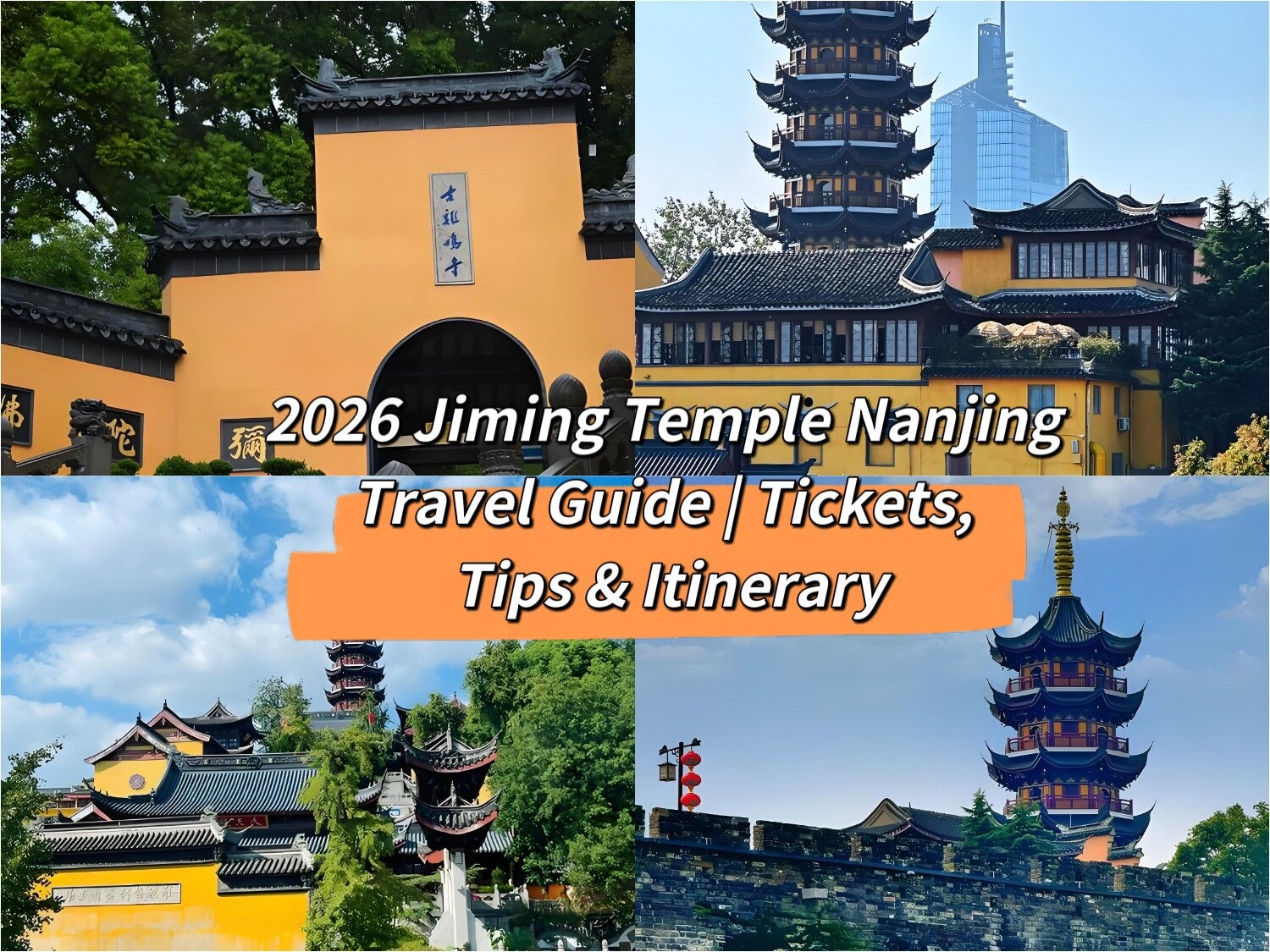
Hello, I’m Lila Jiang, a China travel expert with over 10 years of experience. During these years, I’ve traveled extensively around the world. Next, we’ll explore the ancient charm and Buddhist heritage of Jiming Temple. From 1,700 years of imperial history to elegant Jiangnan architecture, from sacred Buddhist rituals to famous cherry blossom views, we’ll help you uncover the timeless story of this “Number One Temple of the Southern Dynasties”.
Introduction
Quick Facts: Jiming Temple
- Location: No.1 Jiming Temple Road, Xuanwu District, Central Nanjing, China
- Built: 300 AD (Western Jin Dynasty)
- Size: 50,000 sq.m, over 10 halls and pavilions
- Peak Season: March–April (cherry blossoms), January–February (Spring Festival)
- Key Tip: Book tickets online in advance | Free entry for kids under 1.4m
- Best Time to Visit: 8:00 am (avoid crowds, enjoy morning tranquility)
Jiming Temple stands on the eastern slope of Jilong Mountain in central Nanjing, with a history spanning over 1,700 years. Founded in 300 AD during the Western Jin Dynasty, it flourished as “Tongtai Temple” under Emperor Wu of Liang in the Southern Dynasties, earning the title “Number One Temple of the Southern Dynasties” and leading the renowned “480 Temples of the Southern Dynasties”. For centuries, it has been a sacred Buddhist site, a royal prayer venue, and a witness to Nanjing’s evolution as an ancient capital. Nestled between Xuanwu Lake and the ancient city wall, the temple blends mountain, water, forest, and Buddhist architecture. Its golden roofs, red walls, and towering pagoda create a striking contrast with the surrounding natural beauty. Famous for Buddhist culture, spring cherry blossoms, and vegetarian cuisine, Jiming Temple is not only a spiritual sanctuary but also a top scenic spot in Nanjing, embodying the elegant charm of Jiangnan.
Nanjing Jiming Temple 2026: Tickets & Opening Hours
2026 Jiming Temple ticket booking is simple—here’s all you need to know about official tickets and visiting rules.
- Tickets: 10 RMB (~1.4 USD) for adults. Free for kids under 1.4m and seniors over 70 years old. Book online via the official WeChat mini-program “Southern Dynasties First Temple Jiming Temple” in advance. On-site ticket sales are available at the old mountain gate.
- Payment for tickets: Alipay, WeChat Pay, or international credit cards (Visa, Mastercard) on the official booking platform.
- Opening Hours: 7:30 am–5:00 pm (last entry 4:45 pm) daily; no night opening or bell-ringing activities.
- Note for international travelers: The official WeChat mini-program supports English language. You can cancel your ticket free of charge 24 hours before your scheduled visit. Passport is required for entry verification.
Nanjing Jiming Temple 2026: Top 5 Sacred Attractions
Main Hall of Great Hero
The core and largest hall of Jiming Temple. Rebuilt in traditional Ming Dynasty style, it houses a 10-meter-tall golden Sakyamuni Buddha statue, flanked by disciples and Bodhisattvas. The hall features exquisite wooden carvings, painted beams, and upturned eaves, symbolizing the temple’s sacred status. It’s the main venue for Buddhist ceremonies and prayer activities.
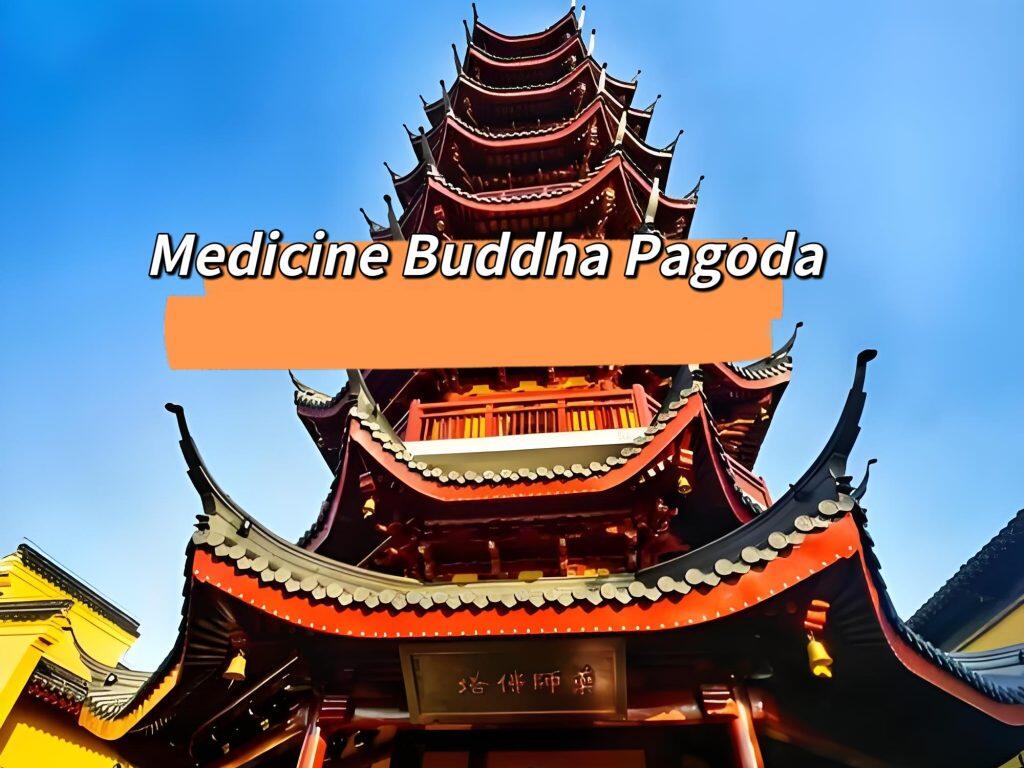
Medicine Buddha Pagoda
The iconic landmark of Jiming Temple. Built in 1991, it’s the fifth pagoda in the temple’s history, standing 44.8 meters tall with 7 stories and 8 sides. Dedicated to the Medicine Buddha for healing and longevity, the pagoda offers panoramic views of Nanjing—Xuanwu Lake to the north, the ancient city wall to the east, and the city skyline to the south.
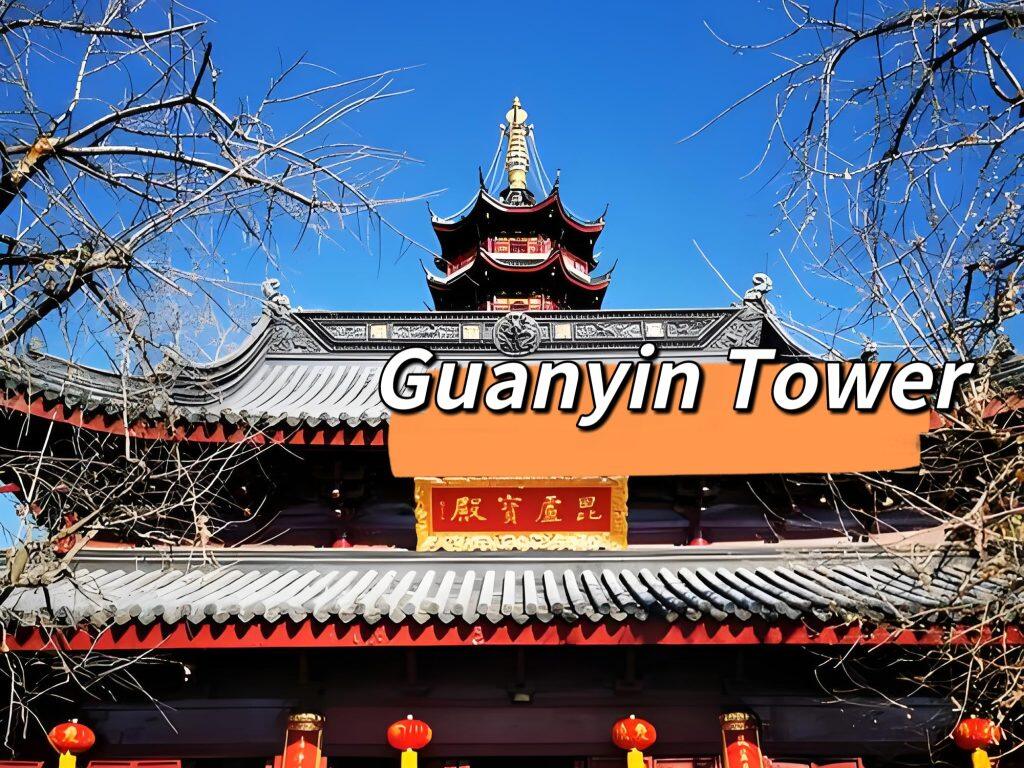
Guanyin Tower
A 3-story wooden tower dedicated to Guanyin Bodhisattva, the Goddess of Mercy. It houses a white marble Guanyin statue and thousands of small Buddha niches. The tower’s open design allows natural light and breeze, creating a peaceful atmosphere for meditation and prayer. It’s a popular spot for visitors seeking blessings for compassion and peace.
Huomeng Building
A historic 2-story building with elegant Jiangnan style, featuring large windows and wooden railings. Overlooking the ancient city wall and Xuanwu Lake, it’s where literati and monks once gathered for tea, poetry, and Zen discussions. Today, it serves as a teahouse offering Buddhist tea and snacks, allowing visitors to enjoy tranquil mountain views and Buddhist culture.
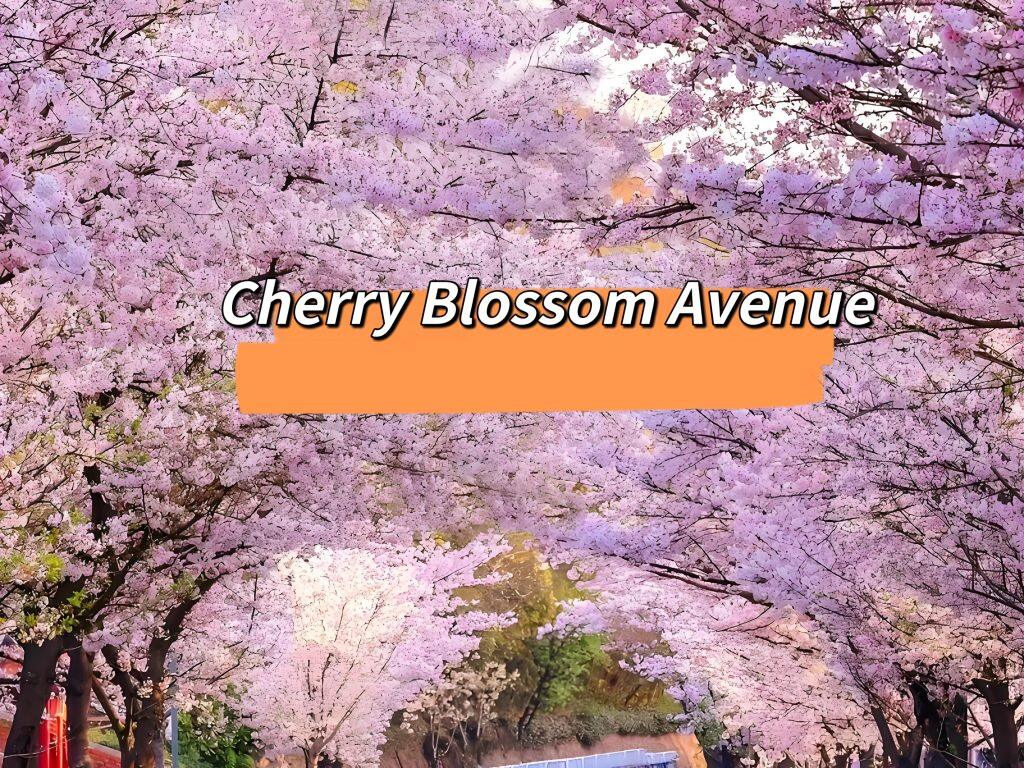
Cherry Blossom Avenue
A 500-meter-long road at the temple’s entrance, lined with over 1,800 cherry trees of 20+ varieties (e.g., Somei Yoshino, Kawazu Zakura). In late March to early April, the cherry blossoms bloom in full glory, forming a pink and white canopy. The combination of ancient temple, pagoda, and cherry blossoms creates one of Nanjing’s most iconic spring scenes.
Nanjing Jiming Temple 2026: Easy Transportation Guide
Figuring out how to get to Jiming Temple is easy with our guide—we break down the best subway, bus and taxi options.
🚇Subway: Take Line 3 or Line 4 to Jiming Temple Station (Exit 5). Walk 600 meters north along Jiming Temple Road to reach the temple gate.
🚌Bus: Buses 11, 20, 48 stop at Jiming Temple Station. Walk 3 minutes to the temple entrance.
🚕Taxi: Ask to go to “Jiming Temple (Jiming Temple Road)”. It’s a well-known cultural landmark. Cost from downtown Nanjing is around 15–30 RMB (~2.1–4.2 USD).
How to buy tickets on arrival: On-site tickets are available at the old mountain gate, but online booking via the official WeChat mini-program is recommended to avoid queues.
If you take a taxi from Nanjing Lukou International Airport to Jiming Temple, the cost is around 80–100 RMB (~11.1–13.9 USD) and takes 45 minutes. From Nanjing South Railway Station, the taxi cost is about 25–35 RMB (~3.5–4.9 USD) with a 20-minute drive.
Nanjing Jiming Temple 2026: Immersive Buddhist Experiences
Guided Tours:
English-speaking guided tours are available. Book online via the official website or Ctrip 1–3 days in advance.
Cost: 150–250 RMB (~20.8–34.7 USD) per group.
Audio Guides:
Rent at the main entrance for 30 RMB (~4.2 USD) with a passport. It supports 30+ languages including English, with detailed explanations of Buddhist culture and temple history.
Buddhist Blessing Ceremonies:
Free daily blessing ceremonies at 9:00 am and 3:00 pm in the Main Hall of Great Hero. Visitors can join to experience traditional Buddhist rituals and receive blessings. No booking required; arrive early for a seat.
Practical Tips & Etiquette
- No smoking, eating, or drinking inside the temple halls (only allowed in designated rest areas).
- Do not touch Buddha statues, incense burners, or ancient relics—fines up to 1,500 RMB (~208 USD).
- Spring cherry blossom season (March–April) is extremely crowded—arrive by 8:00 am to avoid long queues.
- Wear modest clothing (shoulders and knees covered) out of respect for Buddhist traditions.
- Photography is allowed (no flash) in most areas; no photography inside the Main Hall during ceremonies.
- Free lockers are available at the main entrance for large luggage, which is prohibited inside the temple. Free drinking water stations are located near the Medicine Buddha Pagoda and Huomeng Building, so bring a reusable water bottle to save money.
FAQ: Nanjing Jiming Temple 2026
Q: When is the best time for cherry blossoms at Jiming Temple?
A: Late March to early April (21 days peak). Pink petals blend with golden roofs—Nanjing’s most magical spring scene. Arrive 8AM to avoid crowds.
Q: Is Jiming Temple suitable for elderly visitors?
A: Yes. Gentle slopes, paved paths, rest benches. Pagoda elevator available. Peaceful vibe perfect for seniors.
Q: Can I join Buddhist ceremonies?
A: Yes, free 9AM/3PM daily. Quiet, respectful participation welcome.
Q: Are there English guides?
A: Yes, audio guides ($4.2) and group tours ($21–$35).
Nanjing blends history and peace, and Jiming Temple is its sacred heart. 1700 years of Buddhist serenity, spring cherry magic, and lake views await.
I invite you to come to Nanjing in 2026, walk cherry lanes, climb the pagoda, and feel ancient calm.
Welcome to China, welcome to Nanjing, welcome to Jiming Temple.

Lila Jiang
She is Lila Jiang, a 28-year-old girl.
With over 10 years in the travel industry, she’s chased wanderlust near and far;
what she loves most is diving into local cultures,
finding hidden gems, and connecting with people who bring journeys to life.
| Updated: May 28, 2026Essential Nanjing Travel Resources
1、Core Nanjing Attractions
NiuShou Mountain Cultural Tourism Zone:A Travel Guide
China Trip Tip: Nanjing Hongshan Zoo Guide
Zhongshan Scenic Area Guide for Your China Trip
China Trip Must-Explore: Confucius Temple Scenic Guide
Timeless Grand Bao’en Temple Guide for China Trip
2026 Nanjing Museum Guide: Complete Tour of China’s Top Nation Historical Museun
2026 Nanjing Presidential Palace Travel Guide:Step Into China’s Modern Political History
2026 Oriental Metropolitan Museum Guide: Trace Six-Dynasty Culture in Nanjing
2026 Jiming Temple Nanjing Guide: Discover the City’s Famous Ancient Buddhist Shrine
2、Must-Stay Nanjing Hotels
Nanjing Top 6 Luxury Hotels:A Ultimate Guide
Nanjing’s Top 10 family-friendly hotels:A Wonderful Guide
Nanjing’s Top 10 Scenic Hotels:Explore this Picturesque City
Nanjing’s Top 10 local-style hotels:Your Perfect Guide
Nanjing’s Top 10 Internet-famous check-in hotels:Enjoy the Wonderful Time
3、Must-Try Nanjing Food & Local Eats
Nanjing Food Guide: Savor the Authentic Flavors of China’s Ancient Capital
4、Local Nanjing Transportation
NKG Airport Travel Guide: Metro to Downtown & Authentic Jiangsu Flavors