
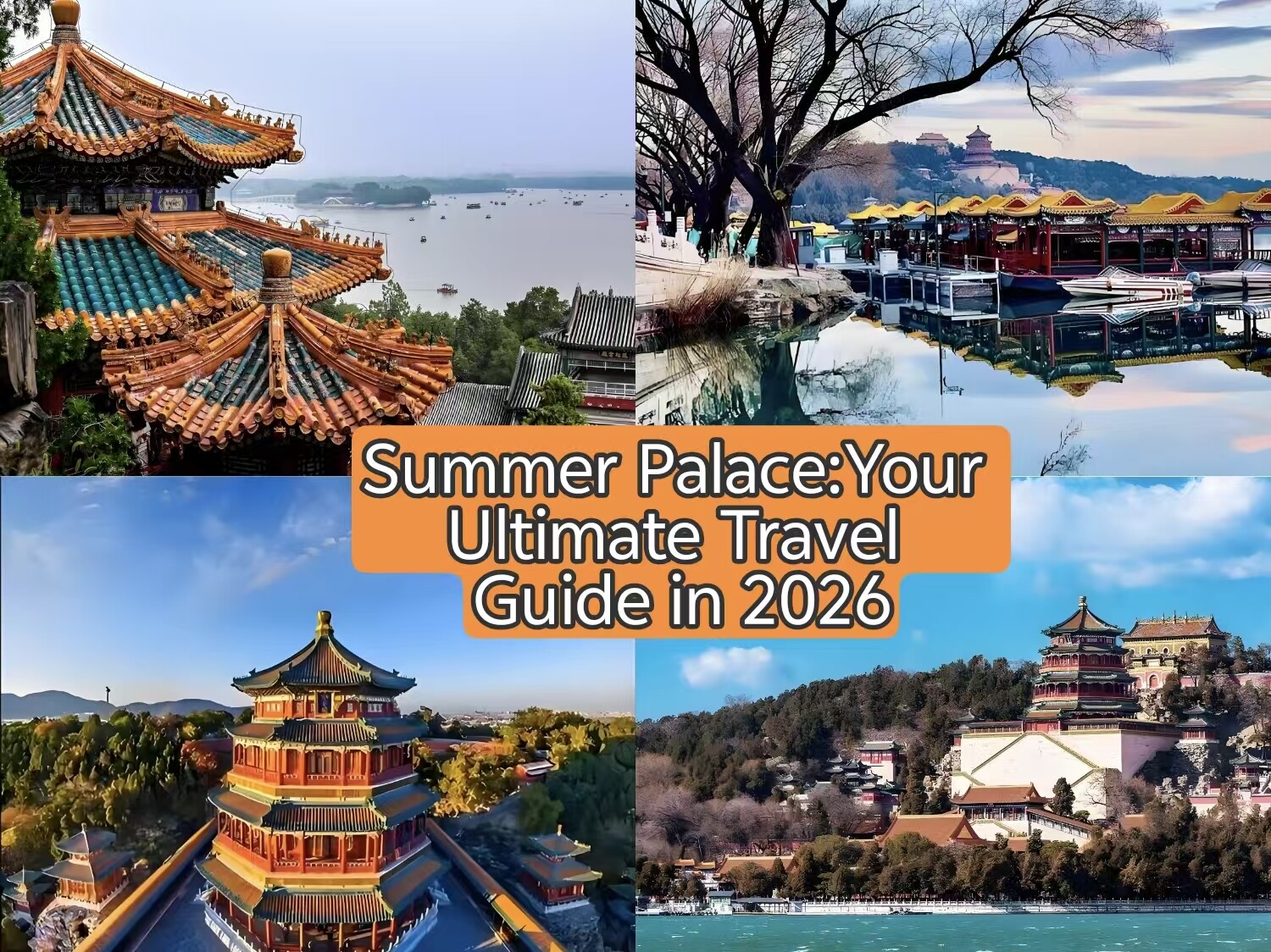
Hello, I’m Lila Jiang, a China travel professional with over 5 years of experience.During these five years, I’ve traveled extensively around the world. I work in the tourism industry and have been helping travelers explore China for over 2 years. In this article, I’ll introduce you to Summer Palace. This 2026 Summer Palace guide covers all you need to explore China’s largest imperial garden and iconic UNESCO World Heritage Site in Beijing.
Introduction to the Summer Palace
Summer Palace Quick Facts
- Location: Haidian District, Central Beijing | UNESCO World Heritage Site
- Ticket Price: ¥20–¥60 (park-only / combo pass for core attractions)
- Opening Hours: 6:00–20:00 (Apr–Oct); 6:30–19:00 (Nov–Mar)
- Best Transport: Subway Line 4 (North Palace Gate) / Line 15 (East Gate)
- Must-Do: Long Corridor, Kunming Lake boat tour, Seventeen-Arch Bridge
- Pro Tip: Arrive by 8 AM to avoid crowds; book combo tickets online in advance
Pro Tip:Book tickets online in advance to avoid on-site queues; download the official WeChat mini-program for real-time guide and opening info.
Location:Haidian District, Beijing, China (west of the Old Summer Palace)
Opening Hours:6:00–20:00 (peak season: Apr–Oct); 6:30–19:00 (off season: Nov–Mar); Core attractions close 1 hour earlier
Ticket Price:¥20–¥60 (1-day ticket; separate tickets for core attractions)
Best For:Culture lovers, history enthusiasts, photography fans, families, nature lovers
Transport:Subway Line 4 to North Palace Gate Station; Subway Line 15 to Summer Palace East Gate Station
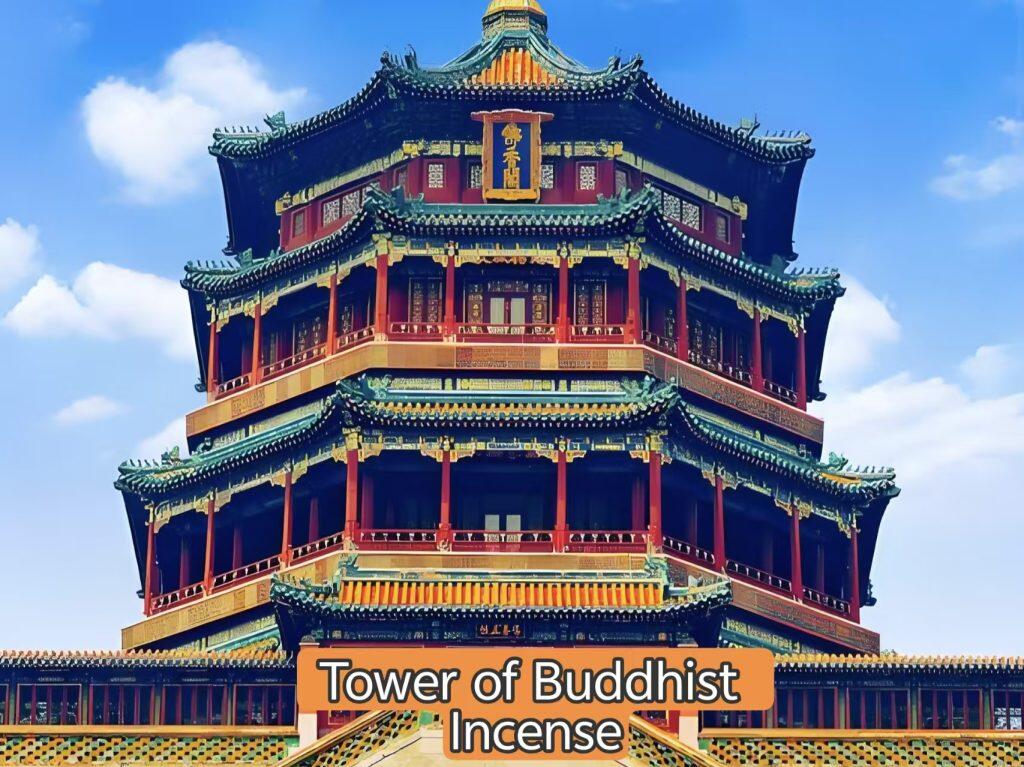
Must-Do:Walk the Long Corridor, climb the Tower of Buddhist Incense, take a boat on Kunming Lake, admire the Seventeen-Arch Bridge
Summer Palace is the largest and best-preserved imperial garden in China, with a history of over 260 years. First built in the Qing Dynasty (1750) as a summer resort for emperors and empresses, it was originally named “Garden of Clear Ripples” and later renamed “Summer Palace” in 1888 after reconstruction. Covering an area of 290 hectares (including 220 hectares of water), the palace integrates Chinese classical garden art with natural scenery, combining lakes, hills, palaces, pavilions, and corridors into a magnificent landscape. It is a UNESCO World Heritage Site, known as the “Museum of Chinese Gardens” and a symbol of ancient Chinese imperial gardens, attracting millions of visitors from around the world every year.
Tickets & Opening Hours 2026
All Summer Palace tickets (including park-only and combo passes) and opening hours are fully updated for 2026, with exclusive online booking tips for foreign visitors.
Ticket Types & Prices
Peak Season (Apr 1 – Oct 31):
• Park Ticket (no core attractions): ¥30
• Combined Ticket (park + core attractions: Tower of Buddhist Incense, Suzhou Street, Dehe Garden): ¥60
Off Season (Nov 1 – Mar 31):
• Park Ticket (no core attractions): ¥20
• Combined Ticket (park + core attractions): ¥50
Note: Core attractions are closed every Monday (open on legal holidays and from July 15 to August 31 in peak season; open on legal holidays in off season). Discounted tickets (half-price) are available for students, seniors over 60, and children between 1.2m and 1.4m; free for children under 1.2m and seniors over 70 with valid ID.
International visitors can book tickets via the park’s English version official mini-program (search “Summer Palace Beijing”) with a valid passport; electronic QR code tickets are accepted for all entrances, no physical print is needed. Combo passes are valid for the same day only and can be modified 24 hours in advance for free.
Guide Service Info
The park opens 1–1.5 hours earlier than the core attractions, and entry stops 1 hour before closing. It is recommended to arrive at 8:00 AM to avoid crowds, especially during peak seasons (Apr–May, Sep–Oct) when the park is most crowded.
International visitors need to present their passport for ticket verification and park entry. Online booking is highly recommended through the official WeChat mini-program “Summer Palace” or authorized platforms, as on-site tickets may be limited during peak periods. You can cancel or modify your ticket 24 hours in advance without any fee.
Electronic Guide: Available at all entrances from 8:15 AM to 6:00 PM, supporting 18 languages including English, French, Japanese, and Korean. The fee is ¥40 for foreign languages, no deposit required.
Group Guide: Available at the East Gate and North Gate, with English and Chinese services. The fee is ¥300–¥450 per hour depending on the group size (1–20 people), and advance booking 2 days in advance is required (contact: 010-62881144).
Main UNESCO Attractions & Areas
Long Corridor
The iconic landmark of the Summer Palace and the longest corridor in Chinese gardens, stretching 728 meters with 273 sections. The corridor is decorated with more than 14,000 exquisite paintings on the beams and eaves, depicting historical stories, famous landscapes, and flowers and birds – each painting has a unique meaning, making it a “gallery on the corridor”[3]. Walking along the corridor, you can enjoy the beautiful view of Kunming Lake on one side and the elegant palaces on the other, feeling the charm of Chinese classical garden art.
Tower of Buddhist Incense
Located on Longevity Hill, the highest point of the Summer Palace, the Tower of Buddhist Incense is a 41-meter-high pavilion with yellow glazed tiles and red pillars, standing tall and magnificent. It is the core building of the palace and a symbol of the Summer Palace. Climbing to the top of the tower, you can have a panoramic view of the entire Summer Palace – the vast Kunming Lake, the winding Seventeen-Arch Bridge, and the distant Western Hills, all of which are in sight, presenting a stunning picture of mountains and water.
Seventeen-Arch Bridge
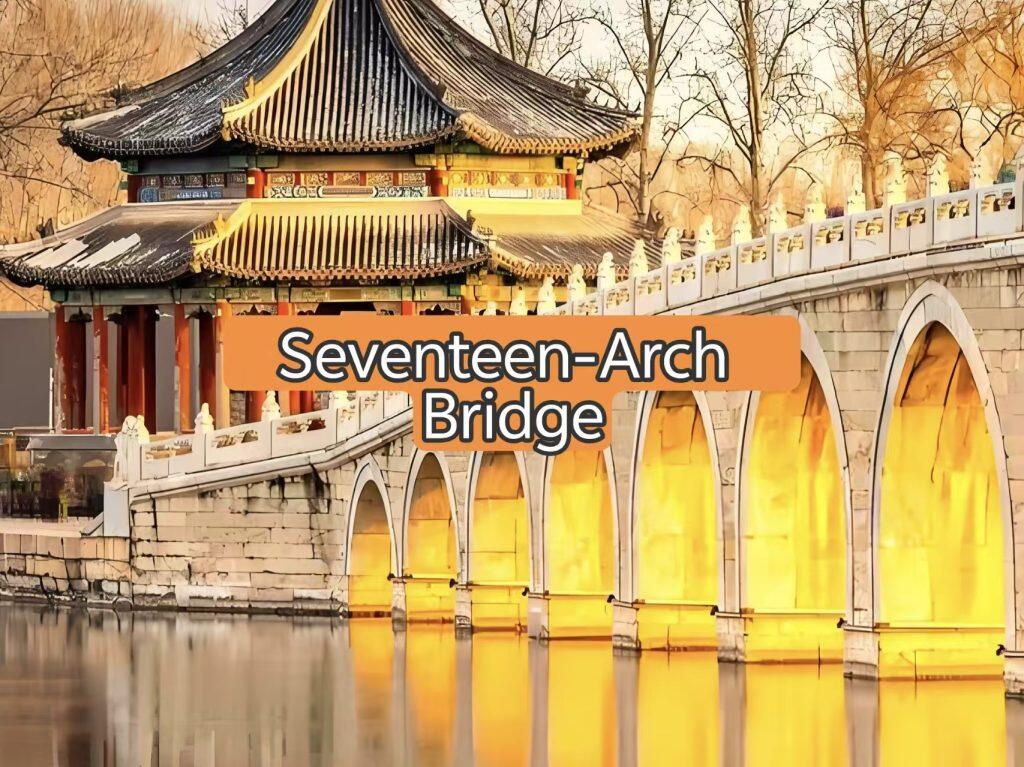
Connecting the east bank of Kunming Lake with Nanhu Island, the Seventeen-Arch Bridge is the largest stone bridge in the Summer Palace, 150 meters long and 8 meters wide, with 17 arches (a number symbolizing good luck in Chinese culture). The railings of the bridge are carved with more than 500 stone lions, each with a different posture, vivid and lifelike. Every year around the Winter Solstice, the “Golden Light Through the Arches” spectacle appears – the setting sun shines through the 17 arches, casting golden light on the water, which is extremely spectacular and a favorite photo spot for visitors.
How to Get to Summer Palace
Wondering how to get to the Summer Palace in Haidian District? We break down all convenient subway, bus and airport transfer options for international travelers.
By Subway: Take Subway Line 4 to North Palace Gate Station and exit from Exit D, which leads directly to the North Gate of the park (the most convenient entrance for most visitors). Or take Subway Line 15 to Summer Palace East Gate Station and exit from Exit A, which leads directly to the East Gate. It’s about a 2–5 minute walk from the subway station to the park entrance. Approx ¥2 – ¥4.
By Car & Parking: You have parking options near each gate of the park, differing in price and availability. Note that the East Gate parking lot is often crowded during peak seasons, so it is recommended to check the official notice in advance. Parking fee: approx ¥10–¥20 per hour. Valet parking is not available; self-parking only. It is not recommended to drive on weekends and holidays due to serious traffic jams.
By Bus: Multiple bus routes can take you directly to the park gates. Routes: 332, 346, 303, 584 to North Palace Gate Station (near the North Gate); 437, 594 to Summer Palace East Gate Station (near the East Gate). Cost: Typically ¥2 – ¥4. This is an economical option but may be affected by traffic jams.
By Airport/Station Transfer: Daxing Airport: Take Daxing Airport Line and transfer to Line 4 to North Palace Gate Station, about 1 hour and 30 minutes, approx ¥40. Beijing Railway Station: Take Line 2 and transfer to Line 4 to North Palace Gate Station, about 40 minutes, approx ¥5.
All subway stations near the park (Line 4/15) have English operation interfaces on ticket machines and English-speaking staff at the information desk; free walking signs to the park entrances are available at all subway exits.
Cultural Experiences & Activities
Cultural Experiences: Immerse yourself in ancient Chinese imperial garden culture by visiting the core attractions, and learn about the history of the Qing Dynasty imperial family’s summer life. You can take a boat tour on Kunming Lake (available from March to November) to experience the feeling of imperial nobles – there are various types of boats, including battery-powered boats and traditional painted boats, with different prices depending on the type and duration. In spring and autumn, you can also see local elders practicing tai chi, playing traditional musical instruments, and painting in the park, experiencing the daily life of Beijing residents.

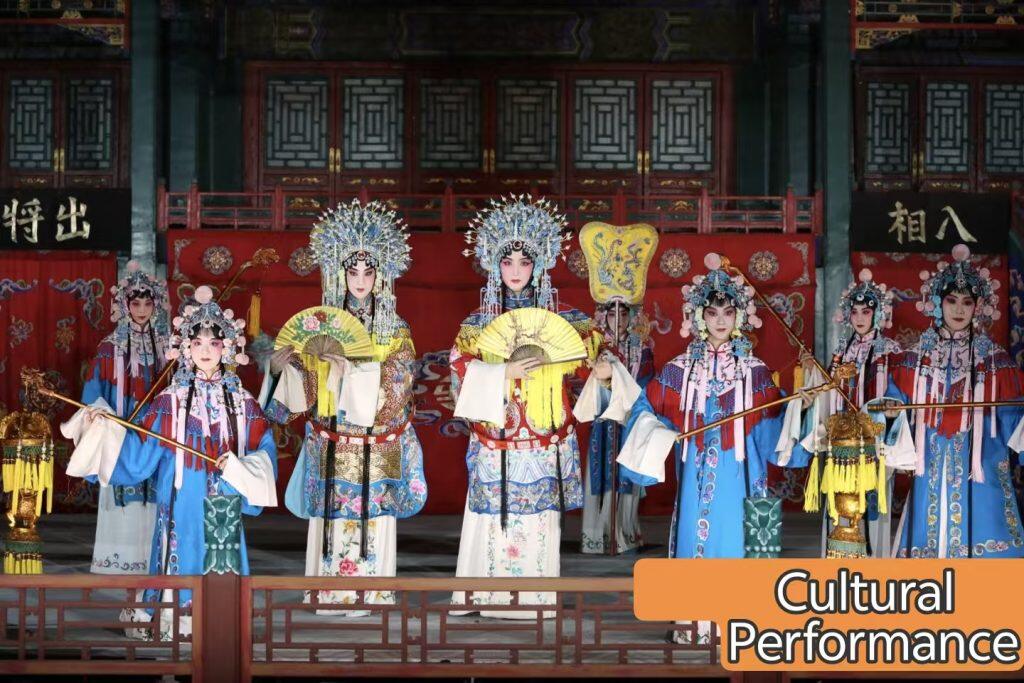
Cultural Shows: Occasionally, the park holds traditional cultural performances (such as ancient imperial music performances, traditional Chinese dance shows) and cultural activities (such as calligraphy and painting exhibitions, traditional handicraft demonstrations). Check the official mini-program for the latest schedule.
Shopping: There are souvenir shops near the main attractions, offering unique cultural souvenirs such as miniature models of the Tower of Buddhist Incense, traditional Chinese calligraphy works, jade ornaments, and cultural and creative products with palace themes. You can also buy traditional Chinese handicrafts (such as paper-cutting, jade carvings) to take home as gifts. Note that commercial shooting (such as advertising, film and television) is prohibited in the park without permission.
Essential Tips & Cultural Etiquette
Get the Official Mini-Program: The “Summer Palace” official WeChat mini-program (available in Chinese and English) is your essential tool. Use it to book tickets, check real-time opening hours of core attractions, view park maps, and get cultural explanations of attractions.
Respect Cultural Etiquette: Do not climb or touch ancient buildings, stone carvings, or cultural relics; do not pick flowers or damage plants in the park. When taking photos, avoid blocking the way of other visitors, and do not take photos in areas marked “No Photography”. Respect the daily activities of local residents in the park (such as tai chi, musical instrument playing) and do not disturb them.
Protect Cultural Relics: Summer Palace is a World Heritage Site; it is strictly prohibited to carve or graffiti on ancient buildings or damage cultural relics. Keep the park clean and quiet, no smoking, no littering, no loud noise or frolicking, to maintain the elegant atmosphere of the imperial garden.
Comfortable Equipment: The park is large, and it takes 3–4 hours to visit all core attractions, so wear comfortable sports shoes. In summer, bring sun protection and a small fan to avoid heatstroke; in winter, keep warm. You can bring your own water and snacks; there are also convenience stores and snack stalls in the park selling mineral water and snacks at moderate prices. For those who are not good at walking, electric sightseeing vehicles are available in the park (¥20 per person per section).
Passport is a Must: Carry your physical passport with you at all times. It is required for entry, ticket verification, and is your main form of ID in China. Do not trust “internal guides” or “low-price fast tracks” at the park gate; all tickets are sold through official channels only.
Free English park maps are available at all main entrances (North/East/South); English-speaking staff are on duty at the North Gate information desk from 8 AM to 5 PM for any travel questions or assistance with wheelchair rental.
Food Guide (Near the Summer Palace)
Summer Palace and its surrounding areas offer a fantastic mix of traditional Beijing snacks and imperial-style delicacies, allowing you to experience authentic Beijing food culture while visiting the ancient imperial garden.
The classic Beijing snacks near the park: Try Yin San Douzhi (a traditional fermented soybean drink) near the North Gate, served with jiaoquan (fried dough rings) and preserved vegetables – a representative of old Beijing’s food culture (open only until 12:30 noon, recommended for breakfast). For a more substantial snack, try Wendding Meat Pie near the North Gate, with thin skin and juicy filling, full of meat aroma.
For imperial-style delicacies: Tingli Pavilion (a famous restaurant in the park) is a must-visit. It was once a place for imperial banquets, serving authentic court dishes such as Gongmen Fengyu (braised fish), Hongniang Zipei (vegetarian dish with fungi and beans), and Wan Dou Huang (pea cake) – the pea cake is smooth and sweet, melting in your mouth, and is a classic court dessert. The restaurant has an English menu, and staff can communicate in simple English.
In the park: there are convenience stores and snack stalls selling mineral water, ice cream, and simple snacks (such as instant noodles, pastries) to meet your basic needs during the tour. Near the park, there is Xiyuan Business District, where you can find various restaurants (Chinese, Western, fast food) with a wide range of choices and moderate prices.
FAQ
Q1: What is the best time to visit Summer Palace?
A: The best time is spring (Apr–May) and autumn (Sep–Oct), when the weather is comfortable and the scenery is beautiful – peach blossoms bloom in spring, and ginkgo leaves turn golden in autumn. In the morning (8:00–10:00 AM), the light is soft and there are fewer crowds, which is perfect for taking photos; in the afternoon (4:00–6:00 PM), the sunset adds a warm atmosphere to the garden, making it ideal for cultural experience. The “Golden Light Through the Arches” spectacle at the Seventeen-Arch Bridge around the Winter Solstice is also worth watching[3].
Q2: Is the combined ticket worth buying?
A: Definitely worth it. The core attractions (Tower of Buddhist Incense, Suzhou Street, Dehe Garden) are the essence of the Summer Palace, and the combined ticket is more cost-effective than buying separate tickets. If you only want to walk around the park and enjoy the lake and mountain scenery, the regular park ticket is sufficient. Note that Suzhou Street is a restored ancient commercial street with many antique shops, which is very interesting.
Q3: Can I take a boat on Kunming Lake? What are the ticket prices?
A: Yes, boat tours are one of the most popular experiences in the Summer Palace. There are various types of boats: 6-seat battery-powered boats cost ¥200 per hour (deposit ¥600); regular ferry boats have 11 routes, with one-way tickets ranging from ¥30 to ¥40 per person (children under 1.2m are free). Boat services are available from 8:30 AM to 5:30 PM, and will be suspended in case of strong winds or bad weather. It is recommended to avoid weekend peak hours to reduce waiting time.
Q4: Are there any accessibility facilities for disabled visitors?
A: Yes, the park is equipped with barrier-free access, wheelchair rental services (with valid ID), and accessible toilets, making it convenient for disabled visitors to tour the park. You can ask the staff at the entrance for assistance. Electric sightseeing vehicles can also help disabled visitors and the elderly save energy.
We hope this Summer Palace Beijing guide helps you experience the magic of China’s imperial garden culture and make the most of your 2026 trip to Beijing.

Lila Jiang
She is Lila Jiang, a 28-year-old girl.
With over 10 years in the travel industry, she’s chased wanderlust near and far;
what she loves most is diving into local cultures,
finding hidden gems, and connecting with people who bring journeys to life.
| Updated: April 24, 2026Essential Beijing Travel Resources
1、Core Beijing Attractions
National Museum Travel Guide for China Trip
The Palace Museum:Your Complete Guide in China
Prince Kung’s Mansion:Your Ultimate China Guide
The Great Wall of China:The Hottest Attraction in China
China Trip Essential:Universal Beijing Resort
Temple of Heaven Park: Essential Beijing Guide 2026
2026 Summer Palace Guide • Beijing UNESCO Tickets & Tips
2026 Shichahai: Culture & Practical Tips
POP MART City Park: Your Full 2026 Guide to Beijing’s Upgraded IP Theme Park
Chaoyang Park Beijing 2026: Tickets, Boating & Local Tips
2、Must-Stay Beijing Hotels
Beijing’s Top 10 Luxury Hotels:A Ultimate Guide
Beijing’s Top 10 Family-Friendly Hotels:Your Perfect choice
Beijing’s Top 10 Scenic Hotels:Perfect View Stays
Beijing’s Top 10 Local Style Hotels:Your Hotels Guide
Beijing’s Popular Check-in Hotels:Your Top Guide
3、Must-Try Beijing Street Food & Local Eats
2026 Beijing Food Guide • Must-Try Dishes, Restaurants & Local Snacks
4、Local Beijing Transportation
2026 Beijing Capital Airport Transportation Complete Guide
Beijing Daxing Airport Transport: A Complete Traveler’s Handbook
Master Beijing’s Subway: The Complete Metro Map Guide
Beijing South Railway Station: Complete Transit & Transfer Guide 2026