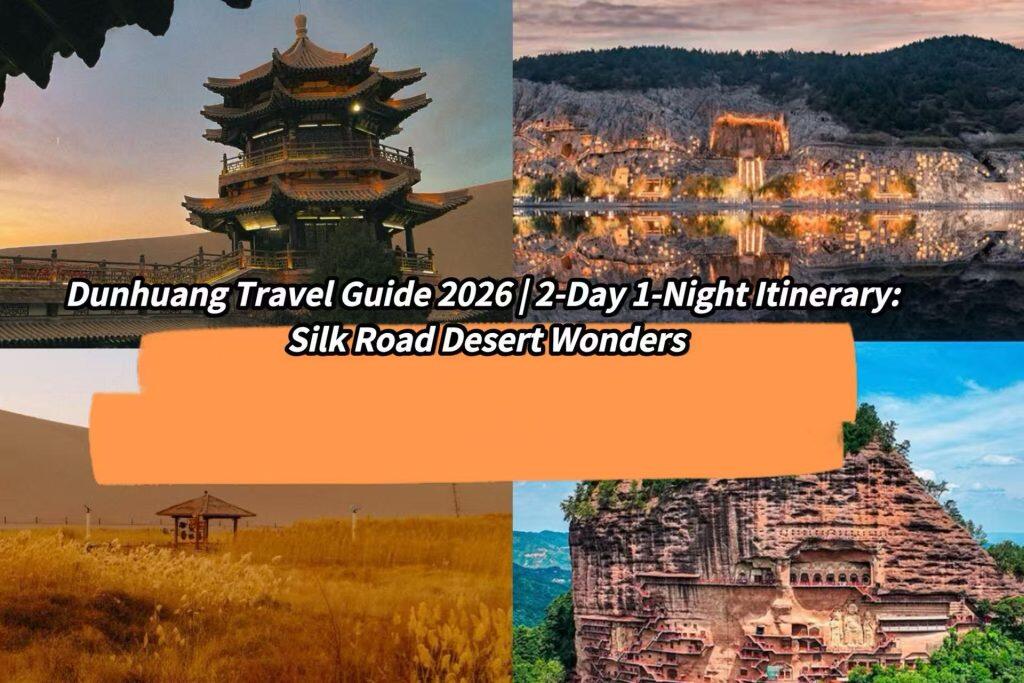
Hey everyone, Mia Chen here — your 30-something China travel insider with years of on-the-ground experience hosting international guests. I don’t do rushed checklist travel, but slow, story-driven cultural journeys that let you truly feel the soul of a destination.
Among all China’s legendary travel spots, Dunhuang holds the most breathtaking, timeless charm. It is not just a desert town, but a living museum of the ancient Silk Road, where millennium Buddhist art, vast Gobi landscapes, and ancient frontier ruins meet.
I’ll walk you through a perfectly paced 3-day 2-night Dunhuang itinerary. You’ll explore the world-famous Mogao Grottoes, chase golden sunset and starry sky at Mingsha Mountain, trace ancient frontier stories at Yumenguan and Yangguan, and experience the desolate, poetic beauty of Yadan Devil City. I’ll help you skip tourist traps, avoid ticket mistakes, understand profound Silk Road history, and capture the real, soul-stirring romance of Dunhuang only cultural travelers get to see.
Dunhuang Silk‑Road Guide
Dunhuang represents one of the most remarkable chapters of the ancient Silk Road. Unlike many commercial tourist towns across China, this desert oasis preserves world‑class Buddhist cave art, ancient frontier ruins and authentic desert‑oasis folk culture. Most mainstream online guides focus heavily on photo‑spot check‑lists and food lists, while ignoring critical practical hurdles for foreign visitors, such as ticket‑booking barriers, mobile‑payment limits, vast distances between sites and cultural visiting rules for heritage caves. This guide is built exclusively for overseas cultural‑focused travellers. It separates content into clear thematic sections, includes structured tables for visiting etiquette and packing advice, and delivers a detailed but non‑verbose 3‑day‑2‑night itinerary. You will learn not only where to go, but also the historical background behind each relic, so you can experience the genuine spiritual and historical value of Dunhuang rather than superficial sightseeing.
Pre‑Trip Preparation for International Visitors
Documents & Ticket‑Booking Rules
Your physical passport is your most important document. All major heritage sites require real‑name verification with passport. Always keep digital scans of your passport and Chinese visa stored offline on your phone or cloud storage.
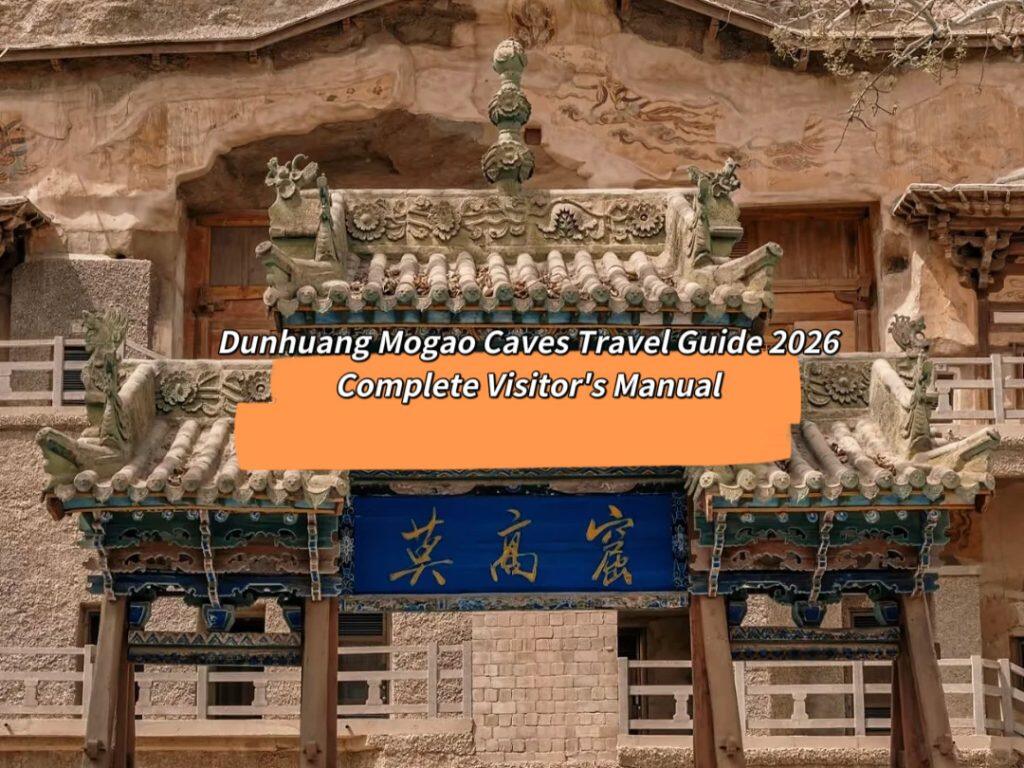
The most critical ticket is the Mogao Caves Class‑A ticket (238 CNY). It includes two documentary films at the Digital Exhibition Centre, shuttle‑bus transfer and guided access to 8 representative caves, plus English‑language audio headsets. This ticket is strictly limited to 6 000 per day and must be reserved weeks in advance during peak season (July‑October). The official Chinese‑only WeChat mini‑program does not support foreign‑passport registration. International travellers have two reliable options: book via a licensed travel agency, or buy limited foreign‑visitor quota tickets on‑site at the Digital Exhibition Centre ticket office with your original passport. Class‑B emergency tickets (100 CNY) are only for overflow periods; they cover only four caves with no documentaries and are not recommended as your primary plan.
Mingsha Mountain & Crescent Spring ticket costs 110 CNY and remains valid for three consecutive days, allowing repeated entry for sunrise, sunset and stargazing visits. Dunhuang Museum admission is free, yet advance reservation is mandatory and it closes every Monday. Remote west‑line sites including Yumenguan, Yangguan and Yadan Geopark all require separate tickets and on‑site shuttle‑bus feesTrip.com.
Important rule: You cannot take photos, videos or use flash inside any Mogao Caves. Tripods, selfie‑sticks and professional shooting gear are forbidden within cave zones. Violations will result in fines and ejection from the site
Payment, Internet & Communication
Nearly all local restaurants, grocery shops, taxis and guesthouses accept only Alipay or WeChat Pay. International credit cards are rarely supported outside larger hotels. Prepare sufficient Chinese‑yuan cash as backup. Foreign visitors may bind overseas bank cards to Alipay Tour Card before arrival.
Local mobile roaming signal becomes unstable in remote Gobi sections. Purchase a Chinese SIM‑card or portable WiFi device before travelling. Very few local residents speak English. Download offline Chinese‑English translation software. Save the English names and exact addresses of your hotel and scenic spots in your phone for taxi‑driver communication.
Cultural Visiting Etiquette & Dressing‑Packing Table
Dunhuang’s relics are fragile, living world‑heritage sites, not theme‑park sets. Desert climate brings extreme day‑night temperature differences, strong UV radiation and frequent sand‑wind.
| Category | Key Rules & Practical Advice |
|---|---|
| Cave‑visit cultural etiquette | No photography, flash, tripod or selfie‑stick inside caves. Do not touch murals, painted statues or rock surfaces. Keep voices low inside caves. Do not litter in Gobi‑heritage zones敦煌研究院. |
| Desert‑site behaviour | Do not climb or damage ancient rammed‑earth ruins at Yumenguan and Yangguan. Stay on marked trails to protect fragile desert vegetation. Carry all waste garbage back to town. |
| Season‑based clothing | Summer (Jun‑Aug): short‑sleeve tops + sun‑protective outer layer; wind‑proof jacket for evenings. Autumn (Sep‑Oct): layers for 15℃+ temperature swing between day and night. Winter: heavy down coat, thermal inner‑wear. Spring: prepare dust‑proof windbreaker for sand‑wind days. |
| Must‑carry personal items | High‑factor sunscreen, UV‑blocking sunglasses, wide‑brim hat, lip balm, moisturizer, hand‑cream, reusable large‑capacity water bottle. Comfortable closed‑toe walking shoes for sand and stone ground. Silk scarf for sand‑wind protection. |
| Items better left at home | High‑heels (useless on sand and gravel). Large‑size professional camera‑tripods (banned inside Mogao Caves) |
Detailed 3‑Day 2‑Night Cultural‑Focused Itinerary
Day1:Arrival, Mingsha Mountain & Crescent Spring, Desert Sunset Experience
Arrival & Check‑in Arrive at Dunhuang Airport or Dunhuang Railway Station. Take official taxi or Didi ride‑hailing vehicle to downtown hotel. Complete check‑in, settle luggage, apply sunscreen and prepare water bottles, scarves and sun‑hats. Remember your Mingsha‑Mountain 3‑day valid ticket.
Mingsha Mountain & Crescent Spring Visit after late‑afternoon to escape brutal midday desert heat. Enter from the official East Gate (main tourist entrance). Avoid taxi‑driver suggestions to use West‑Gate shortcuts, which are misleading traps. Activities: Hike up sand‑dunes for panoramic views over Crescent‑Spring oasis. You may choose camel‑riding (licensed unified‑price service). Watch golden desert sunset over rolling sand‑dunes. This site reflects Dunhuang’s unique geographic environment: how desert‑oasis geography enabled the great Silk‑Road Buddhist‑art civilization to blossom here. After sunset you can stay briefly for desert twilight before returning to town.
Dinner & casual stroll at Shazhou Night Market Taste local noodles or grilled lamb, try apricot‑peel drink. Observe the lively oasis‑town night‑life atmosphere. Do not buy high‑priced “antique” souvenirs from night‑market stalls; most are modern replicas. Return to hotel for rest.

Day2:Mogao Caves + Dunhuang Museum
Mogao Caves World‑Heritage Site Arrive at Mogao Digital Exhibition Centre 30 minutes before your pre‑booked visiting time slot. Late arrival means ticket invalidation with no refund or rescheduling. Watch two introductory documentary films, which lay essential historical background for first‑time visitors. Then take site shuttle‑bus out to the cave zone. Follow official group guide with English‑audio headset to tour 8 representative caves, including the iconic Nine‑Storey‑Building giant Buddha grotto. Observe strict cave‑visit rules: no photos, no touching murals. The murals show Buddhist stories, ancient Silk‑Road merchants, music, dance and daily life scenes from Tang‑dynasty Dunhuang. These artworks are the soul of your whole Dunhuang trip. After cave‑tour you may visit the exhibition hall of replica murals where photography is permitted.
Lunch & midday heat rest in downtown Return to city centre for lunch. Avoid outdoor activities during noon‑time peak desert heat.
Dunhuang Museum Free entry with prior reservation, closed on Mondays. This museum perfectly complements your Mogao‑Caves visit. View manuscript copies, textile relics and mural reproductions from the Library Cave. You will better understand how the Mogao art was created and discovered. Many exhibits carry English‑language captions. This stop transforms cave‑viewing from “pretty paintings” into a systematic understanding of Silk‑Road history.
Evening optional cultural experience If you enjoy immersive performance art, you may book the theatrical show Seeing Dunhuang. It presents the rise and fall of this Silk‑Road oasis through walking‑style immersive theatre. Not mandatory, but a powerful supplementary cultural experience. Have dinner downtown afterwards.

Day 3: West‑Line Gobi Ancient‑Ruins Day‑Tour, Departure
The west‑line covers Yangguan, Yumenguan (Jade‑Gate Pass), Han Great‑Wall ruins and Yadan Devil‑City Geopark. Total round‑trip driving distance is nearly 380 km across open Gobi desert. There is no public bus service. Foreign travellers should book licensed shared car‑pool or private‑car service through your hotel front‑desk. Do not take unlicensed black‑taxi drivers soliciting at station exits.
Depart from downtown Dunhuang Bring large‑volume drinking water, sun‑protection layers, wind‑proof jacket for late‑afternoon cooling. Food choices are extremely limited on the west‑line Gobi; pack simple snacks.
Yangguan Site Famous from the classical Chinese poem “West of Yangguan, no old friends remain”. Visit Yangguan Museum first to learn about Han‑dynasty frontier‑garrison history. Walk the ancient Yangguan road, you can apply for a simulated Silk‑Road “customs‑pass document” as a cultural experience. View the surviving ancient beacon‑tower rammed‑earth ruins, feeling the desolate atmosphere of ancient Chinese western borderland.
Yumenguan & Han Great‑Wall Ruins Yumenguan (“Jade Gate Pass”) was another key Han‑dynasty Silk‑Road gateway, recalled in poetry “Spring wind never reaches Yumen Pass”. Standing before the weathered earthen fortress ruins, you witness real physical remains of the ancient western frontier, not just literary imagination. Short visit duration, keep time for subsequent sites. Simple lunch at nearby small restaurant.
Yadan National Geopark (Devil City), arrive well before sunset Take park internal shuttle‑bus to view spectacular wind‑eroded yardang landforms. The “West‑Sea Fleet” rock formation is the most famous landmark. The golden sunset light transforms the whole Gobi‑rock landscape into a surreal alien‑world‑like scene. Stay for sunset viewing; this is the best visual moment for photography. Wind becomes strong after sunset, put on wind‑proof outer‑wear.
Return back to Dunhuang downtown Arrive back in city. Collect luggage from hotel, check out, transfer to airport / railway station according to your departure schedule. End your 3‑day‑2‑night Silk‑Road cultural journey.

Foreign‑Visitor‑Friendly Accommodation
Most independent‑traveller guides recommend staying near Mingsha Mountain for sunrise convenience. However, for international visitors without local transport, staying in central Dunhuang city brings far more convenience for dining, taxi‑hailing and joining shared west‑line car‑pool groups. Changing hotels during your short trip wastes valuable sightseeing time.
Recommended Accommodation Zone: Downtown Dunhuang (near Shazhou Night Market)
This central district offers dense restaurants, supermarkets, taxi stands and car‑pool gathering points. Most hotels provide luggage storage, 24‑hour front‑desk service and basic simple‑English reception. You can easily walk to night‑market food stalls. Taxis to Mogao Caves and Mingsha Mountain take roughly 20 minutes. This is the top‑choice zone for most overseas cultural travellersTrip.com.
Accommodation Options by Budget
Mid‑range cultural‑style hotels (350‑600 CNY / night) These hotels blend local Dunhuang‑art interior decoration with modern international‑standard facilities: stable hot water, air‑conditioning, humidifiers and sound‑proof windows. Front‑desk staff can assist you with Mogao‑Caves ticket inquiries and arrange licensed car‑pool services. Suitable for travellers prioritizing comfort and cultural atmosphere.
Budget boutique guesthouses (180‑320 CNY / night) Clean compact rooms located in quiet city alleys away from night‑market noise. Some guesthouses display Dunhuang mural reproductions. Limited English; best if you use translation software. Good for backpackers and cost‑conscious cultural visitors.
Special note about desert‑area accommodation Lodging right beside Mingsha Mountain grants easy sunrise access, yet dining selections are very limited. Night‑time sand‑wind noise can disturb sleep. It is not recommended for first‑time foreign visitors unless you specifically want desert‑night stargazing experience.
Overseas‑visitor tip: Peak season (July‑August, Chinese national holiday weeks) books out rapidly. Reserve your hotel at least 3‑4 weeks ahead. Some guesthouses ask for cash security deposit. Keep small‑denomination RMB ready.
Authentic Local Food Guide, Adapted for International Palates
Dunhuang cuisine belongs to Northwest China’s Gansu flavour system: heavy on noodles, lamb and local grain staples. Dishes are mostly savoury rather than extremely spicy. This section selects genuine local signature dishes and reliable restaurants, avoiding over‑priced tourist‑trap outlets near scenic‑spot gates.
Must‑Try Local Specialties
Donkey‑Meat Yellow Noodles: Dunhuang’s most iconic traditional dish tracing back to Silk‑Road times. Hand‑made chewy yellow noodles served with slow‑braised savoury donkey meat. You may order less garlic if you prefer milder taste.
Hu‑Yang Braised Mutton with Pancakes: Tender slow‑cooked mutton, thin pancakes soak up rich meat broth. One portion is large and suitable for sharing between two‑three people携程.
Apricot‑Peel Drink: Local non‑alcoholic sour‑sweet herbal drink brewed from wild apricot skin. Perfect for desert‑trip heat relief. Order it iced.
Red‑Willow Lamb Skewers: Lamb grilled on red‑willow branches, absorbing subtle wood fragrance. Less greasy than many visitors expect.
Yellow‑Millet Cold Cake: Sweet glutinous dessert with red‑date and raisin, excellent for balancing heavy meat dishes.
Recommended Local Restaurants
Shun‑Zhang Donkey‑Meat Noodle Restaurant: Time‑honoured local establishment, popular among local residents. Clear pricing. Simple picture‑based menu helpful for foreign guests. Signature dish: classic donkey‑meat yellow noodles.
Local family‑style eateries around Shazhou Night Market back‑alleys: Avoid stalls right at the main night‑market entrance which often inflate prices. Walk one block inward for family‑run shops serving braised mutton, noodles and local snacks.
Practical dining tip for international visitors: Portions in Northwest China are generally large. Order fewer dishes initially and add more if needed. Many small shops do not supply English menus; use translation software to show dish names.
Complete Transportation Guide for Foreign Travellers
Arrival & Departure Long‑Distance Transport
By Air: Dunhuang Mogao International Airport (DNH) 13 km east from downtown. Direct flights connect Beijing, Xi’an, Lanzhou, Chengdu and other major cities. Airport‑bus: 15 CNY per‑person to city centre. Taxi fare: 30‑40 CNY to downtown, 20‑25 minutes travel time.
By Train: Dunhuang Railway Station 10 km from downtown. Important warning: Do NOT buy tickets to Liuyuan South Railway Station, which sits more than 200 km away from Dunhuang and requires expensive long taxi transfer. Only select “Dunhuang Railway Station”. Taxi from station to city centre costs about 20‑30 CNY, travel time around 10 minutes.
Local Getting‑Around inside Dunhuang
Downtown to Mogao Caves: Taxi / ride‑hailing Didi, 20‑25 minutes, 25‑35 CNY one‑way.
Downtown to Mingsha Mountain & Crescent‑Spring: Taxi / Didi, roughly 20 minutes ride. Always set destination for Mingsha Mountain East Gate.
West‑Line Gobi sites: No public transit. Two safe options for international travellers:
- Licensed shared car‑pool: approx 160‑200 CNY per‑person, group of 4‑6 passengers. Book via hotel front‑desk or certified travel agency.
- Private‑charter car: 480‑550 CNY per full‑day for 4‑person vehicle, more flexible time‑control.
Foreign‑visitor safety reminder: Never accept services from unlicensed drivers who approach you at station or scenic‑spot gates. They frequently over‑charge and provide no insurance protection.
Exclusive Practical Tips for Overseas Travellers
Ticket‑Related Reminders
Mogao Class‑A ticket is time‑slot specific. You must arrive at Digital Exhibition Centre according to your booked time; missing your slot means ticket invalid, no refund. Mingsha Mountain ticket allows multiple‑day repeated entry, you can come back for sunrise on day 2 if you wish. All west‑line site tickets are sold on‑site; no unified combined west‑line package ticket existsTrip.com.
Language & Cross‑Cultural Notes
Outside major hotel lobbies, Mogao visitor centre and museum, English‑language service is very limited across Dunhuang. Prepare offline translation software. Save hotel and attraction names in English and Chinese characters in your phone for taxi drivers. Local people are generally friendly towards foreign visitors, yet few speak conversational English.
Unique Cultural Value of Dunhuang (Beyond Typical Chinese Tourist Destinations)
Many ancient‑town tourist destinations in China focus on shopping, food and staged commercial performances. Dunhuang delivers something different. Here you directly encounter authentic surviving relics of the Eurasian Silk‑Road: millennium‑old Buddhist cave‑painting art, real Han‑dynasty border‑fortress ruins, and a living desert‑oasis folk culture shaped by thousands of years of east‑west cultural exchange. Your travel experience should focus on understanding cultural history rather than only taking photos.
Desert‑Area Safety & Emergency Advice
Dunhuang public security condition is generally safe. China emergency numbers: 110 (police), 120 (ambulance). Basic emergency English support is available. Gobi desert sun‑burn risk is extremely high even on cloudy days. Drink water constantly to avoid dehydration. On west‑line trips always follow your driver’s route, do not wander alone far from vehicle into unmarked desert zones. Sand‑wind weather may suddenly occur; keep your phone and camera equipment protected from fine sand.

Mia Chen
Mia Chen is a 30‑something Chinese travel expert. She specializes in Dunhuang
cultural tours and has served countless international visitors. She is passionate about
Dunhuang’s Silk Road history, Mogao art and desert heritage, bringing every tour to life
with authentic local knowledge and unique cultural insights.