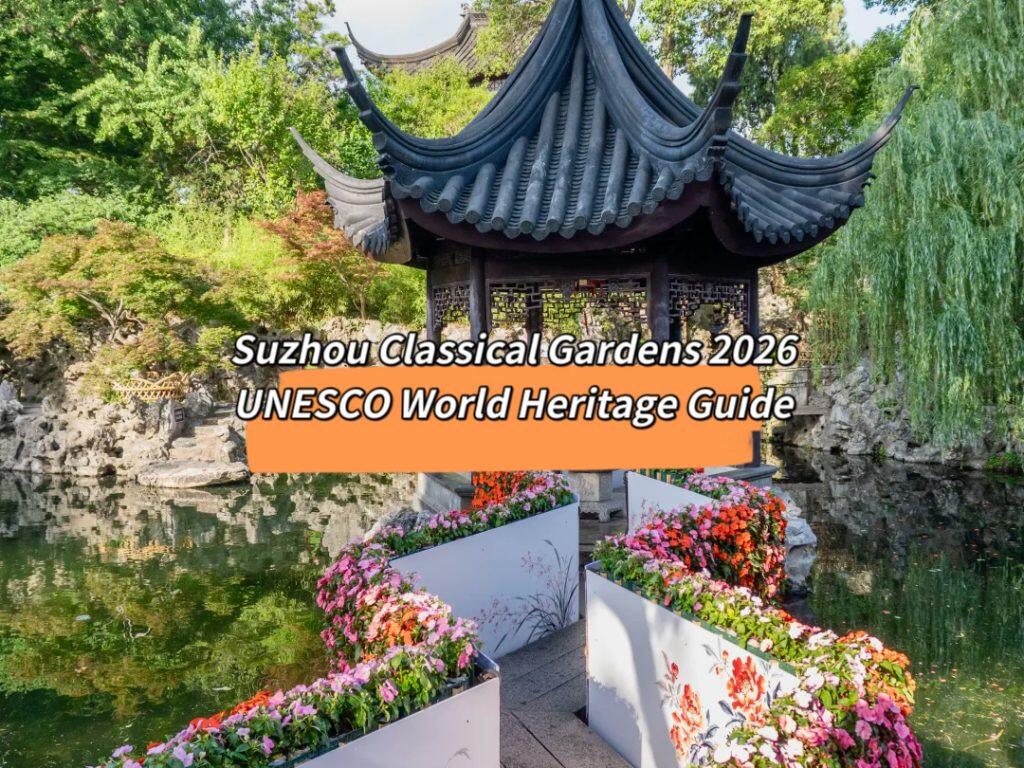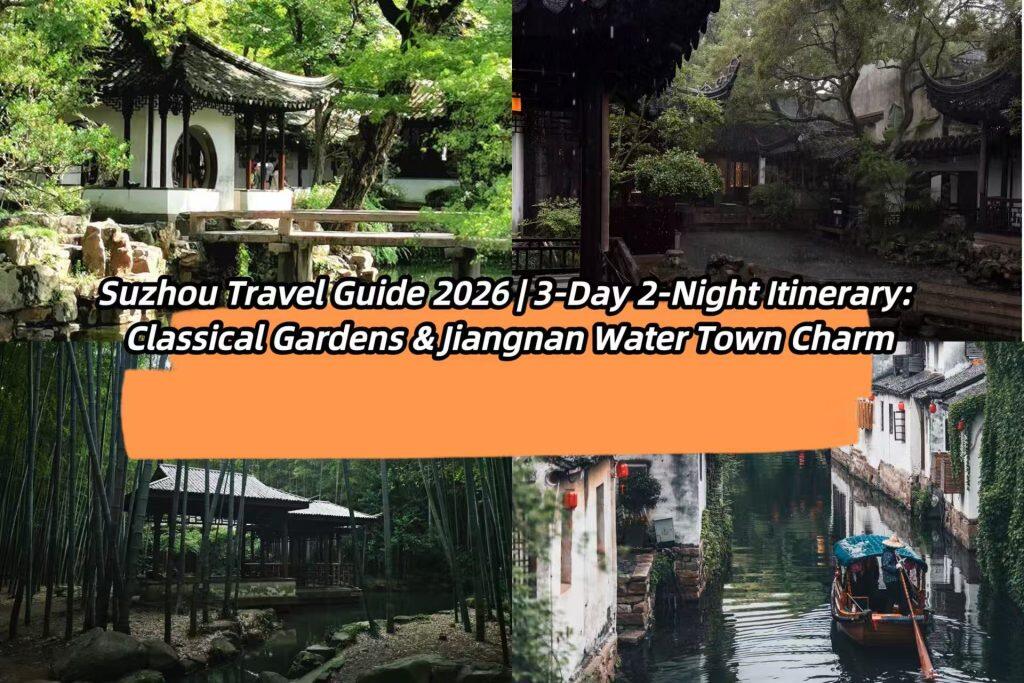
Hey everyone, Mia Chen here — your China travel insider with years on the road. Every traveler who visits Suzhou leaves with the same quiet awe: this is China’s most poetic city. I once only admired its beauty through ancient poems and garden paintings. But after wandering its misty water lanes, gliding beneath arched stone bridges, and breathing in the soft fragrance of garden bamboo and blossoms, I finally understood its timeless charm. Suzhou doesn’t overwhelm you — it gently settles inside your heart.
Having traveled across countless Chinese destinations, Suzhou remains my favorite Jiangnan treasure. It stands apart from bustling modern cities. It moves slowly, with winding canals, world-class classical gardens, time-honored silk heritage, and peaceful old alleyways. It never rushes to impress you, yet every corner whispers delicate, centuries-old elegance.
Let me walk you through a relaxing 3-day 2-night Suzhou journey — that subtle, unmatchable Jiangnan grace where water, gardens, and ancient lifestyle blend into pure, peaceful beauty.
2026 Pre-trip Essential Tips for Suzhou & Jiangnan Travel
Visa & Entry Policy Updates 2026 for Foreign Travelers
Consistent with China’s latest entry regulations, most foreign nationalities can enjoy 30-day visa-free leisure travel across China until late 2026, fully covering all Suzhou and Jiangnan travel itineraries. Eligible travelers do not need to apply for a Chinese tourist L-visa in advance. For international transit passengers heading to a third country, the 144-hour visa-free transit policy is fully implemented in Jiangsu Province, allowing you to explore core Suzhou scenic spots without a valid Chinese visa during your transit period.
Note that seasonal minor adjustments may be made to entry policies. Please verify the latest official announcements from Chinese embassies and consulates before confirming flight tickets and accommodation bookings to ensure a smooth entry and travel experience.
Exclusive Practical Hacks for Foreign Travelers
Mandatory Document Rules
Your original physical passport is mandatory for all scenic spot ticket verification, cultural venue entry checks, hotel registration and roadside security inspections. Digital photos, scanned copies or electronic passport versions are not accepted under any circumstances. It is recommended to store your passport in a waterproof and anti-theft neck pouch, as Suzhou’s humid subtropical climate and occasional sudden rain may damage paper documents.
Unique Local Opening & Visiting Rules
Different from northern Chinese cultural venues that usually close on Mondays, most of Suzhou’s natural water town landscapes, ancient streets and rural scenic areas are open all year round without weekly closures. However, professional garden museums, intangible cultural heritage exhibition halls and ancient craft studios implement weekday maintenance closures or limited opening hours. I will adjust your daily itinerary in advance to avoid fruitless visits and arrange the best visiting time for cultural venues with professional explanation services.
Tipping & Local Etiquette Culture
There is no tipping culture whatsoever in Suzhou and the entire Jiangnan region. Tipping is neither a local custom nor an expected behavior for hotel staff, restaurant waiters, tour guides, craft experience instructors and taxi drivers. Offering tips may even make local residents feel embarrassed and uncomfortable. A sincere verbal compliment or polite gesture is the most respected way to express gratitude locally.
International Payment Solutions
Major high-end hotels, chain restaurants and formal scenic spot ticket offices in Suzhou support foreign-issued Visa, Mastercard and Amex cards. For daily consumption including local snack stalls, ancient street boutique shops, craft experience projects and street tea houses, please download and activate Alipay Tour Pass before arrival. Bind your international credit card and passport in advance to complete convenient mobile payments.
Carrying a small amount of RMB cash is highly recommended for hidden alley snack stalls, elderly craft vendors and rural water town small shops that do not support mobile and foreign card payments.
Climate & Packing Guide
Suzhou features a typical subtropical humid monsoon climate with four distinct seasons, high annual humidity and frequent sudden drizzles, which shapes the unique misty Jiangnan scenery. Please pack lightweight waterproof jackets, quick-dry casual clothes and foldable breathable umbrellas to adapt to changeable weather.
Classical gardens and water town alleys are paved with bluestone slabs that are slippery after rain. Non-slip flat shoes are a must; high heels and bulky suitcases are not suitable for narrow ancient lanes and garden stone paths. In spring and autumn, the morning and evening temperatures are low, so prepare thin windbreakers; in summer, sun protection clothing, hats and sunglasses are essential against strong ultraviolet rays.
Necessary Offline Apps for Foreign Travelers
Network signals in Suzhou’s old town alleys and remote water town areas are unstable. Please download and pre-set the following apps before departure: Google Translate (install offline Chinese language pack for real-time dialect and text translation), English version DiDi (for safe and formal online taxi booking), and offline map software to avoid navigation failures in signal-blind areas.
3-Day 2-Night In-depth Suzhou Itinerary (Garden Aesthetics + Wu Culture + Water Town Lifestyle)
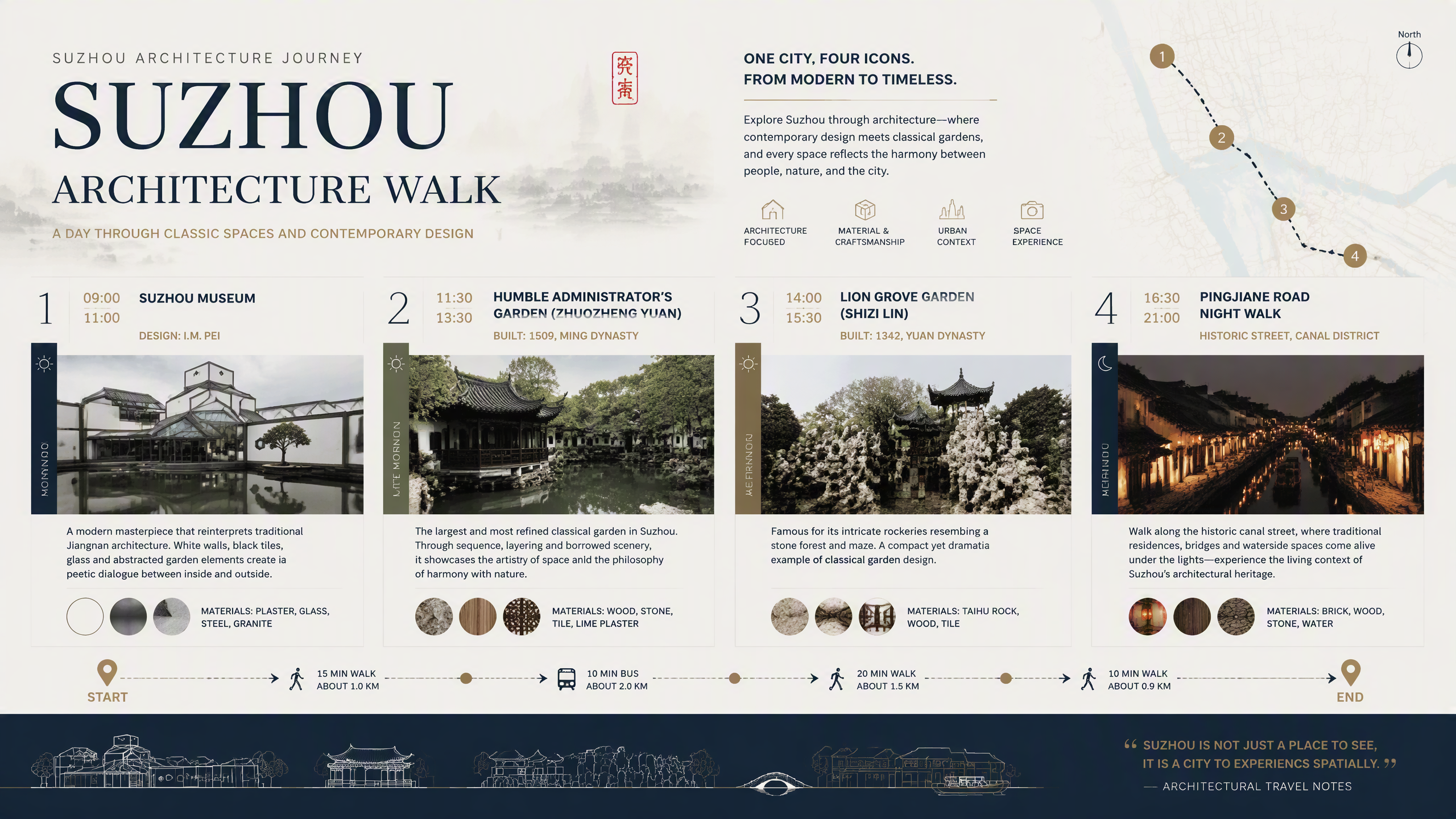
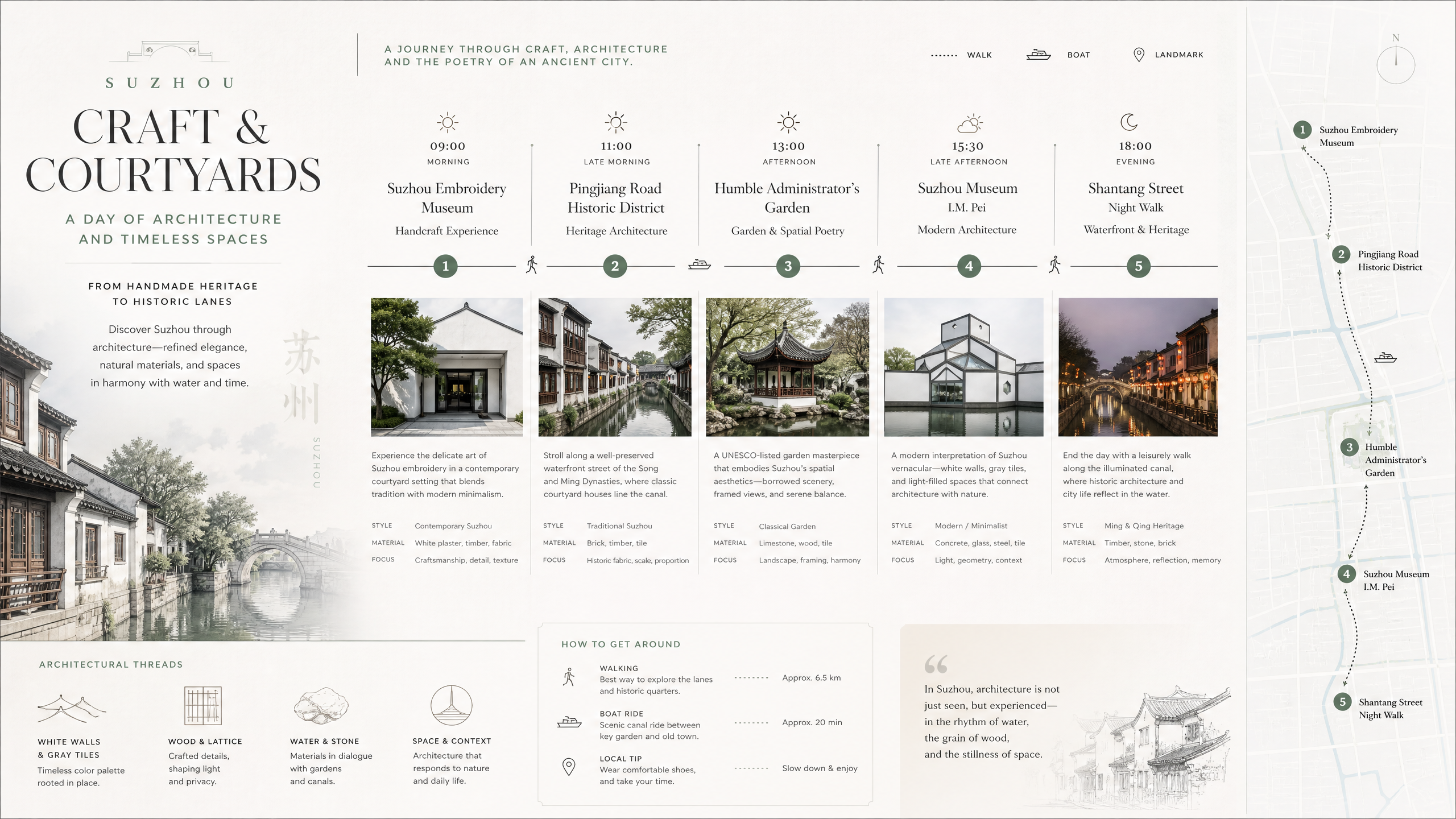
Day 1: Classical Garden Aesthetics & Ancient City Night Charm – Suzhou Museum → Humble Administrator’s Garden → Lion Forest → Pingjiang Road Night Tour
Daily Focus: Unlock the ultimate aesthetic of Chinese classical gardens, interpret the philosophical connotation of “harmony between man and nature” in Jiangnan architecture, and experience the prosperous night style of thousand-year-old Suzhou ancient city.
Suzhou Museum
Designed by the world-renowned Chinese-American architect I.M. Pei, Suzhou Museum is hailed as the final masterpiece of Jiangnan modern minimalist architecture and a must-visit cultural landmark for international art and architecture lovers. Breaking the traditional antique museum design, it perfectly integrates modern geometric aesthetics with traditional Suzhou garden elements including white walls, black tiles, rockery stones and water landscapes.
Different from ordinary exhibition halls that simply display cultural relics, the museum itself is a living artwork. The changing light and shadow with the sun’s movement creates different poetic scenes throughout the day. The indoor exhibition area collects precious Wu-region cultural relics, ancient calligraphy and paintings, and craft treasures spanning thousands of years. Professional English explanation will help you understand the inheritance context of Suzhou’s art, architecture and culture, and feel the unique elegant temperament of Jiangnan aesthetics.
Humble Administrator’s Garden
As one of China’s Four Great Classical Gardens and the representative work of Jiangnan garden art, Humble Administrator’s Garden has a history of more than 500 years and is listed as a UNESCO World Cultural Heritage Site. Unlike crowded commercial scenic spots, it retains the most authentic layout of ancient Chinese private gardens, with no exaggerated commercial decoration, only natural mountains, waters, pavilions and vegetation.
Every window, corridor and stone bridge in the garden is carefully designed, forming a unique “view borrowing” and “frame view” aesthetic technique unique to Chinese gardens. Local professional guides will interpret the ancient literati’s seclusion philosophy and life aesthetics behind every scene. You will learn how ancient scholars integrated their pursuit of natural freedom into garden design, and understand why Suzhou gardens are regarded as the essence of Chinese traditional landscape art.
Lion Forest Garden
Famous for its unique rockery maze, Lion Forest is a classical garden integrating Buddhist culture, stone art and Jiangnan garden style, with a history of more than 800 years. Different from the open and elegant Humble Administrator’s Garden, it is dominated by stacked Taihu stone rockeries with strange and varied shapes, known as the “King of Taihu Stone Gardens”.
The layered rockery caves form a labyrinthine terrain. Walking through the winding stone paths, you can experience the unique fun of traditional garden spatial design. The garden retains ancient Buddhist inscriptions and pavilions, witnessing the integration of Wu-region culture and Zen culture. It is a rare scenic spot that allows you to appreciate both exquisite garden architecture and profound traditional cultural connotation.
Pingjiang Road Historical Block Night Tour & Local Night Experience
Pingjiang Road, with a history of over 2,500 years, is the most complete ancient street retaining the pattern of Suzhou ancient city in the Song Dynasty, and the best place to experience the authentic Jiangnan water town lifestyle. Different from the over-commercialized ancient streets in other cities, most of Pingjiang Road’s branch alleys retain the original residential life of local people.
Night food experience: Taste authentic Suzhou-style dim sum including crispy squirrel fish, osmanthus glutinous rice cake and hand-made jasmine cake at century-old street stalls, and feel the sweet and delicate dietary characteristics of Wu-region cuisine.
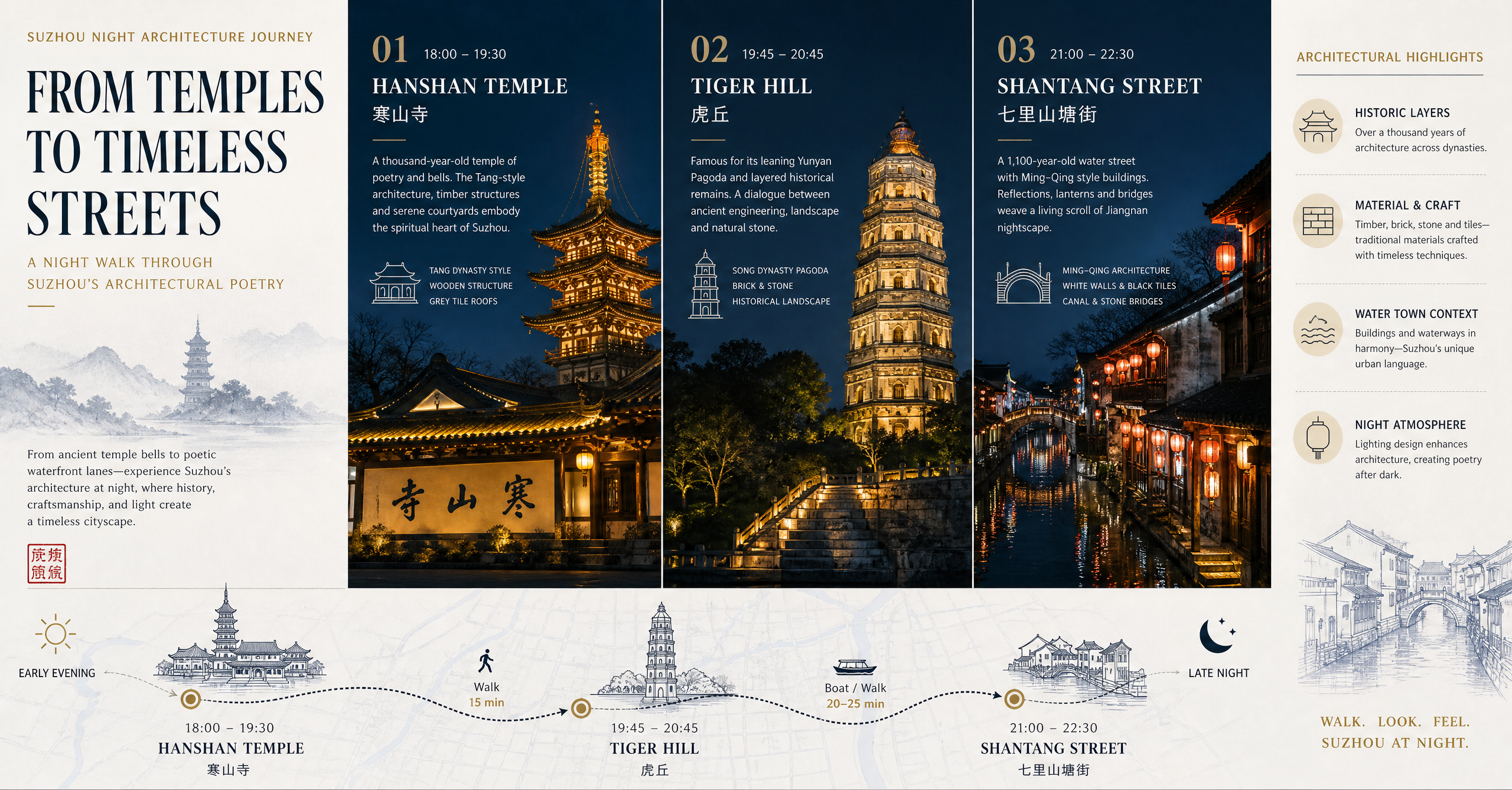
Day 2: Millennium Buddhist Culture & Water Town Ancient Charm – Hanshan Temple → Tiger Hill → Qili Shantang Street Night Tour
Daily Focus: Explore the origin of Suzhou’s millennium Buddhist culture, appreciate the ancient mountain and river landscape praised by literati for thousands of years, and experience the prosperous water town commerce and folk customs of ancient Suzhou.
Hanshan Temple
Famous for the classic Tang Dynasty poem “Mooring by Maple Bridge at Night”, Hanshan Temple is one of China’s most prestigious ancient Buddhist temples and a cultural symbol of Jiangnan Buddhism. Unlike noisy urban temples, it has a quiet and peaceful atmosphere with lush ancient trees, winding corridors and ancient Buddhist halls.
For foreign travelers, this is not only a religious scenic spot, but also a window to understand Chinese Buddhist culture and ancient poetry culture. You can ring the ancient bell to pray for blessings, watch the traditional Buddhist incense ceremony, and listen to the professional interpretation of the poem’s background and Buddhist culture inheritance. The temple retains a large number of ancient stone inscriptions, calligraphy and paintings, carrying the cultural memories of Jiangnan for thousands of years.
Tiger Hill Scenic Area
Known as the “First Sight of Suzhou”, Tiger Hill is a famous scenic spot integrating natural landscape, ancient relics and historical stories, with a history of more than 2,500 years. The great ancient litterateur Su Shi once said, “A trip to Suzhou is incomplete without visiting Tiger Hill”, which fully reflects its unique charm.
The scenic area is not crowded with tourists, retaining a quiet and primitive natural atmosphere. The ancient Yunyan Pagoda standing on the mountain has stood for thousands of years, with vicissitudes of historical traces. Walking along the mountain path shaded by ancient trees, you can overlook the layered Jiangnan pastoral scenery and ancient city panorama. Professional guides will tell you the ancient legends of Wu and Yue kingdoms, helping you understand the profound historical heritage behind Suzhou’s landscape.
Qili Shantang Street Night Tour & Folk Experience
Qili Shantang is a thousand-year-old commercial ancient street along the river, which was the most prosperous water transportation and commercial center in ancient Suzhou. Different from Pingjiang Road’s quiet literary style, Shantang Street presents a lively and down-to-earth Jiangnan market style.
At night, the whole street is full of lanterns, with ancient boats shuttling on the river and folk shops lined up on both sides. You can watch traditional folk performances including sugar-fried chestnuts making, dough figurine carving and folk opera, interact with local folk craftsmen, and experience the lively market customs of ancient Jiangnan. The night view of river water reflecting lanterns and ancient bridges spanning the river perfectly interprets the classical charm of “Jiangnan water town, a dreamy ancient city”.
Night arrangement: Taste authentic Suzhou local dishes including braised river shrimp, Wuxi spare ribs and local seasonal stir-fries, and experience the fresh and sweet flavor system of Jiangnan cuisine.
Day 3: Intangible Cultural Heritage Immersion & Slow Local Lifestyle – Traditional Craft Experience → Ancient Alley Leisure Stroll → Departure
Daily Focus: Deeply experience Suzhou’s intangible cultural heritage craftsmanship that has been passed down for hundreds of years, integrate into the local slow life of ancient city residents, and end the journey with pure Jiangnan cultural perception.
On the final day, we arrange a fully relaxed schedule without rush and tight arrangements, focusing on cultural immersion and local life experience rather than simple sightseeing. We will visit a hidden intangible cultural heritage studio that is rarely known by ordinary tourists, led by local veteran craftsmen who have inherited traditional skills for decades.
You can experience three core Jiangnan traditional crafts: Suzhou silk hand-weaving, ancient brick carving decoration and osmanthus candy handmade production. Suzhou silk is one of China’s top traditional silk crafts, with delicate texture and elegant patterns. Under the guidance of craftsmen, you can learn the basic weaving techniques, understand the inheritance history of Jiangnan silk culture, and make your own small silk handicraft as a unique travel souvenir.
Ancient brick carving is a characteristic craft of Suzhou garden architecture. You can experience the simple carving process, appreciate the exquisite pattern design of traditional Jiangnan architecture, and understand the aesthetic connotation of ancient Chinese architectural decoration. The handmade osmanthus candy making experience allows you to taste the exclusive sweet flavor of Jiangnan and feel the wisdom of ancient folk food craftsmanship.
In the afternoon, we will stroll through the quiet non-commercial ancient alleys of Suzhou old town, stay away from tourist crowds, walk along bluestone roads lined with ancient houses, watch local elderly residents drink tea, chat and enjoy leisure time, and experience the real slow life of Suzhou people. You can taste the last bite of authentic street snacks, feel the gentle and elegant daily atmosphere of Jiangnan, and end this cultural and aesthetic journey perfectly. Finally, transfer to Suzhou railway station or airport for departure.
Recommended Accommodation Layout (3D2N Exclusive)
To avoid repeated long-distance transfers and fully adapt to the slow-paced Jiangnan travel rhythm, we adopt a scientific accommodation arrangement:2 nights in Suzhou Ancient City Core Area, covering all classical gardens, ancient streets and urban cultural experiences, ensuring walking-distance access to core scenic spots and authentic local life.
Suzhou Ancient City Core Area (2 Nights: Day1-Day3)
Top pick: Pingjiang Road & Shantang Street Surroundings. This century-old core area retains the complete pattern of ancient Suzhou’s “parallel rivers and streets”, integrating ancient Wu culture, garden aesthetics and modern casual life. The accommodation options cover international chain hotels, Jiangnan-style courtyard boutique guesthouses and cost-effective themed lodges, all equipped with English-friendly services and 24-hour supporting facilities.
The surrounding area is free of modern high-rise buildings, dominated by white-walled and black-tile ancient architecture. You can easily reach major classical gardens, ancient teahouses and intangible cultural heritage studios on foot. The alleys are dotted with local breakfast stalls, time-honored restaurants and quiet book bars, allowing you to integrate into the slow Jiangnan life from the moment you check in. Most shop owners and residents can communicate with simple English, bringing a friendly and comfortable cross-cultural experience for foreign travelers.
Must-Try Authentic Suzhou Local Food (Foreign Travelers’ Top Picks)
Signature Local Dishes
Squirrel-Shaped Mandarin Fish
The most representative classic Suzhou dish and a national-level traditional Chinese cuisine. The fresh river fish is finely cut into a squirrel shape, fried until crispy, and topped with sweet and sour special sauce. The meat is tender and crispy with a rich layered taste, no fishy smell, and the sweet and sour flavor is highly acceptable to international tourists. It perfectly embodies the exquisite and delicate cooking philosophy of Jiangnan cuisine.
Suzhou Braised Pork & River Shrimp
Typical Wu-region home-cooked dishes. Local free-range pork is braised with ancient formula sauce, tender and glutinous but not greasy; fresh river shrimp from Suzhou’s water towns is steamed and braised to retain the original fresh flavor of aquatic products. The taste is light and fresh, in line with the healthy dietary characteristics of Jiangnan cuisine, and very popular among foreign travelers.
Silk Noodle Soup & Suzhou Noodles
A century-old staple food for local Suzhou residents. Different from northern noodles with heavy sauce, Suzhou noodles focus on delicate and clear soup base, with fresh and light flavor. The hand-made noodles are smooth and chewy, matched with seasonal side dishes including mushrooms, bamboo shoots and river shrimps. It is the most down-to-earth local delicacy that carries the daily life of Suzhou people.
Classic Street Snacks
Osmanthus cake, jasmine glutinous rice cake, taro cake, fried rice cake and Suzhou green rice dumpling. It is strongly recommended to taste these snacks at community old stalls hidden in ancient alleys rather than overpriced tourist shops, to experience the most authentic folk flavor of Jiangnan. In addition, Suzhou’s special sour plum soup and osmanthus tea are perfect seasonal drinks to relieve summer heat and refresh the mind.
Practical Transport Guide for Foreign Travelers
Urban Metro & Scenic Shuttle Buses
Suzhou’s urban metro system and core scenic shuttle buses are fully equipped with English station names and real-time English broadcast, with low fares and stable operation. The operating time is roughly 06:00-23:00. It is recommended to avoid morning and evening rush hours to enjoy a more comfortable riding experience. The metro covers most classical gardens, ancient streets and cultural venues, which is the most cost-effective travel mode.
English Version DiDi Ride-hailing
Download the international English version of DiDi, bind your international credit card, and input scenic spot names and accommodation addresses in English. Local drivers are familiar with all core tourist attractions and can communicate with simple daily English. The service is safe, formal and transparent in pricing, which is the most convenient choice for private travel between scenic spots.
Scenic Area Transfer Tips
Choose official scenic area shuttle buses or regular formal private transfer services exclusively for foreign tourists. Never take unlicensed private black cars on the street to avoid arbitrary pricing and travel risks. All garden ticket reservations and ancient river boat tickets need to be booked through official channels in advance to avoid no tickets on site.
Pre-departure Quick Checklist 2026
☑ Confirm 2026 China visa-free entry eligibility and passport validity (valid for more than 6 months)
☑ Pre-book tickets for Suzhou Museum, core classical gardens and ancient river boat trips
☑ Install Alipay Tour Pass, English DiDi and offline Google Translate with Chinese package
☑ Prepare non-slip flat shoes, quick-dry clothes, waterproof gear and sun protection supplies
☑ Reserve a small amount of RMB cash for alley stall consumption and manual experience projects
☑ Prepare portable power bank to cope with unstable network and power supply in ancient alleys

Mia Chen
Mia Chen is a 30‑year‑old tour guide. She has explored Suzhou thoroughly
and hosted many international visitors. She is passionate and knowledgeable
about classical gardens, canal culture and local silk heritage, enriching every tour
with her down‑to‑earth, firsthand insights.