Hi, I’m Lila Jiang, a China travel professional with over 5 years of experience. During these five years, I’ve traveled extensively around China.Meanwhile, I have a certain understanding of the subway transportation in various cities.Shenzhen’s metro system, one of the most dynamic and tech-integrated networks in South China, is more than just a convenient mode of transportation—it’s the key to uncovering the city’s blend of futuristic innovation, coastal charm, and vibrant local culture.
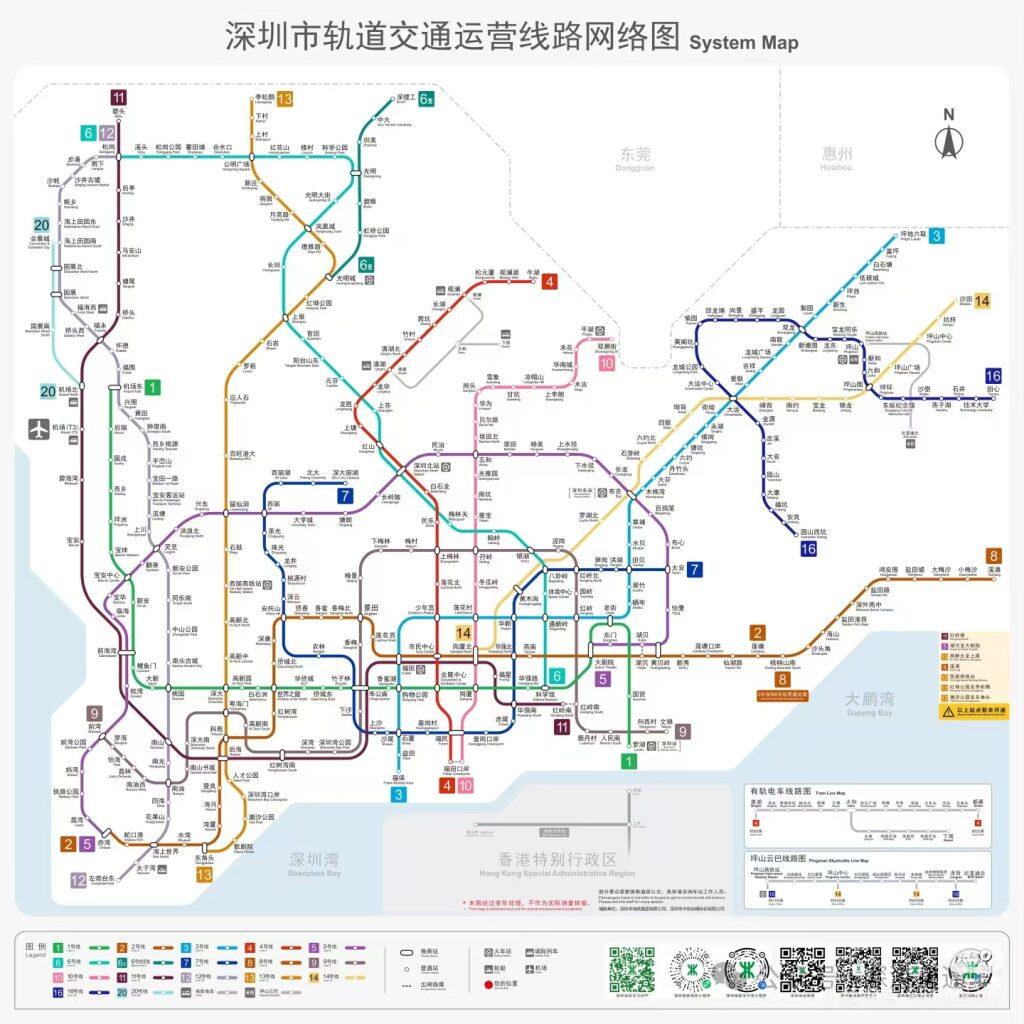
With over 20 metro lines and more than 500 stations, Shenzhen’s subway network connects nearly every major tourist destination, tech hub, and local neighborhood. Whether you’re here to visit cutting-edge theme parks, stroll along coastal promenades, or dive into bustling food streets, the metro will get you there with ease. In this guide, I’ll walk you through the Shenzhen Metro Map, highlight the must-visit stations, and provide tips to help you plan a seamless and enjoyable metro journey in this fast-growing metropolis.
Shenzhen Metro Overview – Why It‘s Your Best Friend in the City
Let me be completely honest with you — when I first arrived in Shenzhen, I was completely overwhelmed. The city felt like it was built at lightning speed, the skyscrapers were everywhere, and the metro map looked like a maze of colorful lines that I had no hope of understanding. But after five years of riding this system almost every single day, I can tell you this without any hesitation: the Shenzhen Metro is one of the most efficient, cleanest, and traveler-friendly subway networks I have ever used anywhere in the world. And I‘ve traveled a lot.
As of 2026, Shenzhen operates 16 metro lines (with some sources reporting 17 lines including the 6 branch line) spanning over 634.5 kilometers with 441 stations, achieving full coverage across all 10 districts of the city. And here‘s the kicker — in June 2026, the brand new Line 13 Phase 2 North Extension officially opened, pushing the total operating mileage to 653.7 kilometers with 452 stations. That‘s not just big — that‘s absolutely massive. The network density of Shenzhen Metro now ranks first among all mainland Chinese cities. Think about that for a second — this city went from having zero metro lines in 2004 to becoming the most densely networked city in the country in just 22 years. That‘s the Shenzhen spirit right there.
What I love most about the Shenzhen Metro is how ridiculously affordable it is. The system uses a distance-based fare system — the more you ride, the cheaper it gets per kilometer. A short ride costs as little as 2 RMB (about 30 cents USD), and even a long cross-city journey rarely exceeds 10 RMB. Compare that to taxi fares or the stress of navigating Shenzhen‘s sometimes chaotic traffic, and you‘ll quickly see why the metro is the smartest choice for any Shenzhen metro trip.
The trains run from roughly 6:00 AM to 11:00 PM daily, with frequencies as tight as 2-4 minutes during peak hours. Announcements are made in Mandarin, Cantonese, and English — so even if you don‘t speak a word of Chinese, you‘ll know exactly when to get off. Most stations have bilingual signs, and the system is incredibly user-friendly for international visitors.
Here‘s a local secret that I wish someone had told me on day one: download the official Shenzhen Metro app or set up the metro QR code in WeChat or Alipay before you arrive. Trust me, fumbling with ticket machines while a queue forms behind you is absolutely not the vibe you want on your first day in this amazing city. Set it up in advance, and you‘ll glide through the gates like a pro while everyone else is still trying to figure out which coins to use.
One more thing that makes Shenzhen special — the metro system here connects to Hong Kong‘s MTR at Luohu Station and Futian Checkpoint Station, where passengers can transfer to Hong Kong‘s East Rail Line. So if you‘re planning a cross-border trip, the metro has you covered. This is one of the few cities in the world where you can take a subway from one country‘s city center and emerge in another country‘s downtown — and that‘s pretty incredible.
Key Metro Lines You‘ll Use on Your Shenzhen Metro Trip
You don‘t need to memorize all 16 lines — I certainly haven‘t. But there are a few absolute must-know lines that will carry you to 90% of the places you want to go. Here‘s my cheat sheet based on years of trial, error, and countless happy discoveries:
🔴 Line 1 (Luobao Line – Red – East-West Backbone) – This is the granddaddy of them all — Shenzhen‘s very first metro line, which opened back in 2004. It runs from Luohu in the east all the way to Airport East in the west, operating from about 6:20 AM to 11:00 PM. Line 1 is your ticket to the city‘s heart, passing through Laojie (one of the oldest and most vibrant shopping areas in Shenzhen, with a transfer to Line 3), Huaqiang Road (the famous electronics market — I‘ve spent way too much money here on gadgets I didn‘t need), Window of the World (where you can see miniature versions of global landmarks, with a transfer to Line 2), and High-Tech Park (the heart of Shenzhen‘s tech scene). If you‘re here for business, shopping, or just want to experience the full spectrum of Shenzhen life, Line 1 is your ride.
🟠 Line 2 (Shekou Line – Orange – West Coastal Line) – This is my personal favorite for weekend exploring. It runs from Chiwan in the west all the way to Xiaomeisha in the east, operating from about 5:50 AM to 10:44 PM. What makes Line 2 special is the incredible variety of experiences along the way — you can start your morning at Shekou Port (where you can catch a ferry to Hong Kong or Macau), then ride to Sea World for some fantastic seafood and waterfront dining, pass through Houhai (the new CBD with all the shiny skyscrapers, with a transfer to Line 11), and end your day at Xiaomeisha for a sunset walk on the beach. A local tip: get off at Window of the World (transfer with Line 1) and spend an afternoon walking through miniature Eiffel Towers and Pyramids — it‘s cheesy but somehow always delightful.
🔵 Line 3 (Longgang Line – Blue) – This line connects Futian Bonded Area in the south to Pingdi Liulian in the northeast, operating with 38 stations. It‘s your gateway to the eastern parts of the city, passing through Shopping Park, Children‘s Palace, and Dafen (the famous oil painting village where you can get custom portraits done for a fraction of what they‘d cost back home). I once got a portrait of my dog painted here and it‘s one of my most treasured possessions.
🟢 Line 4 (Longhua Line – Green) – This line is special because it‘s operated by MTR Corporation (the same company that runs Hong Kong‘s metro), so you‘ll notice it feels a bit different — slightly cleaner, slightly more polished. It runs from Futian Checkpoint (where you can cross into Hong Kong) all the way to Niuhu in the north. This is the line you want if you‘re staying in the Longhua area or if you need to get to Shenzhen North Station (one of the city‘s major high-speed rail hubs, also served by Lines 5 and 6).
🟣 Line 5 (Huanzhong Line – Purple) – This is the ring line that connects the outer parts of the city. It runs from Chiwan to Grand Theatre (with the western extension already open). What I love about Line 5 is that it hits so many diverse neighborhoods and connects to almost every other line in the system. It‘s the line you use when you‘re not sure which line to take — just hop on Line 5 and you‘ll eventually get where you need to go.
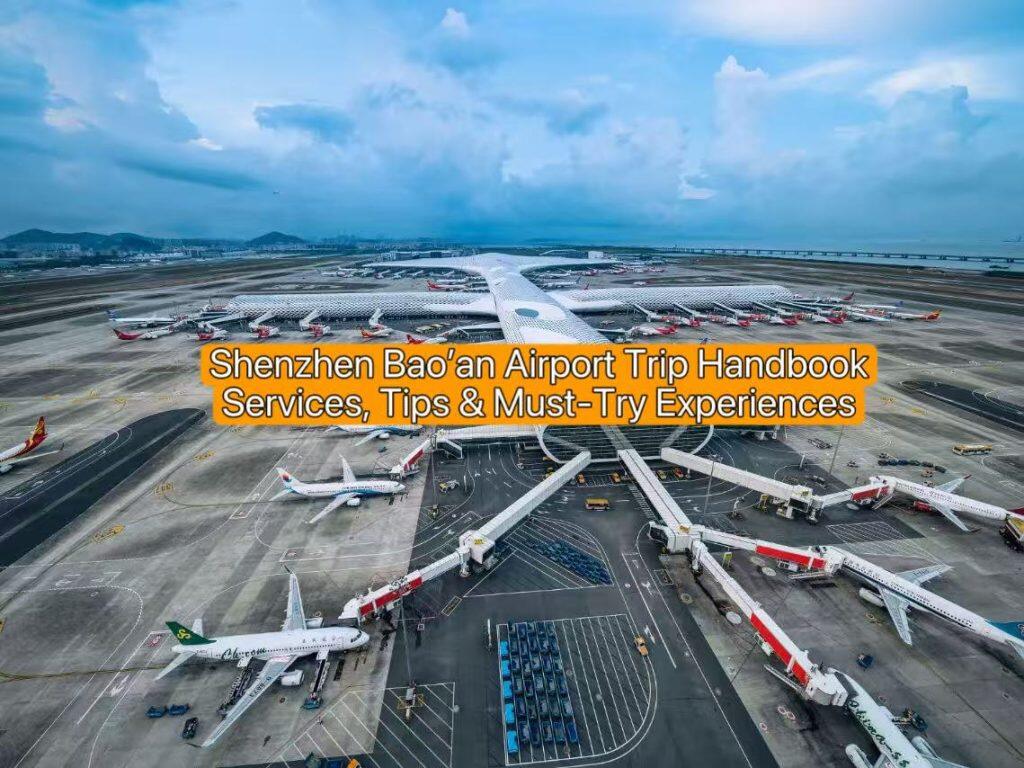
✈️ Line 11 (Airport Line – Dark Blue) – This is how you get from Shenzhen Bao‘an International Airport into the city center. It‘s fast, it‘s comfortable, and it has business carriages (more on that later). The line runs from Bitou in the northwest to Hongling South in the city center (with Phase 2 already open). If you‘re flying into Shenzhen, Line 11 will probably be your first encounter with the metro — and it‘s a good one.
🆕 Line 13 (Shiyan Line – The New Star) – This is the line everyone in Shenzhen is talking about in 2026. Line 13 Phase 2 North Extension officially opened on June 28, 2026, adding 19.25 kilometers and 11 new stations. The line runs from Shenzhen Bay Checkpoint Station all the way up to Lisonglang Station in Guangming, forming a 41.69-kilometer north-south artery that connects Nanshan, Bao‘an, and Guangming districts. Here‘s the game-changer: with this new line, you can now travel from Guangming Center to Nanshan Center in just about 45 minutes. The line is fully automated with 8-car A-type trains and runs daily from 6:30 AM to 11:00 PM. And the stations are absolutely stunning — Phoenix City Station, Xinzhuang Station, and others feature traditional cultural elements mixed with futuristic technology. When I first rode this line on opening day, the station was packed with excited locals taking photos and celebrating — it felt like a city festival.
How to Buy Metro Tickets in Shenzhen (Like a Local)
Okay, let‘s talk about the practical stuff — because nothing kills the excitement of a Shenzhen metro trip faster than standing helplessly in front of a ticket machine with a long line forming behind you. I‘ve been there, and it‘s not fun. Here‘s everything you need to know.
Option 1: QR Code Scanning (My Absolute Top Pick) – This is what I use every single day and it‘s honestly life-changing. Use the WeChat mini-programs “Shenzhentong+” or “Passenger Code” or the official “Shenzhen Metro” app to generate a QR code. At the gate, just scan the QR code, walk through, and scan again when you exit. The fare is automatically calculated and deducted based on your entry and exit stations. It‘s seamless, it‘s fast, and it saves you from carrying loose change or figuring out complicated fare calculations. If you‘re visiting from overseas, set this up before you leave — it takes five minutes and saves you hours of frustration. One important note: the QR code is only for personal use — it‘s “one person, one code” and cannot be shared.
Option 2: Shenzhentong Card – This is Shenzhen‘s official transportation card, and it works on buses, metro, and even some convenience stores. You can buy one at any metro station for a refundable deposit, then top it up with cash. If you‘re staying for a week or more, this card is incredibly convenient, especially as a backup when your phone battery dies (which, let‘s be honest, always happens at the worst possible moment).
Option 3: Single-Journey Tokens – These are the plastic tokens you get from ticket vending machines. They work fine for one-off rides, but I honestly don‘t recommend them for tourists. Why? Because you need exact change or small bills, the machines can be confusing if you don‘t read Chinese, and you have to queue twice — once to buy, once to exit (you insert the token into the exit gate). It‘s doable, but it‘s the least convenient option.
Option 4: Business Carriage Tickets – Here‘s something unique to Shenzhen. Line 11 offers business carriages with more comfortable seating and fewer people. If you want to ride in style, you need to buy a special yellow single-journey ticket from the business carriage ticket machines, or use your Shenzhentong card or QR code with a validation machine on the platform before boarding. Business carriage fares are about 3 times the regular fare. Is it worth it? If you‘re traveling during rush hour with luggage, absolutely yes. I‘ve paid the extra few RMB many times just to avoid the crowd and enjoy a peaceful ride.
Option 5: Multi-Day Passes – Shenzhen offers 1-day and 3-day passes that give you unlimited rides. If you‘re planning a sightseeing marathon, these are fantastic value.
Pro tip from painful experience: Always carry a backup payment method. I‘ve had my phone battery die mid-trip more times than I‘d like to admit, and having a Shenzhentong card in my wallet saved me every single time. Also, make sure you use the same app for both entry and exit — mixing different apps will cause problems at the gate.
Important Tips for a Smooth Shenzhen Metro Trip
After hundreds of metro rides across Shenzhen, I‘ve compiled a list of lessons learned the hard way — so you don‘t have to.
🕐 Rush Hour Is Real – Plan Accordingly – Line 1 and Line 3 between 8:00-9:00 AM and 6:00-7:00 PM are genuinely some of the most crowded train experiences you‘ll ever have. I‘m talking shoulder-to-shoulder, personal-space-is-a-memory packed. If you‘re traveling with luggage, small children, or just value your personal space, avoid these times at all costs.
🧳 Luggage Etiquette – If you‘re carrying large suitcases, use the elevators, not the escalators. I‘ve watched too many tourists struggle with rolling luggage on moving stairs, and it‘s both dangerous and stressful. Every station has accessible elevators — just look for the signs.
🚻 Bathroom Locations – Need to find a restroom in a hurry? The Shenzhen Metro app has a station facility finder that shows you exactly where the bathrooms are. This has saved me more times than I care to count — especially after a big meal.
📱 Stay Connected – Free Wi-Fi is available on most trains and in stations, but it can be spotty. I recommend getting a local SIM card or an eSIM before you arrive so you‘re never stranded without navigation. Baidu Maps and Amap are more accurate for metro routes in China than Google Maps.
💬 Language – Station announcements are in Mandarin, Cantonese, and English. Signs are bilingual too. When in doubt, just show your destination station name (in Chinese characters) to a staff member — they‘re universally helpful and used to assisting tourists.
🚪 Check for Temporary Closures – Some station exits may be temporarily closed due to construction. For example, in 2026, Chegongmiao Station Exits G1, G2, and H were closed for several months. Always check the Shenzhen Metro app or official announcements before heading out.
🌉 Cross-Border Travel – If you‘re planning to cross into Hong Kong, remember that Luohu Station (Line 1) and Futian Checkpoint Station (Line 4) connect to Hong Kong‘s MTR East Rail Line. You‘ll need your passport and any required visas — the metro can‘t help you with that part!
🍜 Food Etiquette – Please, for the love of everything good, don‘t eat or drink on the train. Nobody wants to smell your spicy noodles in a crowded carriage. Save the snacking for when you get off — and trust me, there‘s always an incredible restaurant waiting for you right outside the station.
FAQ – Your Shenzhen Metro Trip Questions
Q: What‘s the absolute best way to pay for the metro as a tourist in 2026?
A: Without a doubt, use the QR code feature in WeChat or Alipay through the Shenzhentong+ or Passenger Code mini-programs. This is what I‘ve been using for years, and it‘s honestly the most stress-free option. You don‘t need to worry about buying tickets, calculating fares, or carrying exact change — just scan your phone at the gate and go. The fare is automatically calculated and deducted when you scan out. If you‘re worried about your phone battery (and trust me, I‘ve been there), get a Shenzhentong card as a backup — they work on buses too and give you the same convenience. One thing to note: the QR code system is “one person, one code” — you can‘t scan for multiple people with one phone. If you‘re traveling with family or friends, everyone needs their own code or card. It takes a few minutes to set up, but it‘s absolutely worth it for the convenience. And if you‘re feeling fancy and want to ride the business carriage on Line 11, make sure you buy the special yellow ticket or validate your card on the platform before boarding — you don‘t want to get caught without the right ticket and have to awkwardly move to the regular carriage mid-ride.
Q: How do I get from Bao‘an International Airport to the city center using the metro?
A: This is one of the most common questions I get, and the answer is refreshingly simple: take Metro Line 11 directly from the airport into the city. The airport has a dedicated metro station integrated right into the terminal — just follow the signs for “Metro” after you collect your luggage. The journey takes about 30-40 minutes depending on your final destination, and trains run frequently from early morning until around 11:00 PM. What I love about Line 11 is that it offers business carriages — if you‘re arriving with luggage and want a more comfortable ride, I highly recommend paying the extra few RMB for the business carriage. It‘s less crowded and has more space for your bags. I‘ve made this trip dozens of times and never once regretted choosing the train over a taxi. The taxi ride from the airport can take anywhere from 45 minutes to over an hour depending on traffic, and it‘ll cost you at least 10 times more. The metro is faster, cheaper, and more reliable. One thing to keep in mind: if you‘re heading to the eastern parts of the city like Longgang, you might need to transfer from Line 11 to Line 1 or Line 3 at one of the interchange stations. But honestly, the transfers are well-marked and the whole journey is pretty straightforward.
Q: Is the Shenzhen Metro easy to navigate for someone who doesn‘t speak Chinese?
A: Yes — and I say this as someone who arrived in Shenzhen with exactly zero Mandarin skills. All stations have bilingual signs in Chinese and English, and train announcements are made in Mandarin, Cantonese, and English. The metro map is color-coded and intuitive, and the official app has an English interface. That said, I‘ll give you one piece of honest advice: download a metro map app before you arrive and save it offline. Some of the older stations have less consistent English signage, and having a backup map on your phone gives you total peace of mind. Also, don‘t be shy about asking staff for help — they‘re used to assisting tourists and many speak basic English. I‘ve had station staff walk me to the right platform more than once, and they were always patient and kind. One thing I‘ve learned: if you‘re really stuck, just show the staff the Chinese characters for your destination station on your phone — they‘ll point you in the right direction immediately. And if all else fails, the station maps are color-coded, so you can always find your way by matching colors. Also, if you‘re planning to cross into Hong Kong, the announcements at Luohu and Futian Checkpoint stations are extra clear — they know a lot of international travelers pass through there.
Q: What are the must-see attractions that are easily accessible by metro?
A: Oh, this is my favorite question because Shenzhen‘s metro literally takes you everywhere worth going. Here are my absolute must-visits: Window of the World – take Line 1 or Line 2 to Window of the World station and spend an afternoon walking through miniature versions of the Eiffel Tower, the Pyramids, and over 130 other global landmarks. It‘s touristy but genuinely fun. Huaqiang Road – take Line 1 to Huaqiang Road station and prepare to be amazed by the largest electronics market in China. I‘ve bought everything from phone cases to drones here. Overseas Chinese Town (OCT) – take Line 1 to OCT station for art galleries, creative spaces, and some of the best coffee shops in the city. Dafen Oil Painting Village – take Line 3 to Dafen station and get a custom portrait painted for a fraction of what it would cost anywhere else. I got one of my grandmother and it‘s now hanging in my living room. Shekou – take Line 2 to Sea World or Shekou Port station for fantastic seafood, waterfront dining, and a great view of the bay. And here‘s a local secret: instead of just hitting the tourist traps, take Line 2 all the way to Xiaomeisha for a beach day, or take the new Line 13 to explore Guangming District and see the futuristic architecture of Guangming Science City. The beauty of the Shenzhen Metro is that every station opens up a new neighborhood to explore, and some of the best experiences are the ones you stumble upon by accident. Just pick a line, get off at a random station, and start walking — you‘ll discover something amazing, I promise.

Lila Jiang
She is Lila Jiang, a 28-year-old girl.
With over 10 years in the travel industry, she’s chased wanderlust near and far;
what she loves most is diving into local cultures,
finding hidden gems, and connecting with people who bring journeys to life.
Essential Metro Map Guide
Your Ultimate Guide to the Shanghai Metro Map
Your Ultimate Guide to the Beijing Metro Map
Your Perfect Guide to the Guangzhou Metro Map
Chengdu Metro Trip Guide: Easy Navigation
Essential Shenzhen Metro Trip Guide
Hangzhou Metro Travel Guide: Top Tips
Chongqing Metro Guide: Smooth Trip Tips
Xiamen Metro Trip Guide: Easy to Navigate
Essential Kunming Metro Trip Guide for Visitors
Nanjing Metro Travel Guide: Top Practical Tips
Qingdao Metro Guide: Must-Know Trip Tips
Harbin Metro Travel Guide for a Perfect Trip
Zhengzhou Metro Guide: Essential Trip Tips
Changsha Metro Travel Guide: Smooth Journey Tips
Popular City Travel Guides
Beijing Travel Guide Shanghai Travel Guide Hangzhou Travel Guide Sanya Travel Guide Chongqing Travel Guide
Nanjing Travel Guide Guangzhou Travel Guide ChengduTravel Guide Hongkong Travel Guide Xi’an Travel Guide