Hello, I‘m Mike Wang. Over the past two decades of guiding travelers through China’s most extraordinary places, I‘ve learned that the best experiences are often found in the quietest corners. And Zhaoxing Dong Village is exactly that — a hidden gem tucked deep in the mountains of southeastern Guizhou that has stayed remarkably true to its roots for over a thousand years. I still remember my first visit: walking through the ancient village gate as the sound of polyphonic singing drifted from a wooden drum tower, watching the sunset paint the tiled roofs in shades of gold, and sitting by the creek as the night lights flickered on one by one. I knew then that I had discovered something truly special.
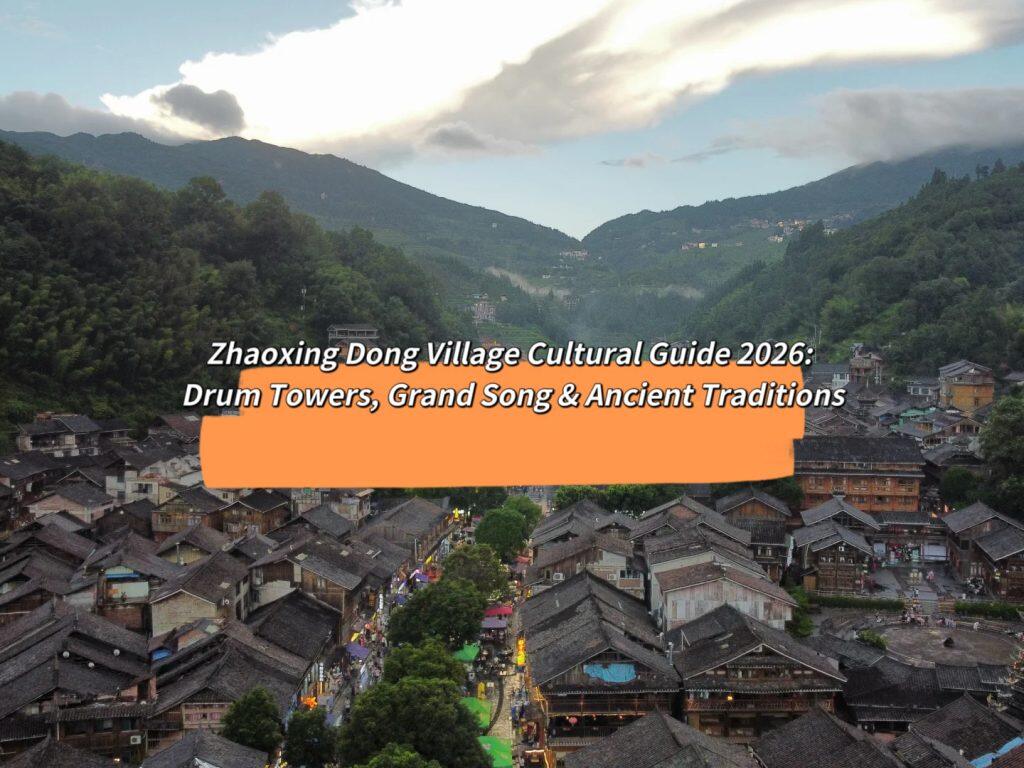
Located in Liping County, Qiandongnan Miao and Dong Autonomous Prefecture, Guizhou Province, Zhaoxing is the largest Dong ethnic village in China and a national 5A-level scenic area. It is home to the Guinness World Record drum tower complex and has been hailed by National Geographic as a “must-visit millennium-old ancient village in a lifetime”. Known as the “Number One Dong Village” and celebrated as one of China‘s most beautiful ancient towns, this is a place where time moves slowly, where the ancient “three treasures” of the Dong people — drum towers, wind and rain bridges, and the Grand Song — are not museum pieces but living, breathing parts of daily life. If you are planning your Guizhou trip 2026, this Zhaoxing Dong Village travel guide 2026 will give you everything you need — from the five iconic drum towers to the breathtaking terraced fields of Tang‘an, from the soul-stirring Dong Grand Song to the best local foods and insider secrets. Let me share what I‘ve learned from two decades of bringing travelers to this “village on the edge of time.”
🏮 Why Zhaoxing Dong Village 2026 Belongs on Your China Bucket List
You might be thinking, “Another ancient village?” But Zhaoxing is profoundly different. Here‘s why I keep bringing travelers back here, year after year.
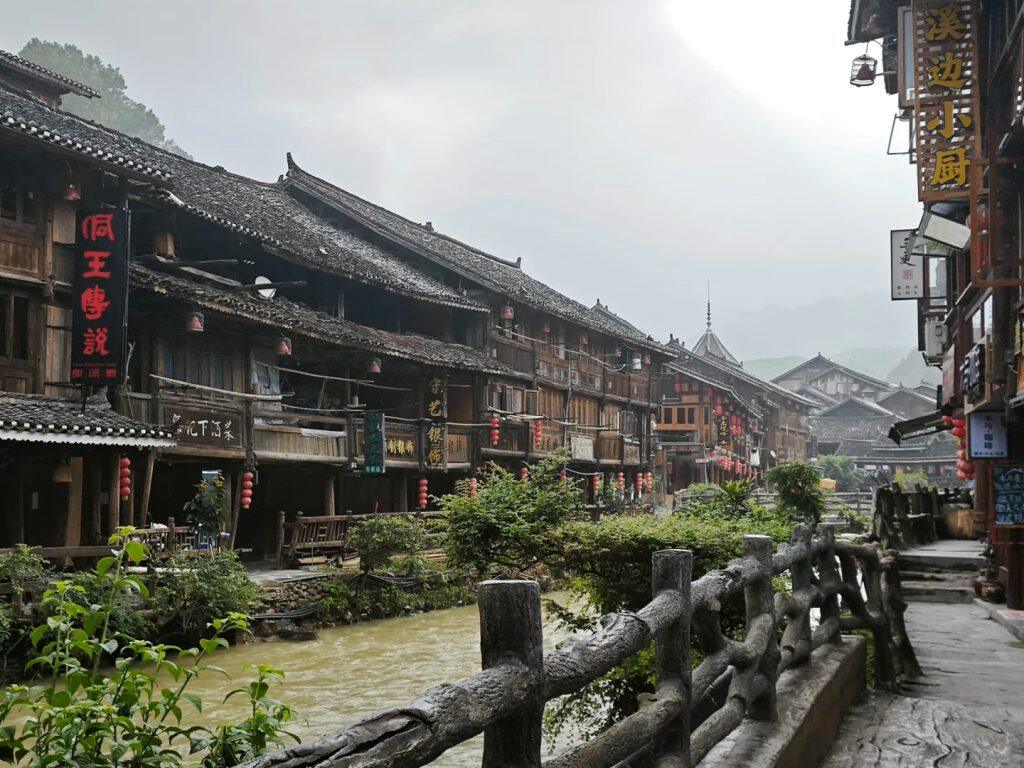
First, the authenticity is unmatched. Unlike some of China‘s more commercialized ethnic villages, Zhaoxing has retained its genuine local character. Wander into the back alleys, and you‘ll still find elderly women spinning yarn on wooden looms, men repairing fishing nets by the creek, and the smell of smoked meat drifting from stilted houses. The village is divided into five natural clusters — Ren, Yi, Li, Zhi, and Xin — each with its own drum tower and wind and rain bridge, representing the five major clans that have lived here for generations. This is not a theme park — it‘s a living village that has been here for over a thousand years.
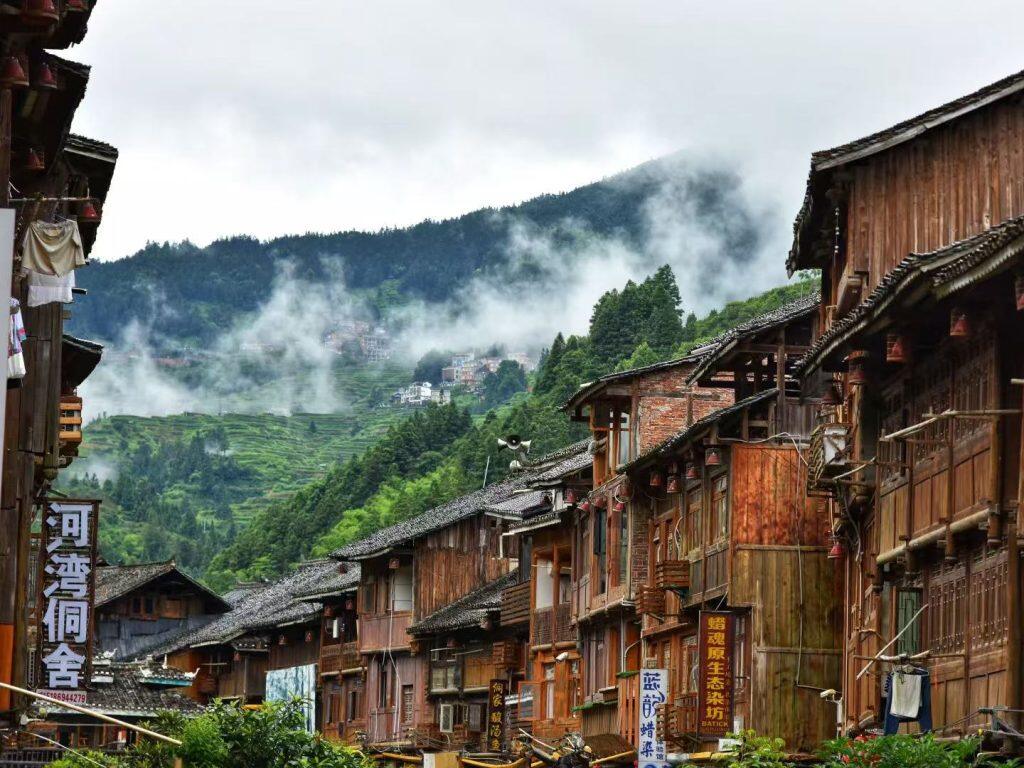
Second, the architecture is extraordinary. The five drum towers are masterpieces of traditional craftsmanship — built entirely from cedar wood using mortise and tenon joints, without a single nail. The wind and rain bridges that span the clear streams are equally impressive, their curved roofs and ornate carvings creating scenes that look like they belong in a classical Chinese painting. The stilted houses, with their blue-tiled roofs and wooden walls, climb the hillsides in layered harmony.
Third, the cultural heritage is world-class. The Dong people are famous for their Grand Song — a UNESCO-recognized intangible cultural heritage that features polyphonic, multi-part harmonies sung without conductor or accompaniment. The music has been described as “shining like spring water”, and hearing it echo through the drum towers at dusk is an experience that will send chills down your spine. The village also hosts four major festivals each year — Guyu Festival, June 6th, Yueye Grand Song Festival, and Dong New Year — each offering immersive experiences of traditional Dong culture.
I‘ve taken travelers from all over the world to this village, and the reaction is always the same: a quiet sense of awe, followed by a deep exhale. This place doesn‘t just show you beauty — it invites you to slow down, breathe deeply, and remember what truly matters.
🎟️ Tickets, Hours & Smart Booking for Zhaoxing Dong Village 2026
💰 Ticket Prices (2026 Update):
⏰ Opening Hours (2026):
- Scenic area: 24 hours, open year-round
- Drum tower lighting: 5:30 PM – 7:00 PM (most beautiful time)
- Performance times: Vary by season (see schedule below)
⚠️ Important 2026 Note:
- The ticket includes the shuttle bus from the visitor center into the village
- If you drive, navigate to “Zhaoxing Dong Village Tourist Service Center” — park there and take the shuttle bus
- Most homestays offer free pick-up and drop-off from Congjiang High-Speed Rail Station — check when booking
🚗 How to Get to Zhaoxing Dong Village 2026
🚄 By High-Speed Rail (Recommended – Easiest & Fastest):
This is by far the most convenient way to reach Zhaoxing.
- Take the high-speed train to Congjiang Station
- From Guiyang: about 1.5 hours
- From Guilin: about 40-45 minutes
- From Guangzhou: about 3.5 hours
- In 2026, there are 29 daily high-speed trains stopping at Congjiang
- After exiting the station, turn right to the bus station and take the scenic area shuttle bus — 10 RMB per person, 15 minutes directly to the village gate
- Last shuttle: approximately 7:00 PM — if you arrive later, contact your homestay for pick-up
🚗 Self-Driving:
- Navigate to “Zhaoxing Dong Village Tourist Service Center”
- Exit the highway at Congjiang East Station
- Parking: 20 RMB per day
- After parking, take the shuttle bus (10 RMB) into the village
✈️ By Air:
- Fly to Guiyang Longdongbao Airport or Guilin Liangjiang Airport
- From either airport, take the high-speed train to Congjiang Station
🚍 Within the Village:
- The village is compact and best explored on foot along the ancient bluestone paths
- Free shuttle buses run within the village with stops every 15 minutes
- Electric bike rentals available: approximately 30 RMB per day
🏯 The Main Attractions: What to See in Zhaoxing Dong Village 2026
🏛️ The Five Great Drum Towers – The Soul of the Village
The five drum towers are the heart and soul of Zhaoxing Dong Village. Named Ren, Yi, Li, Zhi, and Xin (仁、义、礼、智、信) — representing the five Confucian virtues — each tower belongs to one of the village‘s five clans. These magnificent structures are built entirely from cedar wood using mortise and tenon joints, without a single nail — a testament to the extraordinary craftsmanship of the Dong people.
What makes them special: Each drum tower has its own unique style and character. The Li Tuan Drum Tower is considered the most photogenic, with an ancient well and stone path at its entrance. The Ren Tuan Drum Tower sits beautifully by the creek, its lights reflecting on the water at night. The towers served as the political, social, and spiritual centers of each clan — where elders made decisions, festivals were celebrated, and the Grand Song was performed.
Pro tip: The drum towers are most beautiful at dusk when the lights come on (around 5:30-7:00 PM). The warm glow reflecting off the water creates scenes of pure magic. Take your time visiting each one — they are all within walking distance and touring all five takes about 1.5 hours.
🌉 Wind and Rain Bridges (Flower Bridges) – Covered Walkways of Community
The wind and rain bridges — also called flower bridges or fortune bridges — are the second of the Dong “three treasures”. Zhaoxing has five of these charming covered bridges, each paired with a drum tower. Built over the streams that run through the village, these bridges are not just functional — they are community spaces where villagers gather to chat, cool off in the summer, and watch the world go by.
What makes them special: The bridges are architectural marvels — all wood, no nails, pure mortise and tenon. They combine bridge, corridor, pavilion, and tower into one graceful structure. Standing on a wind and rain bridge at sunset, watching the drum tower lights flicker on and the stilted houses reflect in the water, you feel like you‘ve stepped into a classical Chinese painting.
Pro tip: The bridges offer the best vantage points for photography — frame the drum towers through the bridge‘s wooden pillars for a classic shot.
🎵 Dong Grand Song – The “Heavenly Sound” of the Dong People
The Dong Grand Song is the third of the Dong “three treasures” and one of the most extraordinary musical traditions in the world. This UNESCO-recognized intangible cultural heritage features polyphonic, multi-part harmonies sung without conductor, without accompaniment. The music has been described as “shining like spring water” — high voices as clear as mountain streams, low voices as deep as pine forests.
What makes it special: Hearing the Grand Song performed live in a drum tower is a genuinely transcendent experience. I‘ve watched grown adults burst into tears during performances — the harmonies are that powerful. The Dong people have been singing these songs for over a thousand years, passing them down through generations without written notation. The songs tell stories of love, nature, history, and daily life — the entire oral history of the Dong people is encoded in their music.
Performance schedule (2026):
- Village Gate Welcome: 10:00-10:30 AM & 4:00-4:30 PM daily — includes greeting songs and “blocking wine” ceremony
- Drum Tower Song Practice: 10:40-11:10 AM at Xin Tuan Drum Tower
- Free Dong Grand Song performance: 3:00 PM at Li Tuan Drum Tower (about 30 minutes)
- Evening performance: 7:30-8:30 PM in the drum towers — the most atmospheric time
- Bonfire performance: 8:00-9:00 PM
- Private sessions available: 100 RMB per person per hour with professional instruction
Pro tip: The evening performances are the most magical — the warm glow of the drum tower, the voices echoing through the wooden structure, and the darkness of the mountains beyond. Don‘t miss it.
🏘️ Ancient Streets and Streams – The Heartbeat of Village Life
The village is crisscrossed by clear streams and ancient bluestone paths that wind between the stilted houses. This is where the everyday life of the village unfolds — elderly women weaving cloth, men repairing fishing nets, children playing by the water.
What makes it special: The early morning (before 7 AM) is the most magical time — the streets are empty, the mist rises off the water, and you can hear nothing but the sound of birds and the gentle flow of the stream. This is when the village feels most authentic, most ancient, most alive.
Pro tip: Get lost in the back alleys — the main street is busy during the day, but the real charm of Zhaoxing is hidden in its quieter corners.
🎨 Intangible Cultural Heritage Workshops – Hands-On Experiences
Zhaoxing offers some of the best hands-on cultural experiences in China. Several shops in the village offer tie-dye and wax-dye workshops where you can create your own indigo-dyed clothing.
What makes it special: The wax-dyeing process is fascinating — you draw patterns on white fabric with a wax knife (templates are available for beginners), then dip it in the indigo dye vat. The wax resists the dye, creating beautiful blue-and-white patterns. The whole process takes about two hours. For a quicker option, try tie-dye, which takes about 30 minutes.
Pro tip: Wax-dyed items need to dry overnight — if you‘re leaving the next day, ask the shop to mail it to you. The cost is approximately 128 RMB to make a dress using both techniques, or 30-60 RMB to bring your own clothes for dyeing.
🌾 Tang‘an Terraced Fields – The Perfect Day Trip
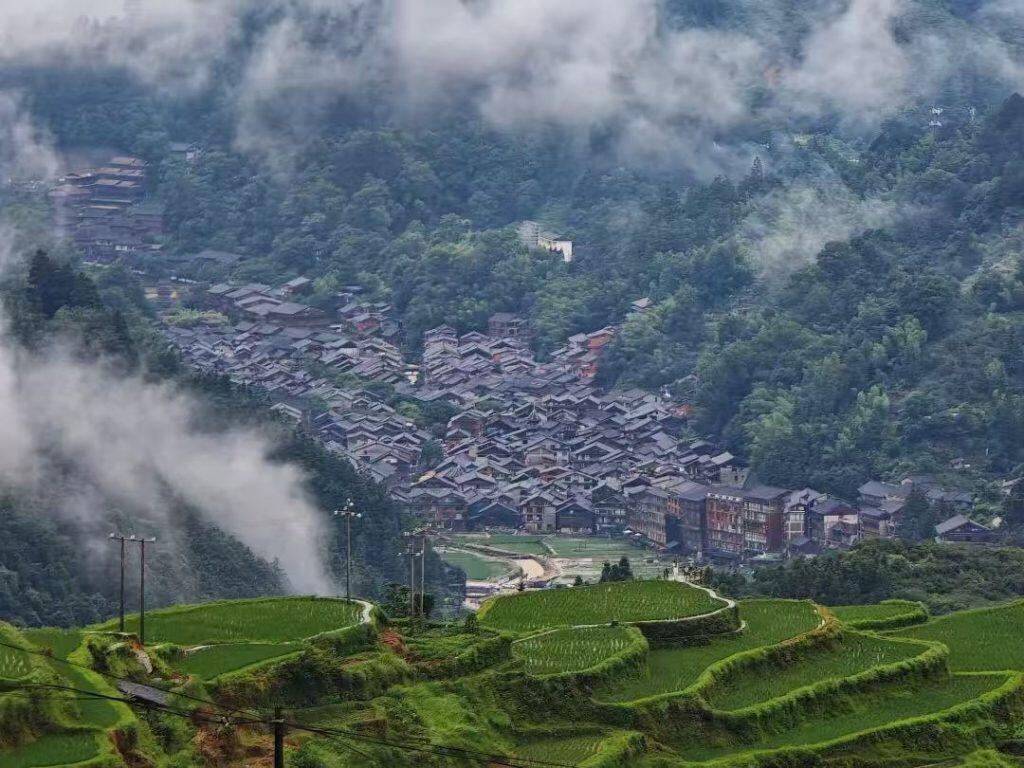
Just 7 kilometers from Zhaoxing lies the stunning Tang‘an Terraced Fields — a must-see addition to any Zhaoxing visit. These ancient rice terraces cascade down the mountainside in layers, creating one of the most spectacular agricultural landscapes in China.
How to get there: Take the minibus from the village end — 20 RMB round trip, about 30 minutes. For the more adventurous, there‘s a 1.5-hour hiking trail that‘s been called one of the “most beautiful rural routes in China”.
Best time to visit: April-May for the “mirror” effect when the terraces are flooded; September-October for the golden rice harvest; sunset for the golden light spilling across the paddies.
Pro tip: The drive up is already spectacular — sit on the right side of the bus for the best views. The terraces are even more stunning at sunrise and sunset.
💡 Local Expert Tips for Zhaoxing Dong Village 2026
- Walk, don’t rush — Zhaoxing is a place for slow travel. Put away the schedule and let the village reveal itself
- Visit in the early morning — before 7 AM, the streets are empty and the village feels truly ancient
- Stay overnight — the night views of the drum towers and stilted houses are pure magic
- Dress in layers — mountain weather is unpredictable; mornings and evenings are cool even in summer
- Bring insect repellent — the mountain streams attract mosquitoes
- Wear comfortable shoes — the bluestone paths are uneven
- Bring cash — some small vendors and workshops don‘t accept cards
- The best seasons are April-May (mirror terraces, comfortable weather) and September-October (golden rice harvest, crisp air)
- Photography tip: Early morning mist, drum tower lights at dusk, and the wind and rain bridges at golden hour
- Respect local customs — ask permission before photographing people, especially during ceremonies
- Check festival dates — Guyu Festival (April), June 6th (July), and Dong New Year (November) offer unique cultural experiences
- Guangdong residents: bring your ID — you get free admission all year
❓ FAQ – Zhaoxing Dong Village Trip 2026
Q: Is Zhaoxing Dong Village worth visiting if I‘ve already been to other ethnic villages in China?
A: Absolutely — and I say this as someone who has brought hundreds of visitors here. While other ethnic villages have become increasingly commercialized, Zhaoxing has retained its authentic local character remarkably well. The five drum towers are architectural masterpieces — built entirely without nails using ancient mortise and tenon techniques. The Dong Grand Song is genuinely one of the most extraordinary musical experiences I‘ve ever witnessed — polyphonic harmonies that will send chills down your spine. And the village itself is a living community, not a theme park. I‘ve had many guests tell me they preferred Zhaoxing to more famous ethnic villages because of its authenticity and peaceful atmosphere. It‘s a place that rewards slow travel — the longer you stay, the more it reveals.
Q: How many days should I spend in Zhaoxing Dong Village?
A: I recommend two full days as a minimum, and three days if you really want to immerse yourself. With two days, you can explore the five drum towers and wind and rain bridges, visit Tang‘an Terraced Fields, attend a Dong Grand Song performance, and try a wax-dyeing workshop — a perfect balance of culture, nature, and hands-on experience. With three days, you can add a slow morning walk before the crowds arrive, visit the Dong Culture Exhibition Center, try rice field fish catching, and simply sit by the creek and watch village life unfold. Remember: Zhaoxing is not for rushing. The magic of this place comes from slowing down and letting the village work its charm on you.
Q: What‘s the best time of year to visit Zhaoxing Dong Village?
A: This depends on what you want to experience. For the most spectacular terraced fields, visit in April-May when the paddies are flooded and create mirror-like reflections, or September-October when the rice turns golden. For comfortable weather, spring and autumn are ideal with mild temperatures. For cultural festivals, plan around Guyu Festival (mid-April), June 6th (July), or Dong New Year (November). For summer escape, July and August offer cool mountain temperatures — 28°C during the day and dropping to 22°C at night. Honestly, there‘s no bad time to visit Zhaoxing — each season offers its own unique beauty.
Q: Is Zhaoxing Dong Village suitable for families with children?
A: Yes — and it‘s one of the best family-friendly destinations in Guizhou. Children will love the rice field fish catching experience, the hands-on wax-dyeing workshops, and the stilted house accommodations that feel like an adventure. The village is safe, walkable, and not overly crowded. The Dong Grand Song performances are mesmerizing for all ages. Tang‘an Terraced Fields offer easy hiking with stunning views. Many families tell me their children learned more about Chinese minority culture in two days in Zhaoxing than in weeks of museum visits. Just bring insect repellent and comfortable walking shoes.
Zhaoxing Dong Village is more than just a tourist destination — it is a place of healing, of slowing down, of reconnecting with what truly matters. For over a thousand years, this village has watched dynasties rise and fall, wars come and go, and the world change beyond recognition. Yet here, the drum towers still stand, the Grand Song still echoes through the wooden halls, and the streams still flow as they always have. There is a profound peace in that continuity — a reminder that some things are worth preserving.
I have watched travelers arrive in Zhaoxing stressed and exhausted from the chaos of modern life, and I have watched them leave with peace in their eyes and a smile on their face. The Dong people call this village a “place on the edge of time” — and I think that‘s exactly right. Time moves differently here. The morning mist, the sound of the stream, the warmth of the drum tower lights — these are the things that stay with you long after you leave.
I sincerely invite you to come to Guizhou and experience Zhaoxing Dong Village in 2026. Walk the ancient bluestone paths, listen to the Grand Song echo through the drum towers, watch the sunset paint the terraced fields in shades of gold, and let the timeless rhythm of this ancient village remind you of the beauty of slow, intentional living. This is a place that will change you — I promise you that.
If you need any local advice — where to find the best sour soup fish, how to book a wax-dyeing workshop, or which homestay offers the best view of the drum tower lights — just ask. I am always happy to share my home with you. Safe travels, and I hope to see you in Zhaoxing.

Mike Wang
Mike Wang is a 40-something Chinese travel expert, has explored the world,
hosting numerous foreign visitors. He’s deeply interested in and knowledgeable
about ancient cultural architectures, enriching journeys with his insights.
Essential China Attractions
Zhangjiajie Travel Guide 2026: Complete Guide to China’s Most Spectacular Natural Wonder
Jiuzhaigou Travel Guide 2026: Complete Guide to China’s Fairyland
Huangshan Travel Guide 2026: Yellow Mountain Complete Guide
Yangshuo Guangxi 2026 | Karst Mountains & Li River Paradise
Potala Palace Travel Guide 2026: Lhasa’s Iconic Tibet Landmark & Top Attractions
Suzhou Classical Gardens 2026 | UNESCO World Heritage Guide
Dunhuang Mogao Caves Travel Guide 2026: Complete Visitor’s Manual
Zhangye Danxia Travel Guide 2026 | China’s Rainbow Hills
Lijiang Ancient Town 2026 | UNESCO Naxi Cultural Gem Guide
Qinghai Lake Travel Guide 2026: China’s Largest Salt Lake – Complete Local Tips
Xishuangbanna Travel Guide 2026 | Borderland Tropical Paradise China Summer Escape Pick
2026 Wuzhen Trip – East & West Gate Iconic Yangtze Delta China Attraction
2026 Shaolin Temple Trip – World-Famous Zen Temple Top China Attraction
Hukou Waterfall Travel Guide 2026 | Yellow River’s Grand Roaring Falls Guide
Changbai Mountain Tianchi Travel Guide2026 | China’s Volcanic Alpine Lake Guide
Danxiashan Travel Guide 2026 | China’s Colorful Danxia Landform Gem Guide
Fujian Tulou Travel Guide 2026 | UNESCO Ancient Hakka Earthen Building Guide
Popular City Travel Guides
Beijing Travel Guide Shanghai Travel Guide Hangzhou Travel Guide Sanya Travel Guide Chongqing Travel Guide
Nanjing Travel Guide Guangzhou Travel Guide ChengduTravel Guide Hongkong Travel Guide Xi’an Travel Guide